|
Keeping you informed about community-led research - for a more inclusive and equitable Aotearoa.
|
|
|
|
|
|
Nau mai haere mai
Whakatairangatia i te mana o te rangahau ā-hāpori me te mahi tahi
Upholding the mana of community knowledge - together |
|
|
|
Kia ora e te whānau,
As we begin 2026, we’re feeling energised by the year ahead. There is much to look forward to, with new projects, collaborations, and opportunities already taking shape. At the same time, we remain conscious of the ongoing challenges facing Te Tiriti, equity, and inclusion — challenges that require collective effort, care, and commitment.
February brings Waitangi Day, a significant moment to reflect on Te Tiriti o Waitangi as the foundation for relationships in Aotearoa. It is a time to remember the promises made, to acknowledge where those commitments have not been upheld, and to recommit to honouring Te Tiriti in practice — from our policy frameworks through to our everyday mahi.
For us, Te Tiriti is inseparable from our work to strengthen community-led research and uplift diverse voices. Waitangi Day this year is particularly significant as it marks 10 years since the release of the Matike Mai Report. In honour of this milestone, our Matike Mai resource hub was launched on 6 February.
2026 is also the International Year of the Volunteer, a timely opportunity to recognise the vital role volunteers play in strengthening communities across Aotearoa. Our friends at Tūao Aotearoa | Volunteering NZ have a range of exciting initiatives planned throughout the year, and we look forward to sharing and supporting this mahi.
In this first Ngā kete of the year, we share updates on what’s ahead and the ways we’re continuing to support communities to lead change in an uncertain, yet hopeful, time.
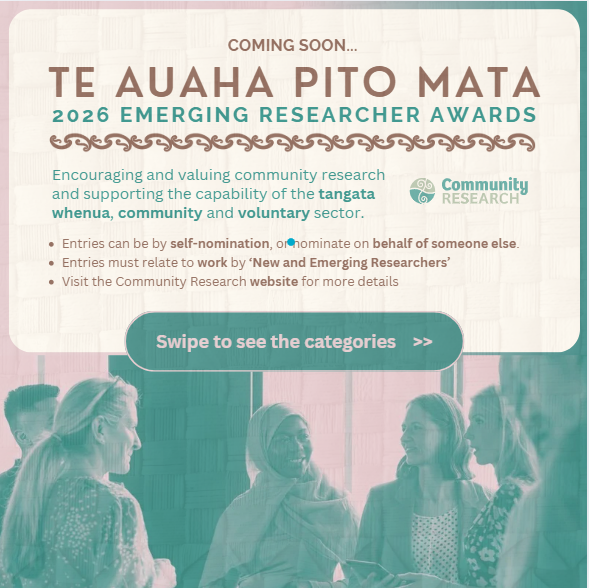
A reminder that Te Auaha Pito Mata Awards nominations are now open. This is an opportunity to recognise emerging researchers whose work strengthens community-led knowledge and uplifts diverse voices — we’d love your help to share this nomination opportunity with your networks.
Ngā mihi
Lorna |
|
|
|
| | Nominations are now being accepted for emerging researchers whose work uplifts communities and strengthens knowledge for positive change. There are four awards categories researchers can be nominated for:
- Tangata Whenua community researcher (for Māori researchers)
- Ethnic community researcher (for Ethnic researchers)
- Pasifika community researcher (for Pasifika researchers)
- Community researcher/evaluator
Plus the ‘Billie Award’ that is bestowed in recognition of strengths based research or evaluation.
These Awards provide an opportunity to celebrate the impact of early career researchers and their research projects, community research and diverse ways of knowing. |
|
|
|
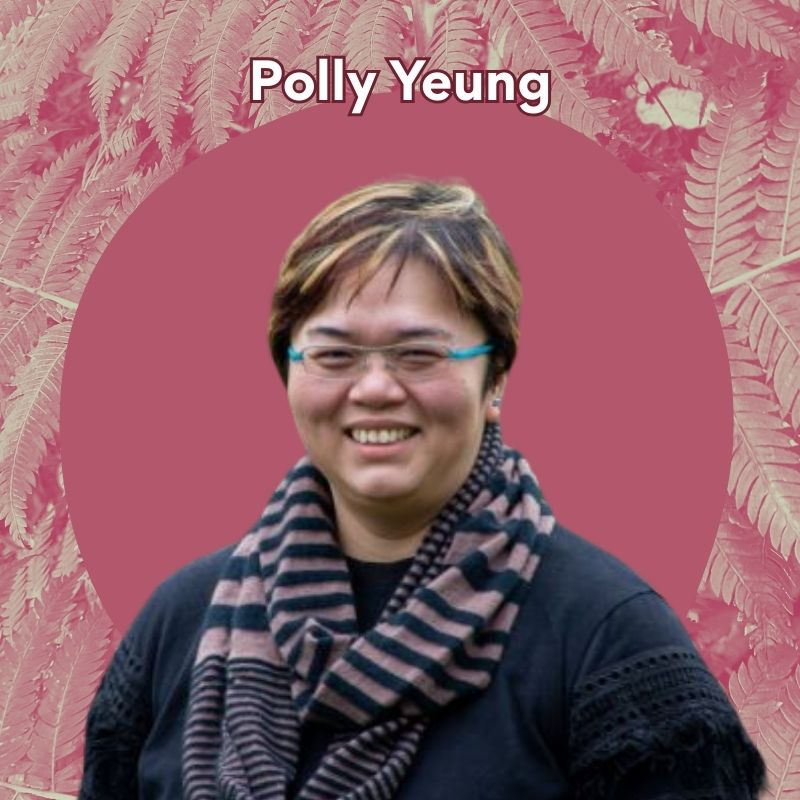
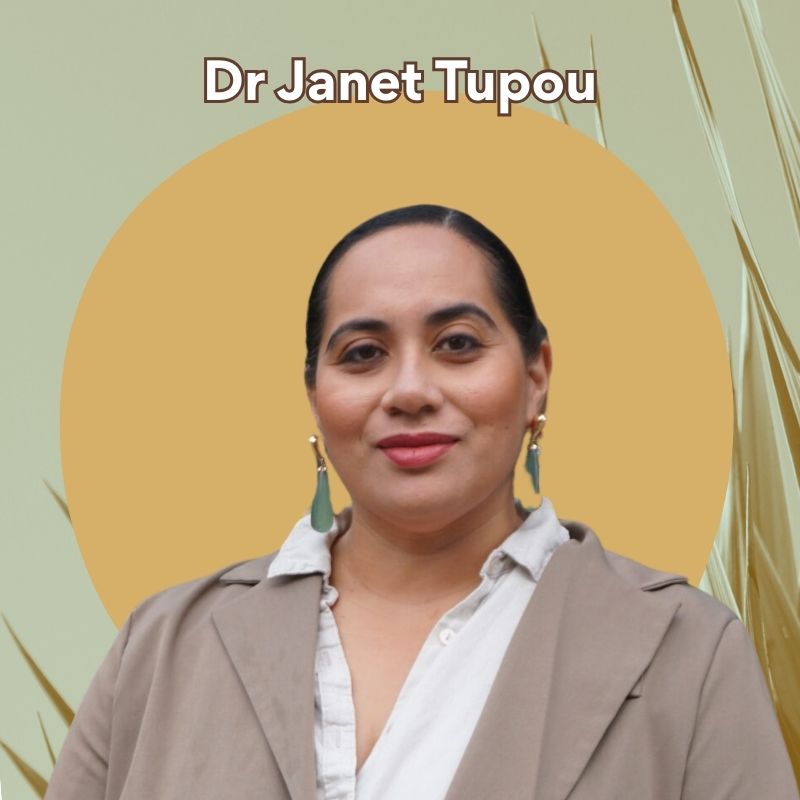
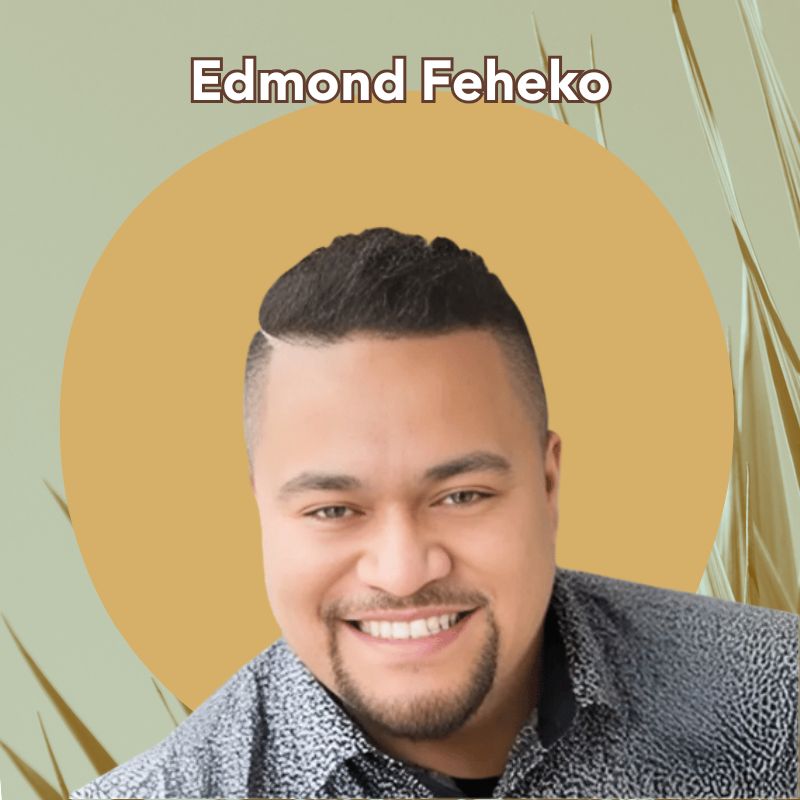
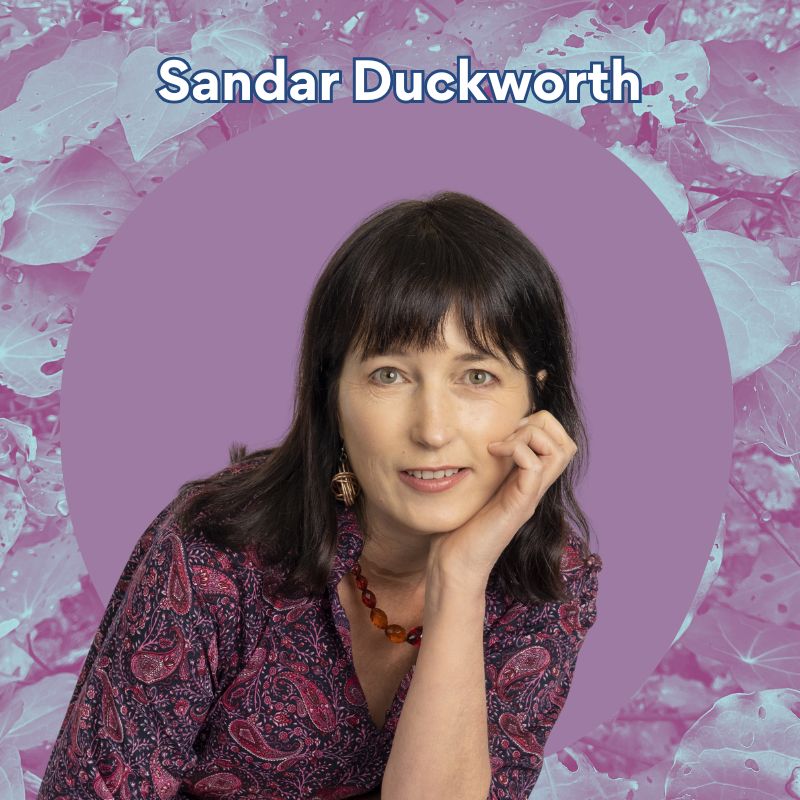
Te Auaha Pito Mata Awards 2026 - announcing our Guest Judges
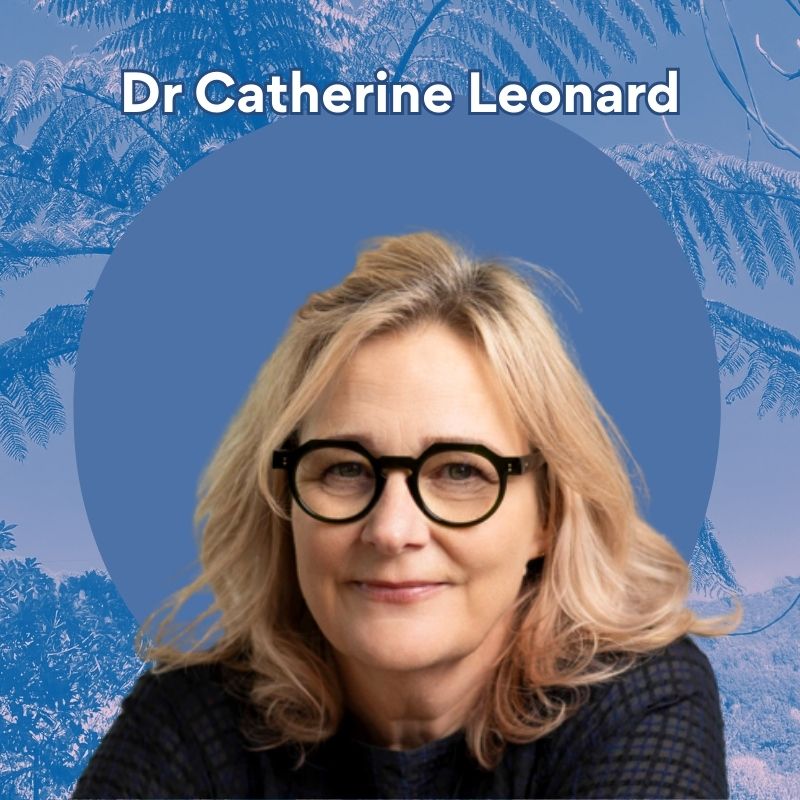
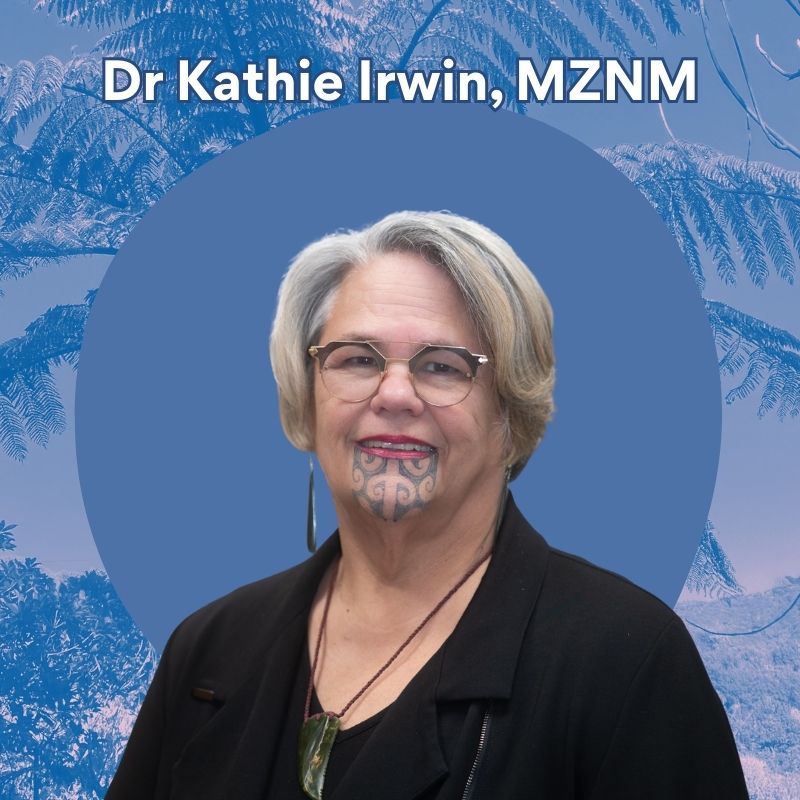
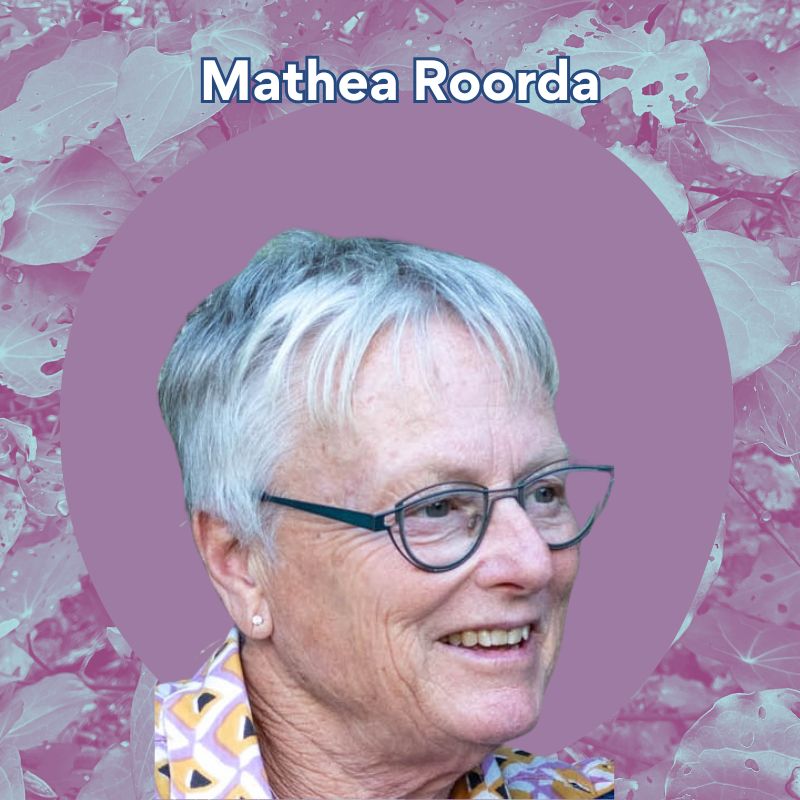
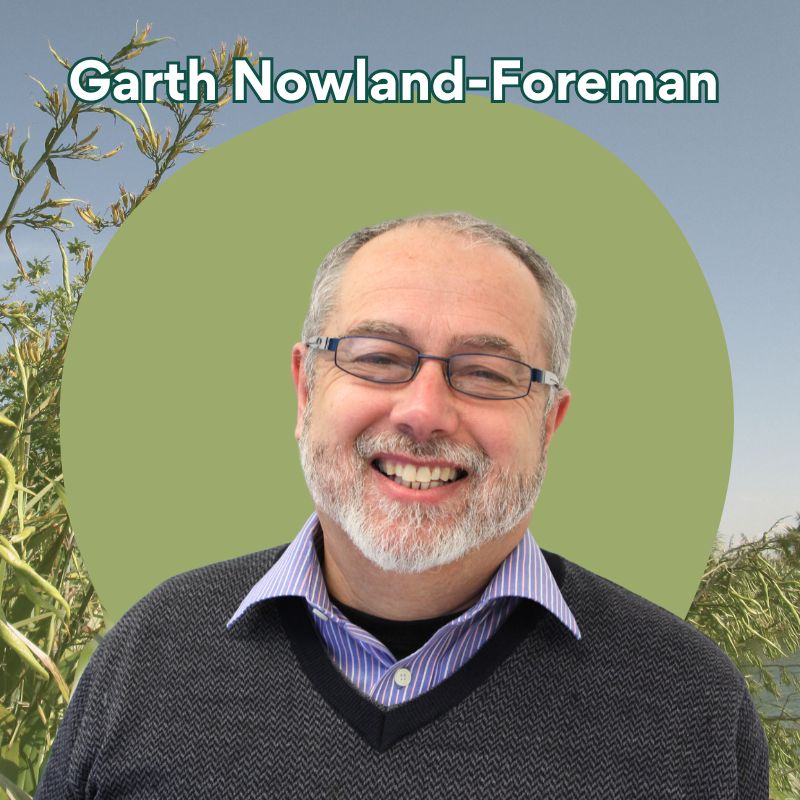
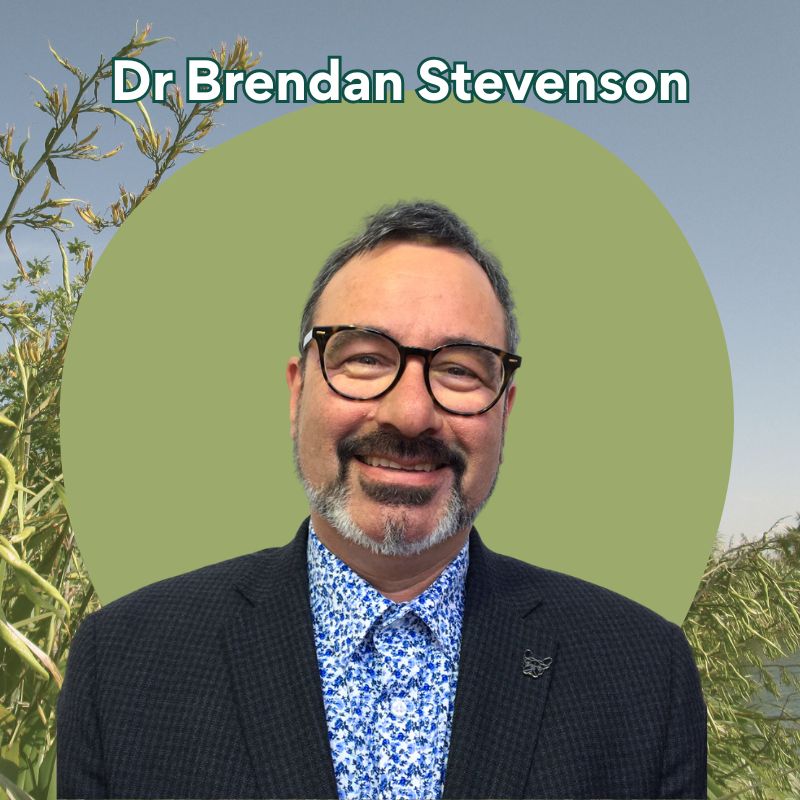
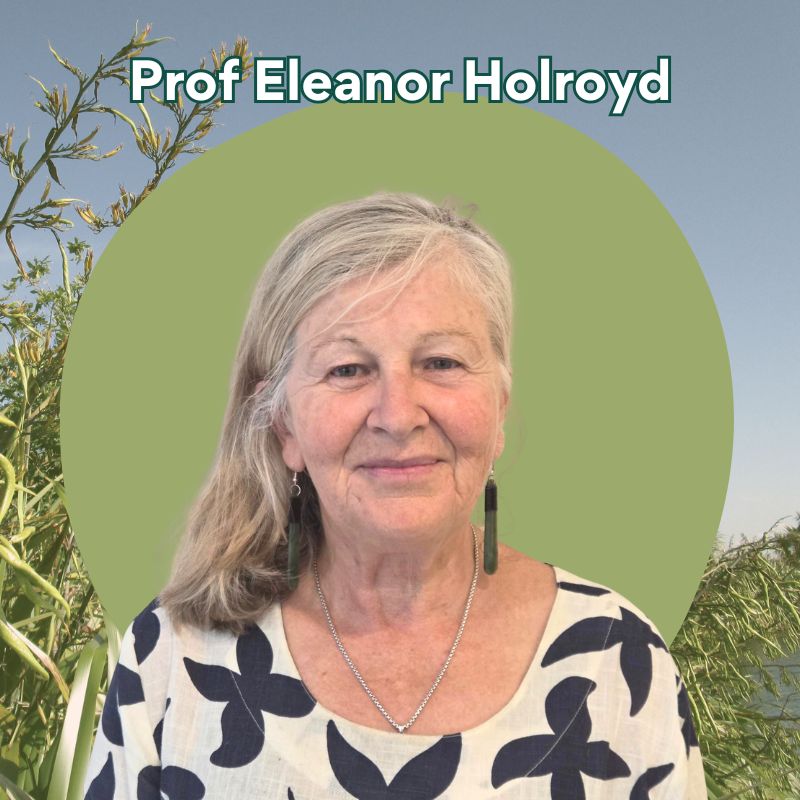
Community Research is honoured to have such an amazing cohort of guest judges joining us for these awards.
We’re grateful to each of our judges for offering their time, expertise, and whakaaro to support and uplift emerging researchers across Aotearoa. |
|
|
|
Guest Judges - Tangata Whenua Community Researcher Award |
|
|
|
Guest Judges - Ethnic Community Research Award |
|
|
|
Guest Judges - Pasifika Community Research Award |
|
|
|
Guest Judges - Community Researcher / Evaluator Award |
|
|
|
Guest Judges - The Billie Award for a strengths based approach |
|
|
|
Watch this space... Te Tiriti o Waitangi and ethnically diverse Tangata Tiriti
Over the past year, Community Research has grown its content regarding ethnically diverse communities and Te Tiriti o Waitangi, sense of belonging, and whanaungatanga with Māori as Tangata whenua. These activities have been well received with feedback expressing the need for ongoing initiatives. Thank you to everyone who has been involved or engaged with us in this vital space.
As we journey into 2026, we have begun to develop a forward-looking Ethnically diverse Tangata Tiriti programme. Our aim is for an evolving programme of work that is strategic, inclusive, and provides opportunities for collaboration. Our initial framing espouses:
- a common kaupapa as ethnically diverse diaspora-based communities who call Aotearoa home
- recognising and respecting the different historical contexts and journeys within and across ethnically diverse communities as essential reference points for where we stand
- adopting a strengths-based and constructive approach.
We're excited about the coming year and updating you as the planning comes together.
Ngā mihi nui Bev and Eve |
|
|
|
| Modernising the census
Our submission to Stats NZ in response to consultation about Modernising the Census and meeting the needs of ethnically diverse communities.
Thanks to everyone who participated in the awheawhe/workshop and activities to develop a group submission for co-signatures and as a resource for people to draw from to help develop their own submissions. We submitted our group submission focusing on the needs of ethnically diverse communities on the due date of 19 December last year with both individuals and community organisation co-signatures. The level of interest and participation has prompted us to consider running further activities of this nature in the future. |
|
|
|
| |
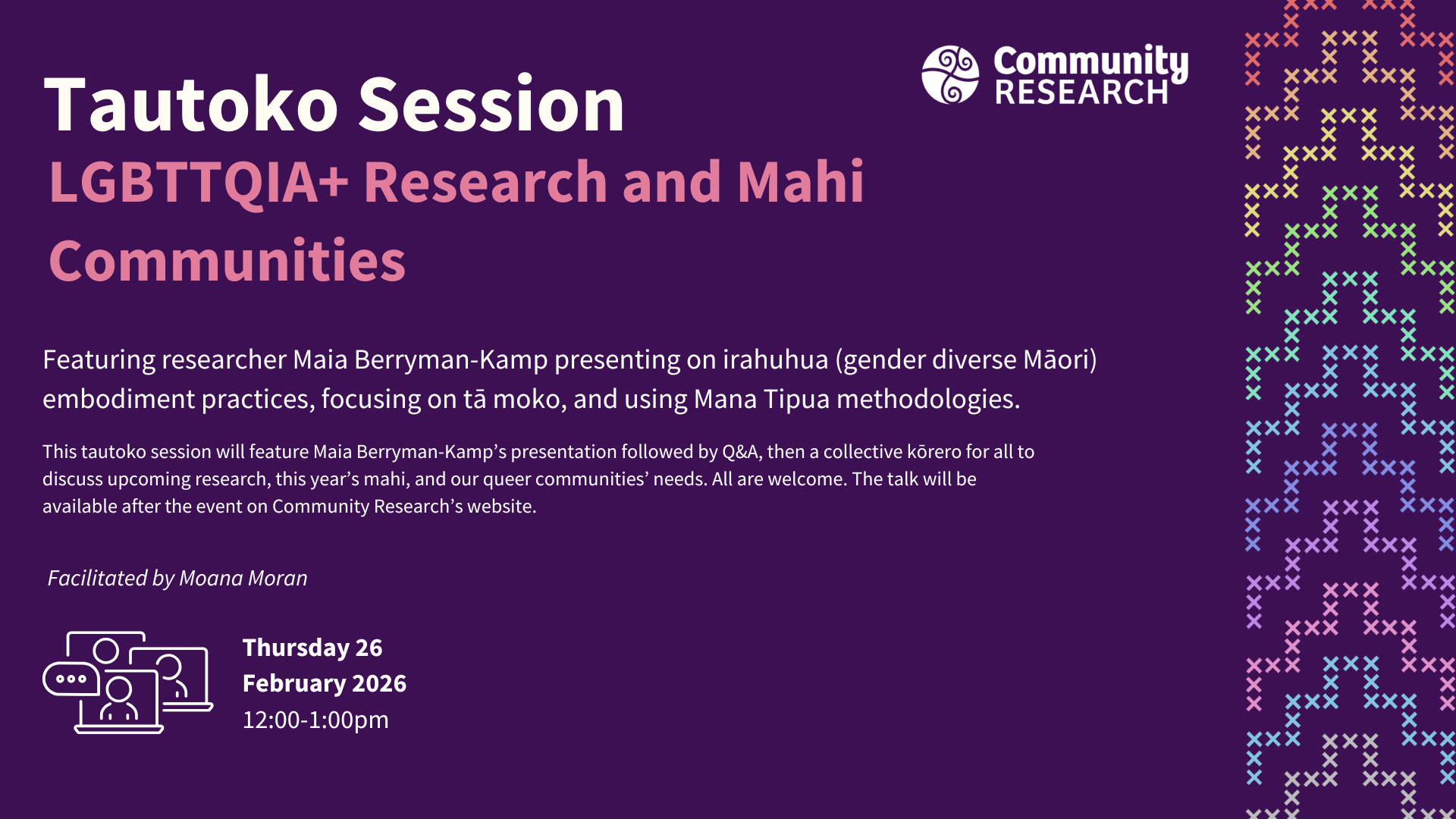
Tautoko Session - LGBTTQIA+ Research and Mahi Communities
When: Thursday 26 February
Time: 12 - 1pm
Register here
We warmly invite queer researchers, allies, and those working in areas which support queer communities to join us for the first LGBTTQIA+ Tautoko session of 2026.
This session will feature Maia Berryman-Kamp giving a talk on her research - which looks into irahuhua (gender diverse Māori) embodiment practices, focusing on tā moko, and on using Mana Tipua methodologies. Including time for Q&A. We will then have space for a collective kōrero for all attending to discuss upcoming or recently published research, this year’s goals and mahi for orgs, and our queer communities’ needs - including some updates on Community Research's Queerness in Aotearoa research collection project. All are welcome.
If you can't make it, Maia's talk will be available after the event on Community Research’s website.
Sign up to attend here.
|
|
|
|
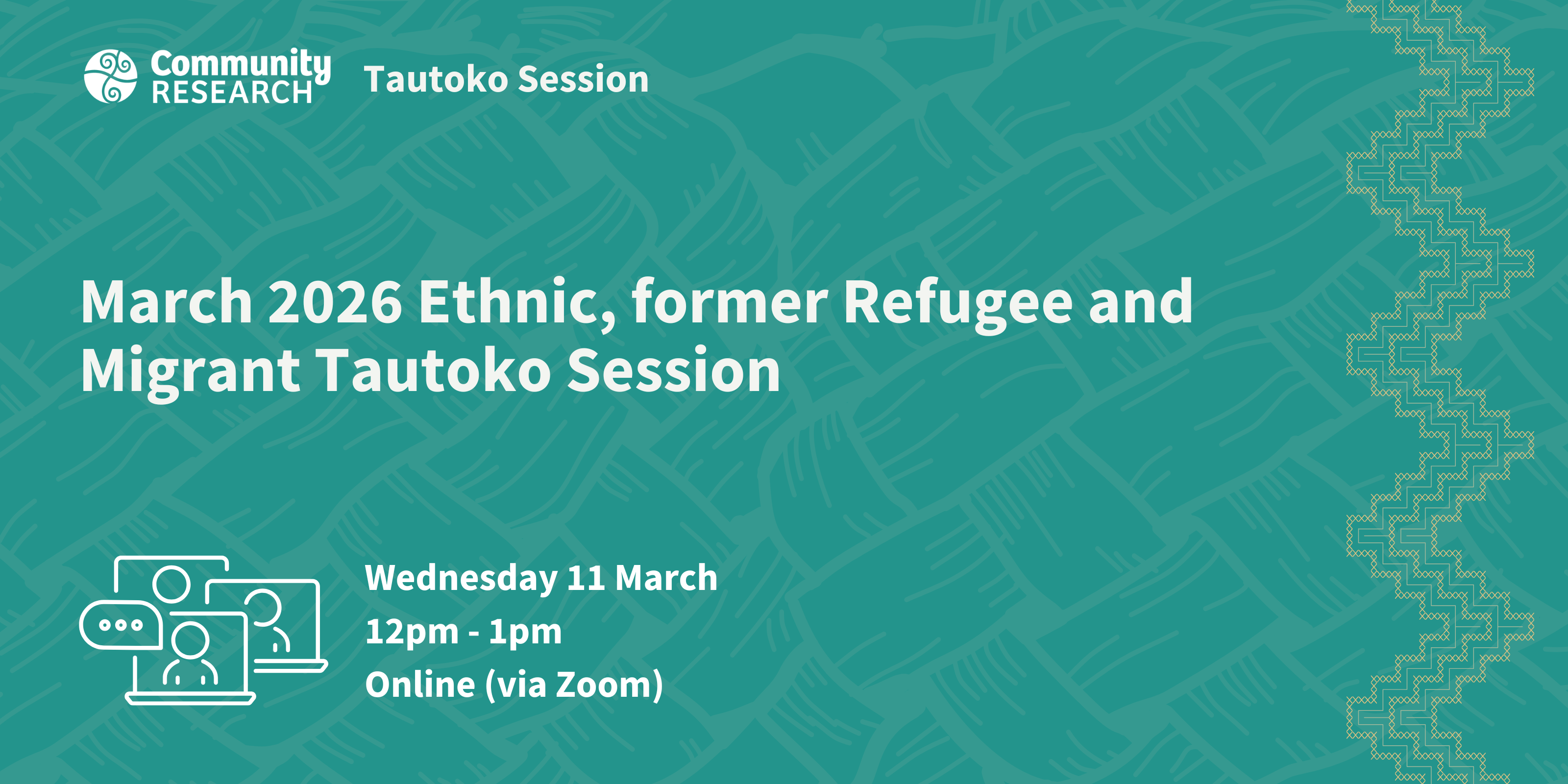
| | Ethnic, former Refugee and Migrant (EfRM) researcher Tautoko session
When: Wednesday 11 March,
Time: 12 - 1pm
Register here
Join us for our first Tautoko session for 2026 and connect with other researchers, former refugees, and migrant peers who are passionate about research with, by and for ethnically diverse communities.This session will have time for:
- making connections and informal kōrero
- discussing draft ideas for stronger Tautoko Network branding, visibility, and promotion to increase our reach
- exploring ideas raised through the Nov 2025 review such as local area meet-ups, and how we can share news and updates within the Network.
Tautoko sessions are held two-monthly with attendance open to both Network and non-Network researchers and allies. They provide a dynamic informal unrecorded space that fosters a collective sense of shared purpose. We celebrate all forms of community-led knowledge-making, whether it’s community-based mahi and mātauranga, or based within organisations, the public service, or academia.
We are excited by the feedback we received and look forward to evolving this space together in 2026!
Bev and Eve |
|
|
|
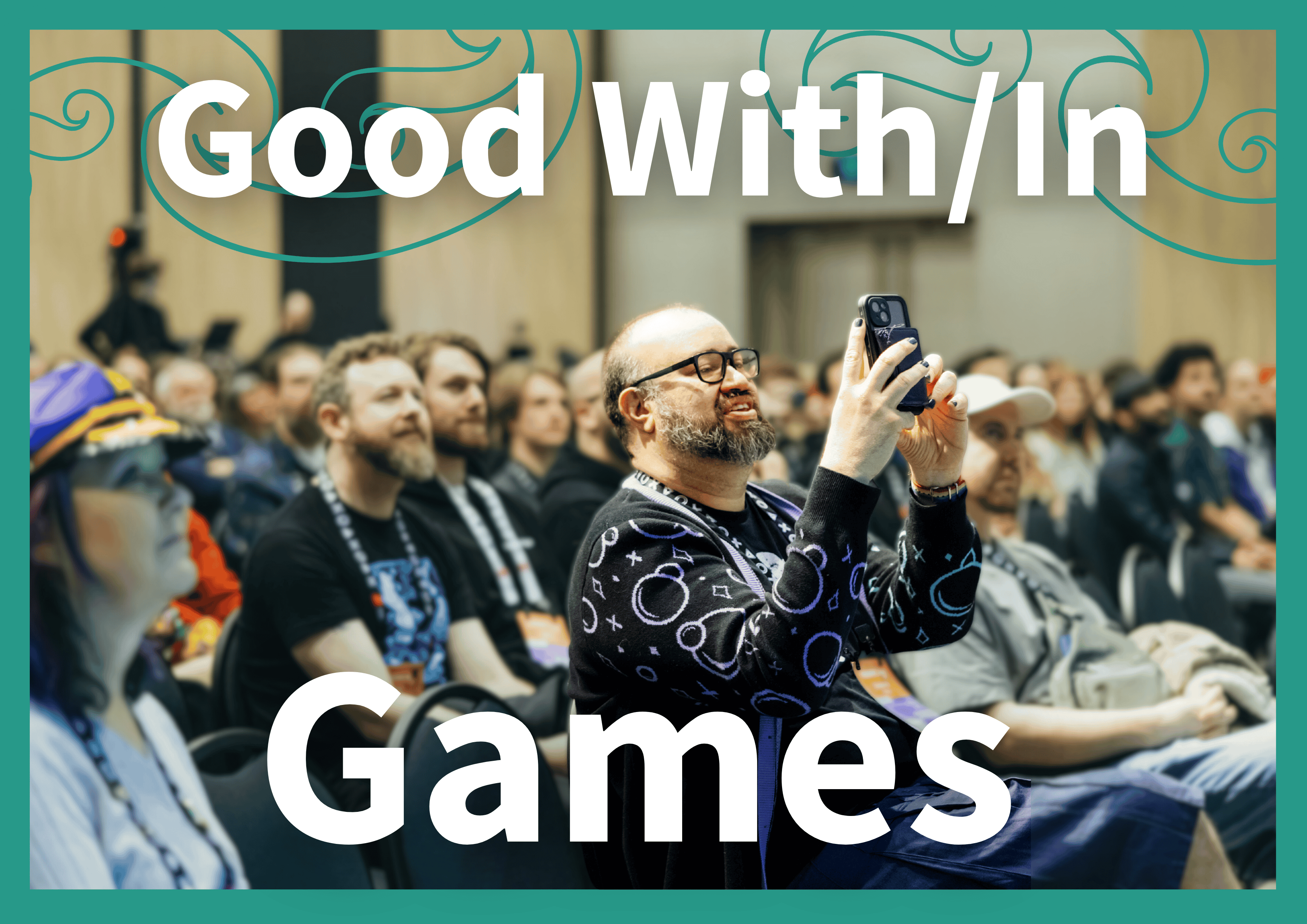
| New Special Collection - Good With/In Games
In collaboration with the New Zealand Game Developers Association, we're releasing a new special collection, featuring talks from the New Zealand Game Developers Conference which have a message of social good.
Games have a powerful influence on society, and creators can use them to foster a more inclusive and positive world. In Aotearoa New Zealand, our game development community has a notable number of developers, researchers, students, and players who are pursuing these goals.
In line with Community Research's vision for a more equitable, engaged and inclusive Aotearoa informed by community knowledge - Community Research and the NZGDA are partnering to make the conference's talks which fall in the space of social good, equity, wellbeing, and diversity available year-round on Community Research's website. Find the 2023 and 2024 videos on our new page, 'Good With/In Games', and keep an eye out for 2025's videos soon.
Add Your Research
Are you a games researcher? We're looking for other research such as journal articles, theses, podcasts, etc, to add to this collection. If you have research that fits within this collection's ethos, consider uploading it to our archive. |
|
|
|
| | A critical Tiriti analysis of New Zealand Cancer Control Strategy
Heather Came, Jacquie Kidd and Teresa Goza
Te Tiriti o Waitangi is foundational to health policy in Aotearoa (New Zealand). Systemic breaches of te Tiriti have contributed to enduring health inequities between Māori (the indigenous peoples of New Zealand) and other New Zealanders. There are significant inequities in cancer morbidity and mortality rates between Māori and non-Māori. With the development of a new Cancer Control Strategy underway in Aotearoa it is timely to critically review the current Strategy with a view to strengthen efforts to minimise the harm of cancer through stronger alignment to te Tiriti responsibilities.
Within this paper the authors undertake a critical Tiriti analysis of the current New Zealand Cancer Control Strategy. This process involves interrogating the policy against the preamble, and the articles of the Māori text of te Tiriti; focussing on kāwanatanga (governance), tino Rangatiratanga (sovereignty), ōritetanga (equity) and wairuatanga (spirituality).
|
|
|
|
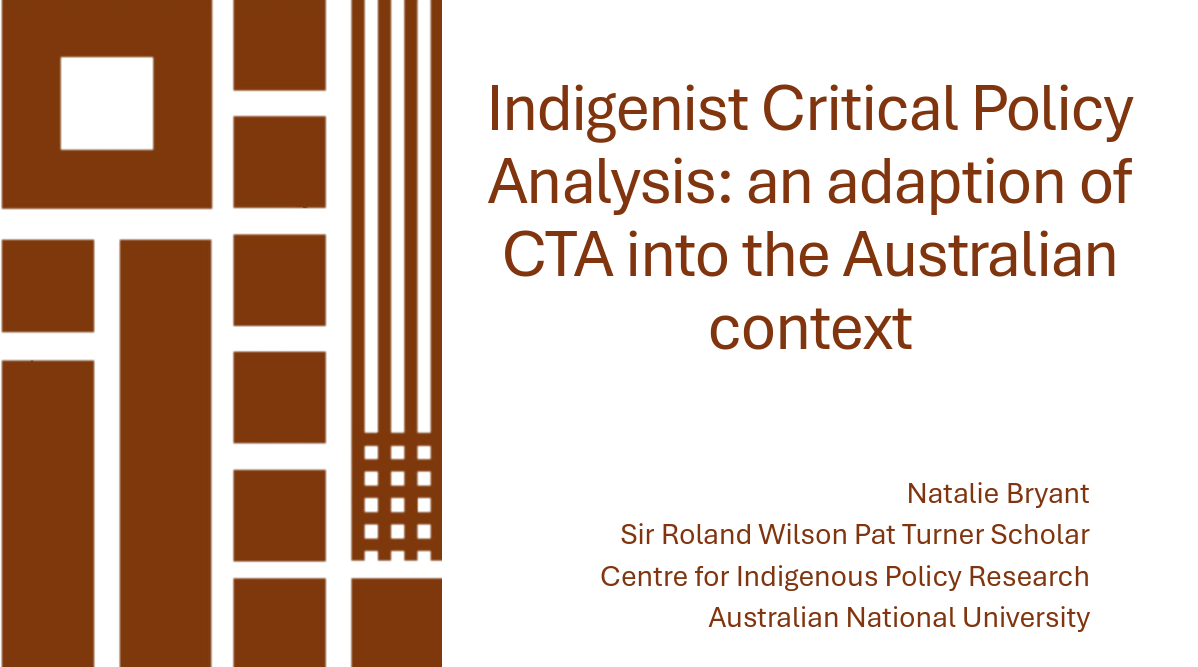
| | Indigenist Critical Policy Analysis: an adaption of CTA into the Australian context - recorded presentation
Natalie Bryant
Indigenist Critical Policy Analysis (ICPA) is an evaluative framework designed to assess whether policies, programs, and processes meaningfully engage with Indigenous perspectives, particularly within the socio-political context of post-colonizing Australia.Developed from the principles of Indigenist Research Methodology and adapted from the Critical Tiriti Analysis (CTA) framework in Aotearoa, ICPA is tailored for the Australian context. It critically examines how institutional structures and governmental systems may undermine Indigenous health and wellbeing. Grounded in the United Nations Declaration on the Rights of Indigenous Peoples (UNDRIP), ICPA uses a five-phase approach to evaluate policy artefacts and actors’ narratives against UNDRIP’s key principles, ensuring the protection and respect of Indigenous rights.
View the presentation here |
|
|
|
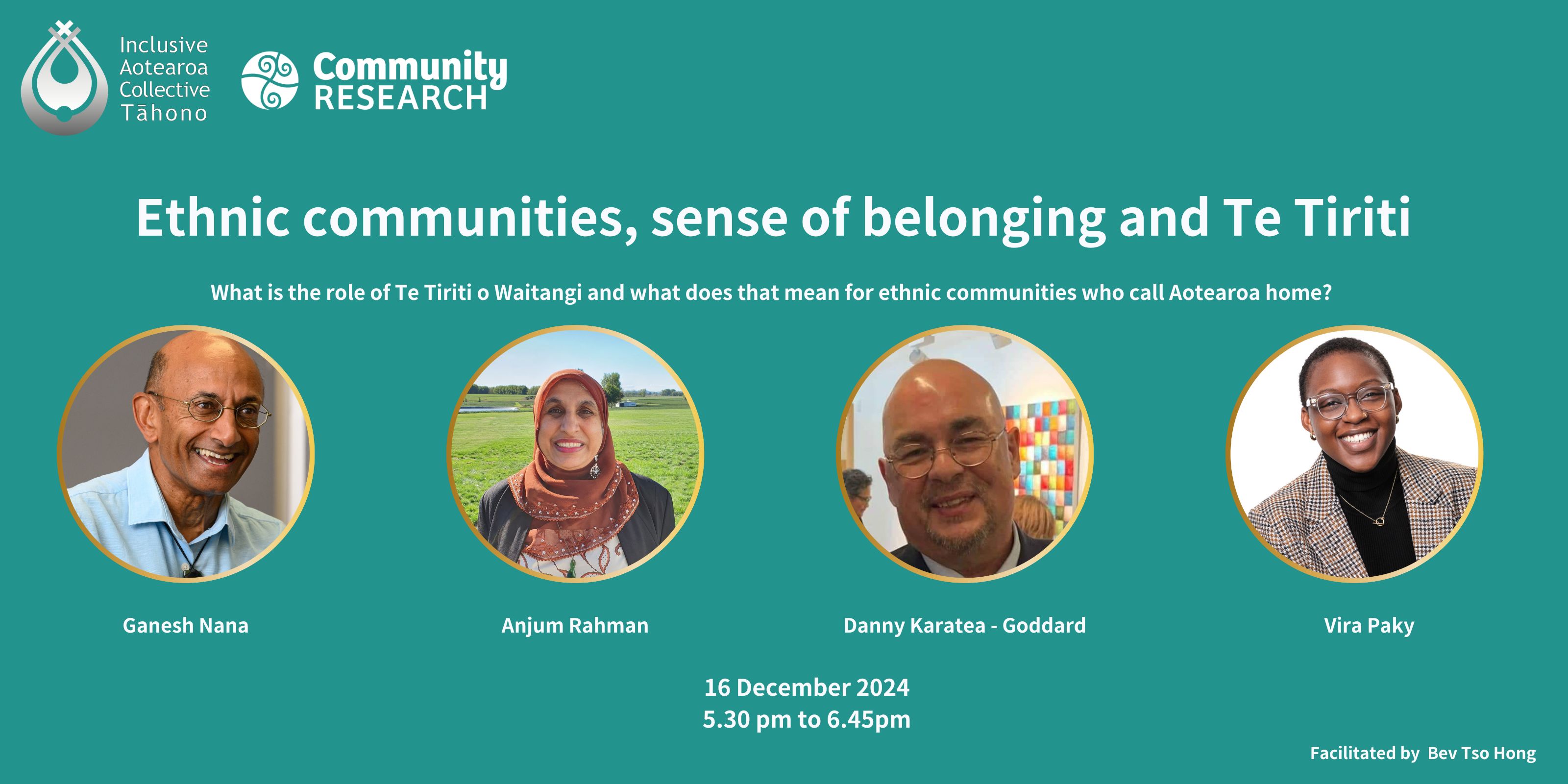
| | Ethnic Communities, sense of belonging and Te Tiriti
Co-hosted with Inclusive Aotearoa Collective (now Tāhono Trust) in December 2024, this webinar remains as relevant today as when it was first delivered.
The panel explores the role of Te Tiriti o Waitangi in shaping belonging in Aotearoa, and what this means for ethnic communities who call this place home — offering timely insights for an ongoing and evolving conversation. View the webinar here |
|
|
|
| The Emergency Management Bill 2026
In 2023, the Minister for Emergency Management established a Government Inquiry into the response to the North Island severe weather events. The Inquiry concluded that Aotearoa New Zealand’s emergency management system was not fit for purpose, lacking the capacity and coordination required to respond to large-scale emergencies affecting multiple regions at once.
While the scale and geographic spread of the 2023 events were unprecedented, this finding came as little surprise to many working in communities. For decades, the critical role of tangata whenua, and the community and voluntary sector in emergency preparedness, response, and recovery has been consistently overlooked and under-resourced — despite these groups being among the first to respond and the last to leave.
The weather events of January 2026 that resulted in multiple tradgedies have once again underscored the urgency of this reform.
Research in our collections reinforces this reality. Lessons from the Christchurch earthquakes show that community-led responses were central to recovery, particularly for those most affected, yet were often unsupported by formal systems. These insights highlight the need for an emergency management framework that genuinely recognises community capability, embeds Te Tiriti o Waitangi, and invests in long-term relationships before crises occur.
As the Emergency Management Bill 2026 progresses, there is an opportunity to make a submission to ensure the legislation reflects what communities already know: effective emergency management depends on strong partnerships, local knowledge, and resourced community leadership. Follow this link to make a submission. |
|
|
|
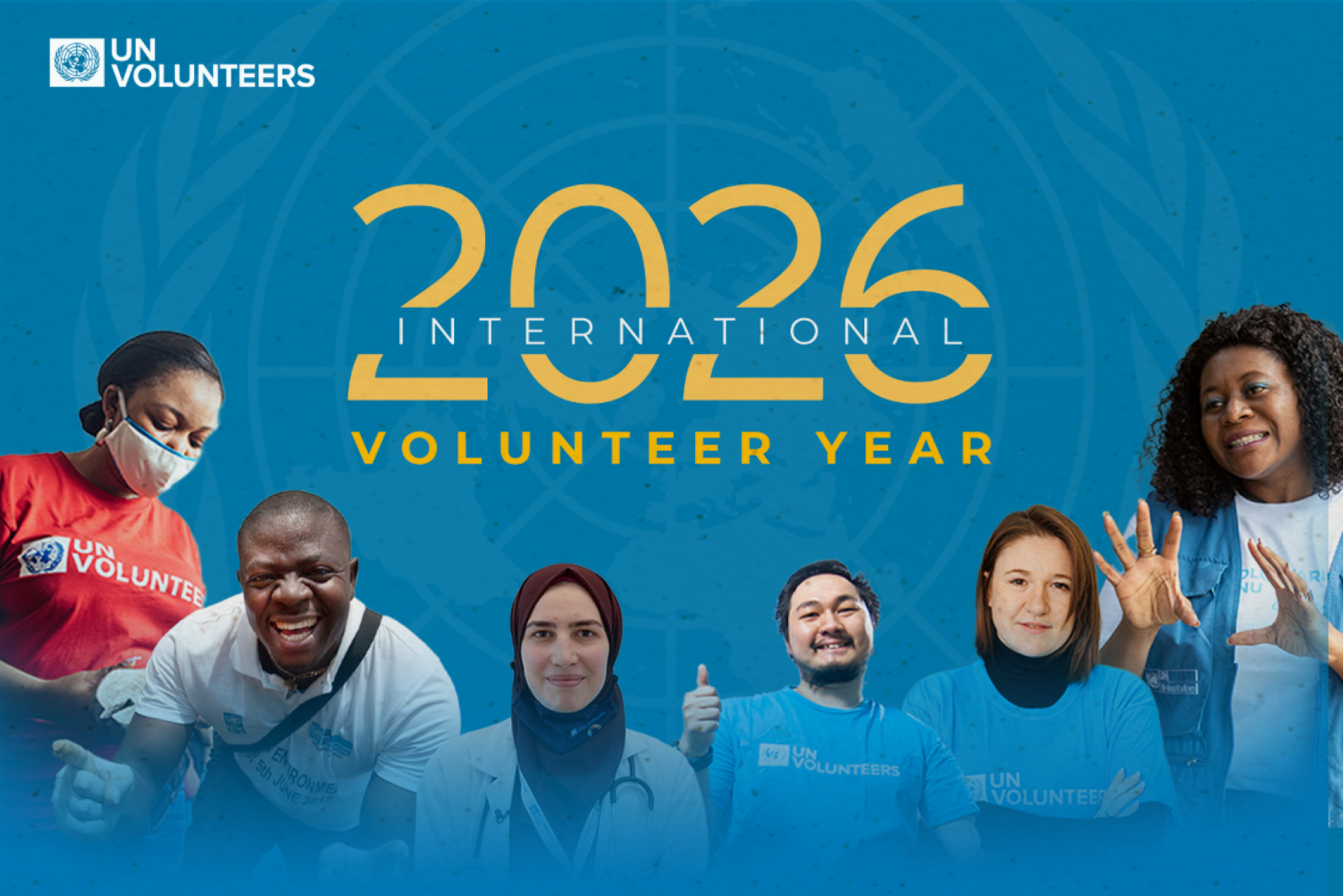
| | International Volunteer Year 2026 (IVY26)
2026 is International Volunteer Year (IVY26) – as declared by the UN General Assembly. Volunteering New Zealand and the Volunteer Centres throughout the motu are planning for this significant event.
The previous International Year of the Volunteer was in 2001, 25 years ago, when Volunteering New Zealand was created. We are proud to be marking 25 years of volunteer support in Aotearoa, New Zealand. Read, Get Ready for International Volunteer Year 2026.
Volunteering New Zealand supports the global Call to Action for the future of volunteering. Read, A Call to Action for the future of volunteering.
IVY 2026 is an opportunity to emphasise the power of volunteering, encourage greater investment in volunteering, and secure commitments from governments and others to support volunteering. Volunteering New Zealand will be asking the community and voluntary sector to co-design our IVY26 Call to Action. |
|
|
|
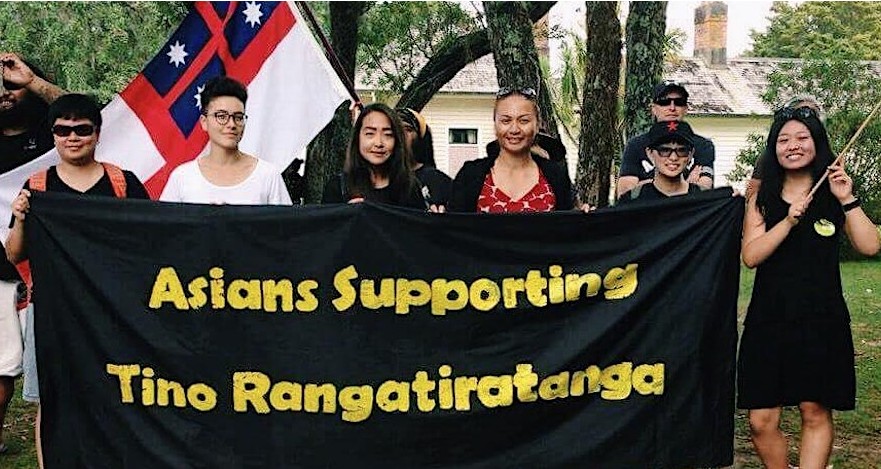
| | Asians Supporting Tino Rangatiratanga (ASTR) in Action: 10 years of Solidarity
📅 Saturday 14 March
🕙 11am - 12pm
📍 Online - register here
Commemorate a decade of Asians Supporting Tino Rangatiratanga with ASTR sharing their journey, stories, and learnings! Looking back on a decade of solidarity, learning, and growth.
This event is all about sharing stories, marking changes, and reflecting from our work to build Māori-Asian solidarities towards fully honouring Te Tiriti o Waitangi.
More details on speakers to come! Watch this space. |
|
|
|
| | Kanapu Support - Capability Building Series
Kanapu Support is a capability building series of one-hour online talks by Māori leaders, experts and specialists across three themes: pūtaiao (science), hangarau (technology) and auaha (innovation).
Prepare to be inspired by an impressive line-up of guest kaikōrero who will share their knowledge and expertise in these provocative, insightful conversations:
Series 1 | Tātai Pūtaiao | Science Series featuring Erina Watene (12 February), Jane Kitson (26 February), Rereata Makiha (5 March), Nick Roskruge (16 April) and Pauline Harris (30 April).
📅 starts Thursday 12 February (and then every second Thursday)
🕙 12 - 1pm
📍 Online - Register for the series here |
|
|
|
| | Evaluating Systems Change: New Ways to Spot, Show and Value Changes in Systems
📅 Wednesday 18 February
🕙 11am – 12pm
📍 Online - register here
Evaluating systems change is hard because systems don’t sit still. They’re messy, emergent, and shaped by many actors at once.
Clear Horizon are hosting a free webinar with guest speakers Emily F. Gates and Jess Dart moderated by Heidi Peterson to unpack how to spot, show, and value change as it's unfolding.
The session introduces new approaches, like collective noticing and collective valuing, that help make sense of meaningful shifts well before traditional outcomes appear.If you work in complex settings, systems innovation, or cross-sector change, this will give you grounded ways to rethink how you recognise and assess what matters. |
|
|
|
| | Te Pūaha Talks - Hauora by the seasons, with Tuihana Ohia
Raumati - Ngahuru (summer to autumn)
📅 Thursday 19 February
🕙 10:00am – 11.30am
📍 Online - register here
This programme of quarterly wellbeing webinars has been created by Tuihana Ohia to support community hauora. Each workshop draws on mataraunga Māori to acknowledge the changing seasons and how each season brings new opportunities to nurture our wellbeing. Time is included in the workshops for reflection and learning from our shared hauora experiences. |
|
|
|
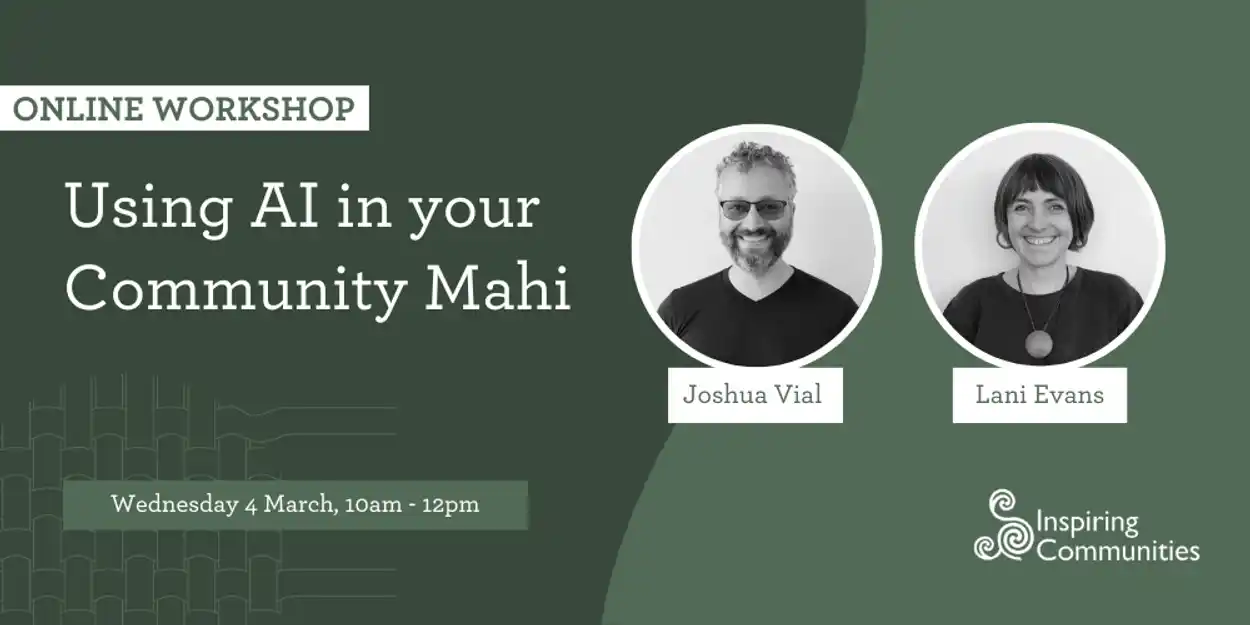
| | Using AI in your Community Mahi
AI is moving fast, and it's already shaping the way we work in community. The recent Demystifying AI webinar highlighted that we need safe and practical ways to start using it for good, while staying mindful of ethics, bias and privacy issues that can trip us up.
📅 Wednesday 4 March 🕙 10:00am – 12:00pm 📍 Online via Zoom - register here
Join Inspiring Communities for this practical workshop from Lani Evans and Josh Vial of Fundsorter where they will walk you through useful ways to bring AI into your mahi and answer all your techy and tricky questions along the way.
|
|
|
|
| | Mental Health Foundation mini podcast series, Moments that Matter
Moments that Matter launched late last year. This mini-podcast series exploring the pivotal experiences that shape who we are.
Presented by award-winning journalist Jehan Casinader, the series features well-known New Zealanders reflecting on the moments that have influenced their mental health and wellbeing.
Find the series on YouTube or Spotify now. |
|
|
|
| |
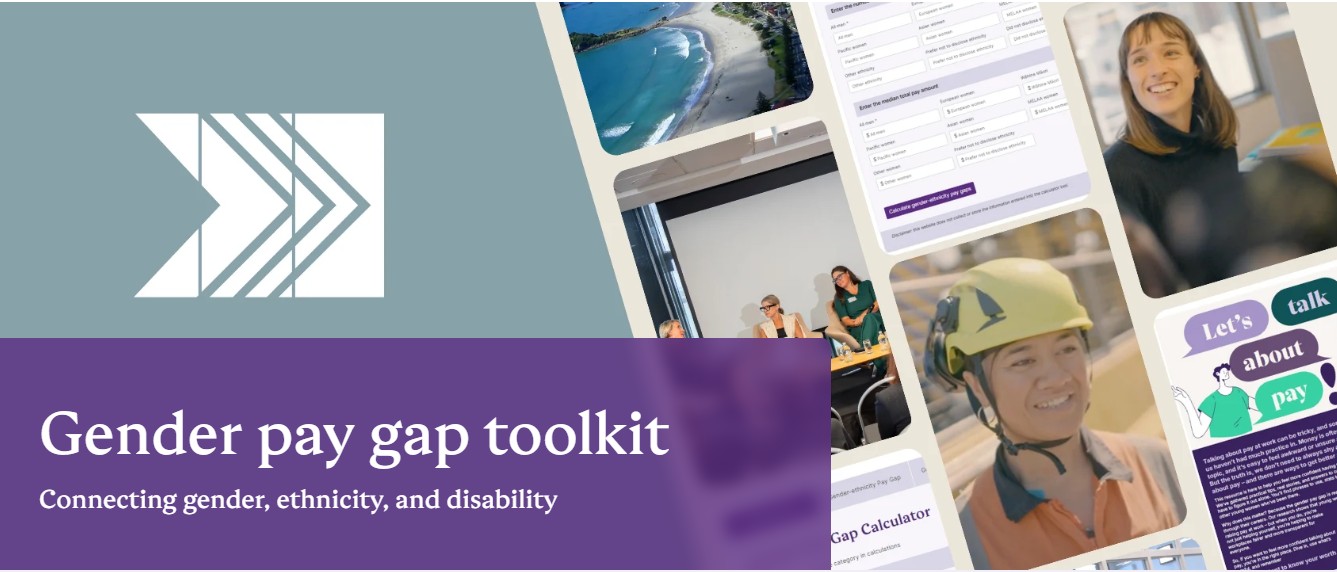
Gender pay gap toolkit
Connecting gender, ethnicity, and disability
Every woman’s story is different, but the message is always the same - let’s take action to close the gender pay gap. Voices are loud and clear in this video 🗣️💜
Manatū Wāhine | Ministry for Women are expanding the Gender Pay Gap Toolkit to calculate gender-ethnicity and gender-disability pay gaps means that all businesses and organisations can take meaningful and practical steps to support their women employees and work towards closing the gap.
They’re committed to supporting the young women of Aotearoa, and alongside YWCA we developed a resource for young women to help them have confident conversations about pay.
This also means helping small and medium-sized businesses measure and understand their pays gaps with a new resource offering practical, tailored guidance.
No matter how old you are, where you come from or what sized organisation you’re in, change happens when we act ⭐
➡️ ➡️ Explore the toolkit and contribute to building workplaces where all women are valued equally. |
|
|
|
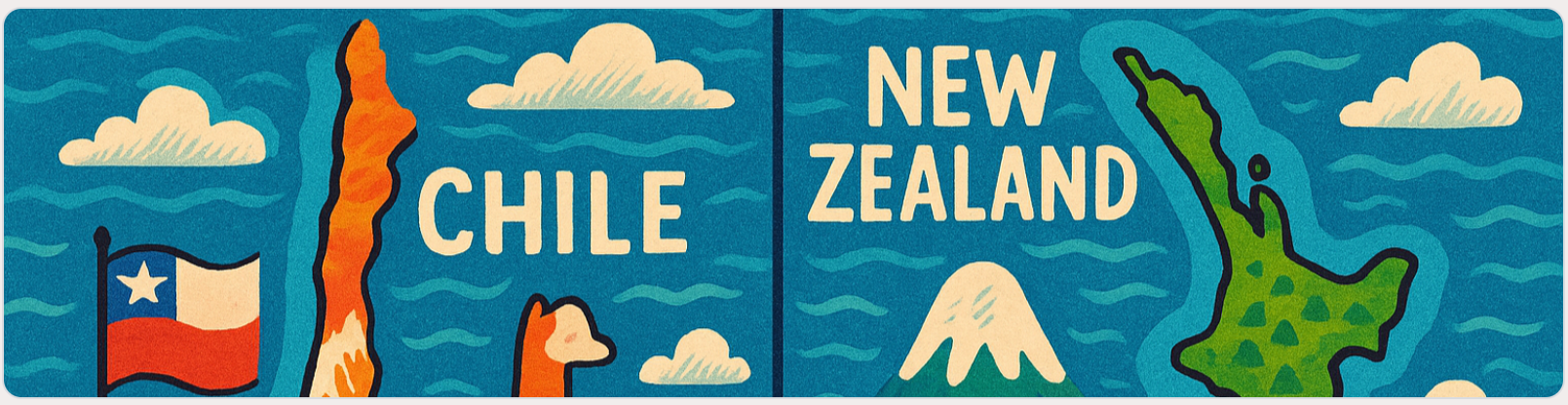
'Health of Migrants and Refugees' webinar series: 'Catalyzing research evidence exchange between Chile and New Zealand.'A six-part webinar series running through to May 2026 exploring migrant and refugee health through a trans-Pacific lens. Despite geographic distance, Chile and Aotearoa New Zealand share key parallels in healthcare systems, social policies, and public health challenges, making this a rich opportunity for comparative learning and collaboration. - Webinar 1: held 17 Sep 2025 - recording
Drivers of vaccine access and acceptance among migrant and refugee populations in New Zealand and Chile: Evidence-based lessons and challenges. - Webinar 2: held 15 Oct 2025 - recording
Migrant nutritional health and food insecurity in New Zealand and Chile: Evidence-based lessons and challenges - Webinar 3: held 12th Nov 2025 - recording
Mental health and wellbeing among migrant and refugee communities in New Zealand and Chile: Evidence-based lessons and challenges - Webinar 4: NZ: 11th Mar 2026 @ 12pm
Lessons learned from the COVID-19 pandemic experience among migrant
populations in New Zealand and Chile - Webinar 5: NZ: 15th Apr 2026 @ 11am
Bodies, sexuality and gender issues in healthcare among young migrant populations in New Zealand and Chile: Evidence-based lessons and challenges - Webinar 6: NZ: 13th May 2026 @ 11am
Sense of self and coping strategies towards loneliness among migrant populations in New Zealand and Chile: Evidence-based lessons and challenges
Register for the remaining webinars here. |
|
|
|
| | Te Tiriti Based Futures + Anti-Racism 2026
HEI KANOHI MATAARA, HEI RINGA WHITI
Eyes wide open , ready for action
21-26th March 2026
|
|
|
|
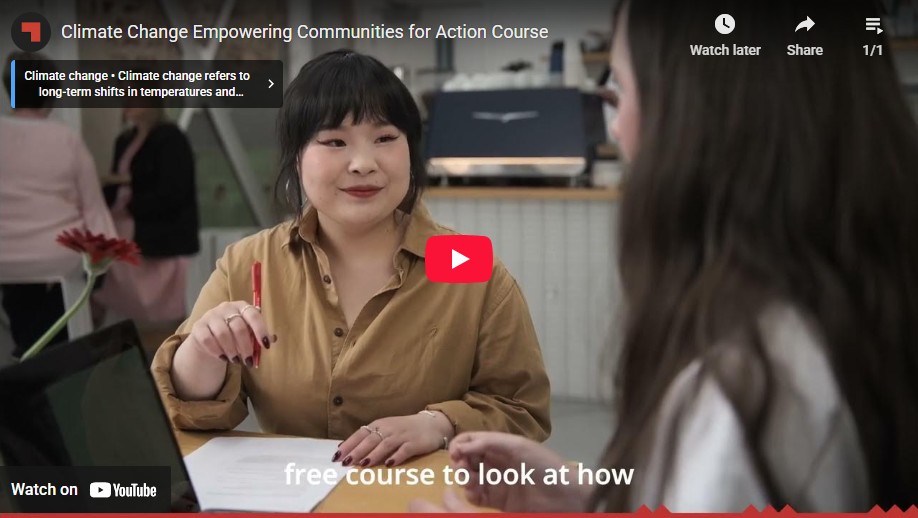
| | Climate Change Course: Empowering Communities for Action - change of start date
Get ready to make a difference with this free online climate change course, built by University of Canterbury in partnership with Christchurch City Council and Future Curious. Deepen your understanding of the various perspectives on climate change, and explore practical strategies to take meaningful action.
Climate change is one of the biggest challenges of our time — a complex “wicked problem” that affects our communities, environment, and way of life. It can feel overwhelming, but every action counts, and there are practical steps you can take to make a meaningful difference.
In this free online course, you'll learn what's happening, why it matters, and how you can take a stand. You'll explore scientific and Indigenous perspectives on climate change, and become empowered to contribute to wider community climate action.
Now is the time to act — and this course shows you how to turn knowledge into action.
|
|
|
|
Our vision is a more equitable, engaged and inclusive Aotearoa informed by community knowledge.
Ko ta mātou whakakitenga he Aotearoa e tōkeke ana, e whai kiko ana, e whakamohio mai ana e te matauranga hapori.
Our Commitment:
We provide our services free of charge to support tangata whenua, and the voluntary and community sectors. Community Research is a registered charity, sustained by donations and grants.
Your Support Matters:
If you value our work, please consider making a donation. Your contribution helps us continue to foster a more connected and informed Aotearoa. |
|
|
|
|
|