Welcome to our monthly manufacturing security newsletter, where we bring you the latest insights on safeguarding your operations and staying ahead in the industry. |
|
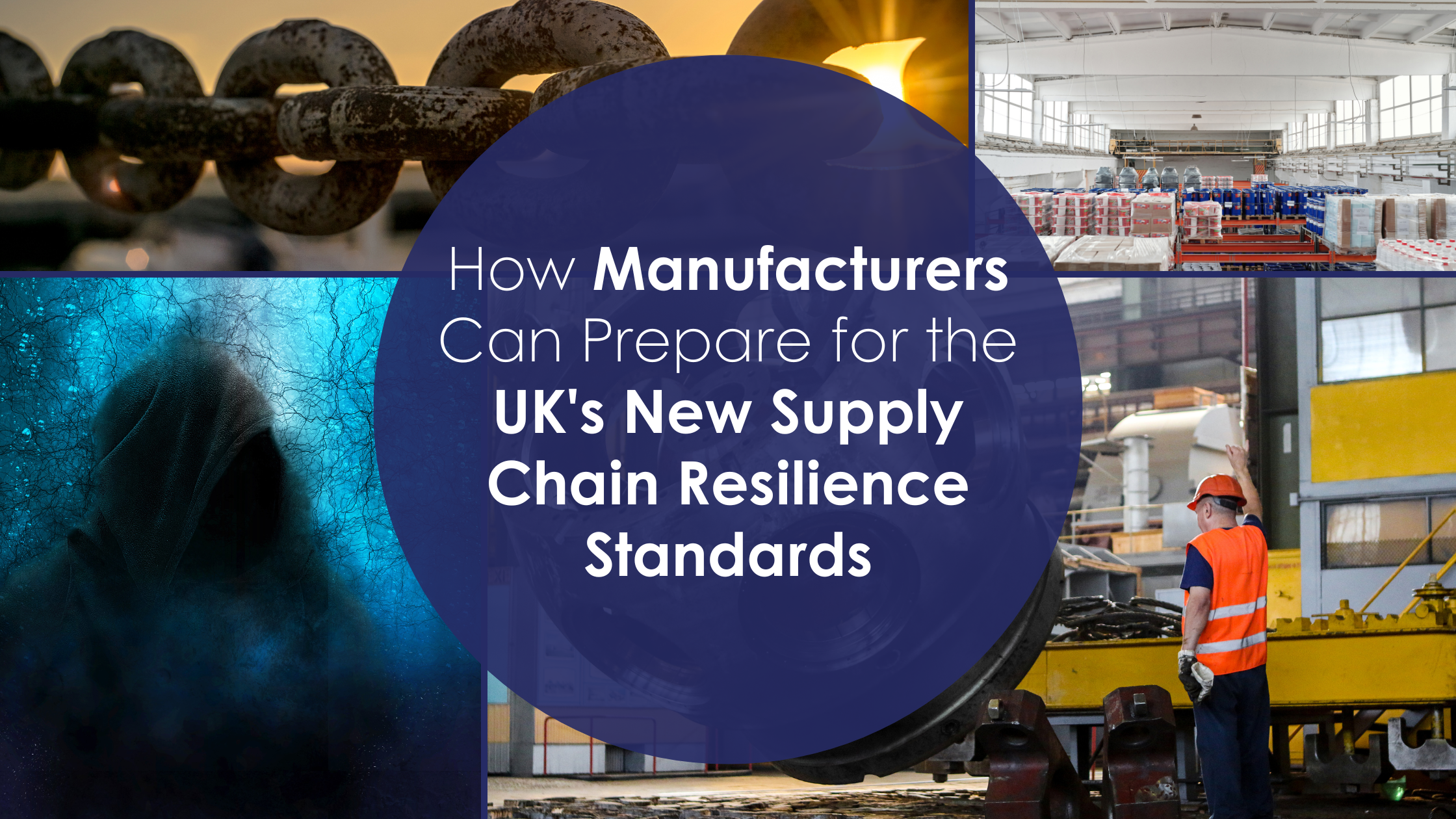
The UK Government’s new supply chain resilience standards are reshaping how manufacturers operate.
This blog explains what’s changing, why it matters, and how manufacturers can proactively respond with integrated security planning—physical and cyber.
Learn how to align with the UK Industrial Strategy and protect your business from disruption. |
|
|
|
The UK's Modern Industrial Strategy 2025 Released |
|
|
|
The UK Government has officially launched its 10-year Modern Industrial Strategy, aimed at accelerating investment and growth across key sectors including advanced manufacturing, clean energy, and digital technologies. The strategy includes sector-specific plans and funding mechanisms to support resilience, innovation, and competitiveness.
This strategy sets the tone for future procurement, compliance, and funding opportunities. Manufacturers must align with its resilience and security expectations to remain competitive and secure long-term contracts.
Find out more here. |
|
|
|
2025 UK Innovation Report Benchmarks Manufacturing Performance
The newly released UK Innovation Report 2025 provides a comprehensive analysis of how UK industrial sectors—including manufacturing—compare globally in terms of innovation, productivity, and resilience. It highlights areas where UK manufacturers are leading and where improvement is needed.
This report offers valuable insights for manufacturers looking to benchmark their performance and identify strategic areas for investment—especially in security, digitalisation, and workforce development.
Explore the report Here.
|
|
| | Sellafield’s New Manufacturing Model Promises Safer, Faster Operations
Sellafield has introduced a new manufacturing model aimed at improving safety and efficiency in nuclear decommissioning. Gareth Frazer, Head of Manufactured Products, describes how this approach benefits both the UK manufacturing sector and the local community in Cumbria.
This case study demonstrates how innovation in manufacturing processes can enhance safety and resilience—key themes in the current industrial strategy. It’s a practical example of how manufacturers can evolve to meet new standards.
Read more here. |
|
|
|
Security Tip of the Month |
|
Secure Your Supply Chain by Securing Your Suppliers
In light of the UK’s new supply chain resilience standards, your security is only as strong as your weakest supplier. Many manufacturers overlook third-party risks—especially from smaller vendors who may lack robust cyber or physical security procedures.
What to do:
- Vet all suppliers for cybersecurity and physical security practices.
- Request evidence of their security policies, certifications (e.g., ISO 27001), and incident response plans.
- Include security clauses in contracts to ensure accountability.
- Conduct regular audits or request self-assessments to monitor compliance.
- Use tiered risk profiles to prioritise oversight of high-impact suppliers.
Pro Tip:
Start with your top 10 suppliers by spend or criticality. Use a simple checklist to assess their security posture and identify gaps. |
|
|
|
National Security Strategy 2025: A New Era of Resilience and Risk Management |
|
|
|
The UK Government has released its National Security Strategy 2025, outlining a comprehensive framework to address growing geopolitical instability, cyber threats, and domestic vulnerabilities. The strategy focuses on making the UK a “harder target” through enhanced homeland security, digital resilience, and sovereign capabilities.
This strategy reinforces the government’s expectation that UK businesses—especially those in critical sectors like manufacturing—must adopt robust security practices. It also signals increased scrutiny and potential regulatory changes around supply chain security, cyber hygiene, and infrastructure protection.
Read the full strategy here. |
|
|
|
Foreign Influence Registration Scheme (FIRS) Launches to Protect UK Interests |
|
The UK has launched the Foreign Influence Registration Scheme (FIRS), requiring individuals and organisations acting on behalf of foreign powers to register their activities. This move is part of a broader effort to counter espionage, cyber infiltration, and undue influence in sensitive sectors.
Manufacturers working with international partners or suppliers—especially in defence, aerospace, or critical infrastructure—must now be more vigilant about compliance and transparency. FIRS may also impact how foreign-owned entities operate within UK supply chains, making due diligence more important than ever.
Explore FIRS here. |
|
|
|
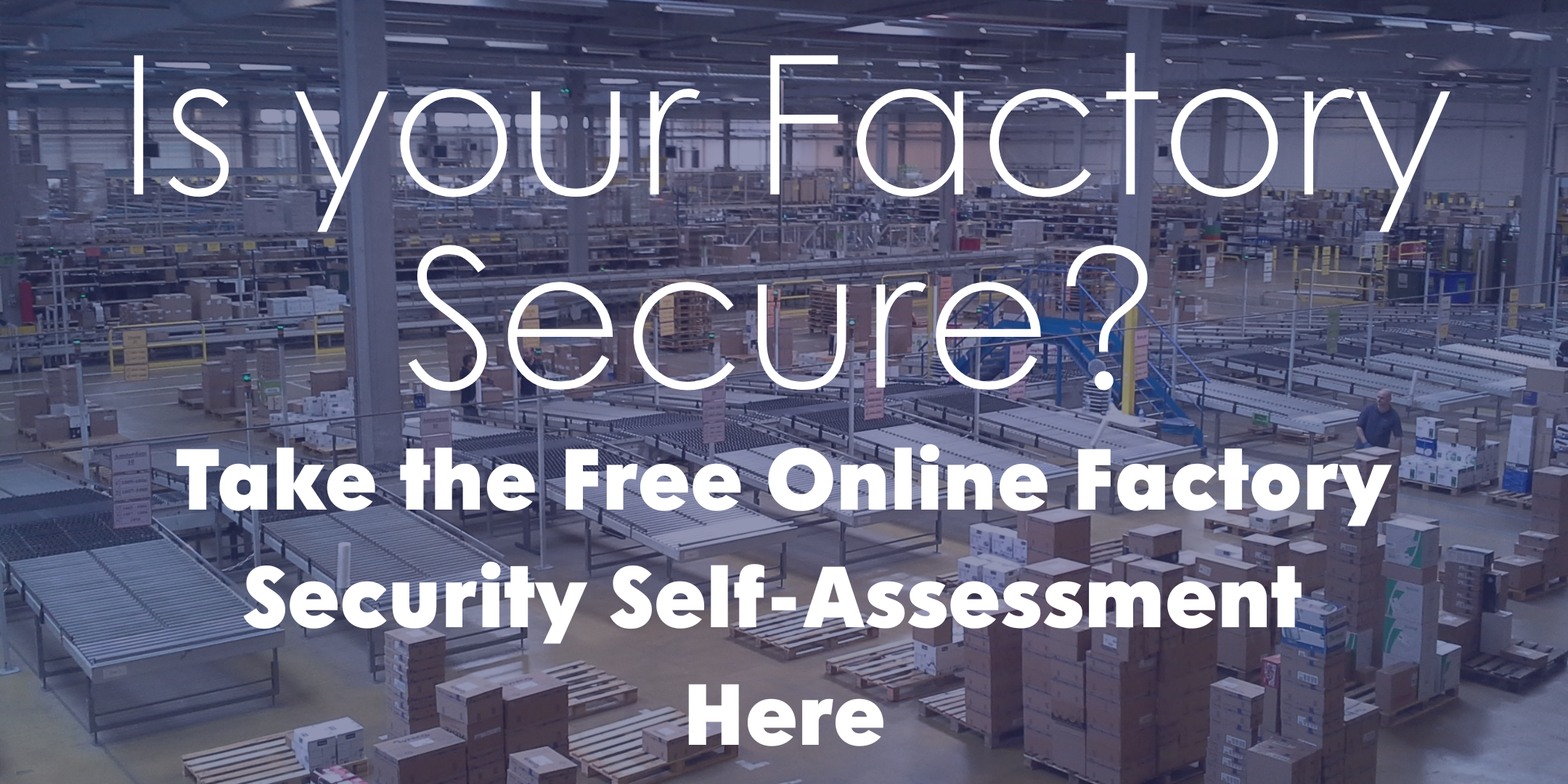
? Is Your Factory Secure?
Manufacturers are under increasing threat – from physical breaches to cyberattacks. Our quick, online self-assessment helps you uncover vulnerabilities across your facility in just a few minutes.
? What You’ll Assess
Our guided online tool walks you through:
- ? Physical Security – Access control, surveillance, perimeter protection
- ? Cybersecurity – Network safety, backups, user access, patching
- ⚙️ Operational Security – Policies, training, visitor management, compliance
? Why Take the Assessment?
- ✅ Fast & Simple – Complete in under 10 minutes
- ? Instant Results – See your security strengths and gaps immediately
- ? Actionable Insights – Get tailored recommendations based on your answers
- ? Repeatable – Use quarterly or annually to track improvements
? Why It Matters
- 66% of manufacturers were hit by ransomware in 2023
- 87 million records were exposed in manufacturing breaches
- Most incidents stem from avoidable oversights
Start Your Assessment Now |
|
|
|
Equilibrium Risk. 3M BIC Firth Street, Huddersfield. W Yorks. HD1 3BD. United Kingdom
|
|
|
|
|
|