|
Keeping you informed about community-led research - for a more inclusive and equitable Aotearoa.
|
|
|
|
|
|
Nau mai haere mai
Whakatairangatia i te mana o te rangahau ā-hāpori me te mahi tahi
Upholding the mana of community knowledge - together |
|
|
|
Last week I had the privilege of attending two gatherings that, in different ways, were asking the same question: what does it take to reimagine Aotearoa?
First, that we are living in a time of overlapping crises. Alongside a rapidly evolving geopolitical backdrop, climate change, inequity, social division, and declining trust in institutions are deeply interconnected. In fact, many speakers pointed to the same underlying drivers shaping both climate change and inequity — systems that concentrate power and resources in ways that leave communities and the environment increasingly vulnerable.
Second, that the answers don’t sit with any single organisation or sector. Across both events, people returned to the idea that a better future has to be imagined and built collectively — with tāngata whenua, communities, philanthropy, government, and civil society working alongside one another.
These conversations made me think of the future as a braided river — many currents moving in different directions, but ultimately flowing toward the same destination. That metaphor stayed with me. None of us carries the whole solution, but together our contributions can reshape the landscape.
There was also a strong reminder that proximity matters. Tāngata whenua and communities closest to the issues often hold the knowledge and solutions, yet our systems still struggle to share power and properly resource those solutions.
At the same time, there is a tension many in the community and voluntary sector know well: the reality of being busy every day doing the mahi — delivering services, filling gaps, responding to urgent needs — while also knowing that the deeper work is changing the systems that create those needs in the first place.
That kind of change requires time and resource to build reciprocal relationships, establish trust, and act with courage. The question I was left with is how we create the space — and the courage — not only to imagine that future together, but to begin shaping it.
For Community Research, part of our role is helping create spaces where these conversations can happen and where community knowledge can help shape the future.
One pathway is strengthening our collective understanding of what a Te Tiriti-based future might look like — a future where the relationships and responsibilities outlined in Te Tiriti o Waitangi shape how we organise power, resources, and decision-making in Aotearoa.
Community Research is proud to be supporting the upcoming Te Tiriti Based Futures online event being held later this month, which creates space for exactly these kinds of conversations.
Nā Lorna.
|
|
|
|
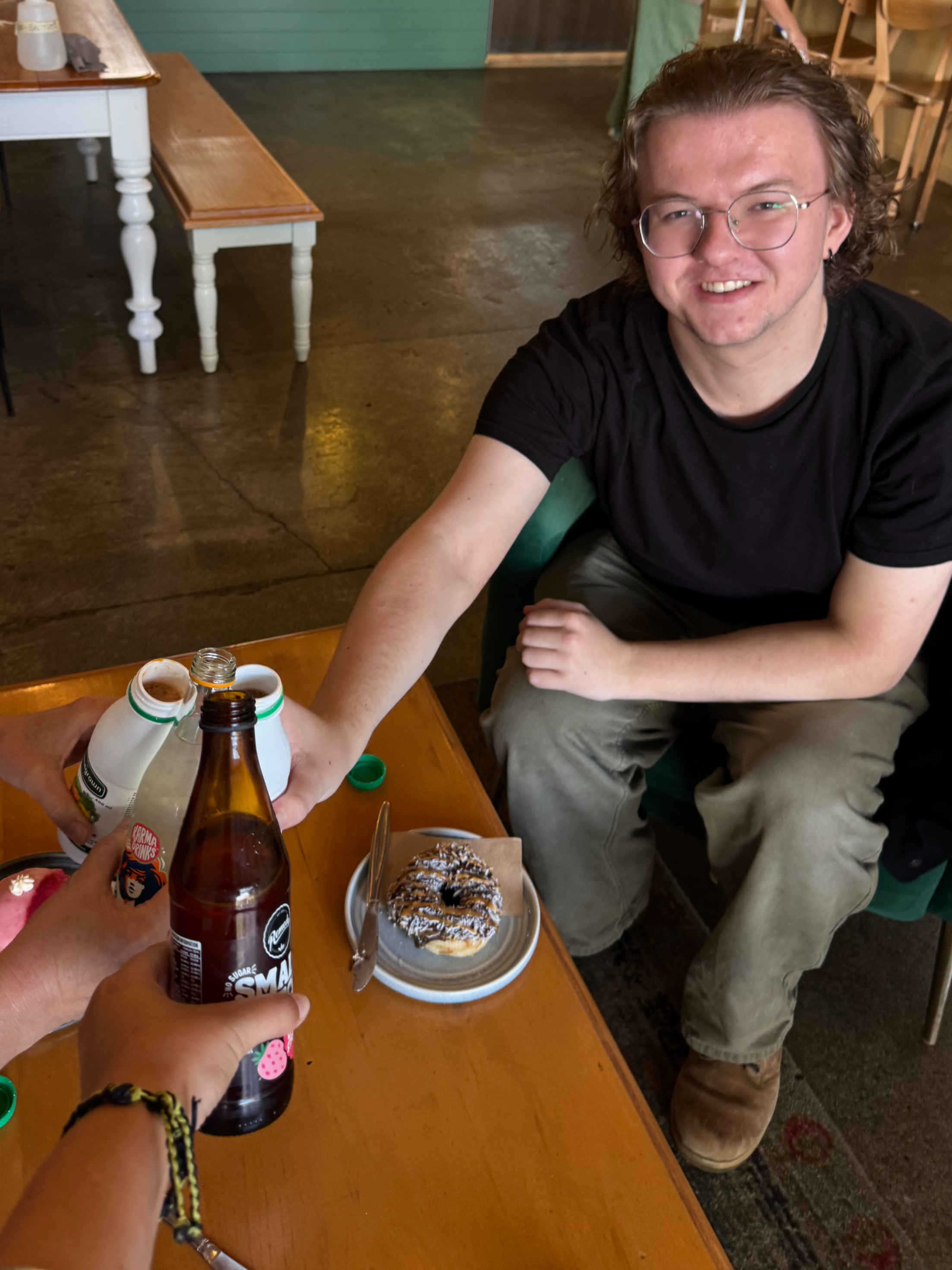
| | Haere rā e Henry Growcott!
Henry has made a valuable contribution to Community Research during his internship, particularly through the Equity and Participatory Democracies project. He has highlighted key opportunities to support communities: creating accessible counternarratives to divisive messaging, clarifying core concepts like equity vs equality, and encouraging informed democratic participation.
Our kaitiaki and kaimahi thank Henry for his insights and we wish him all the best for the future. |
|
|
|
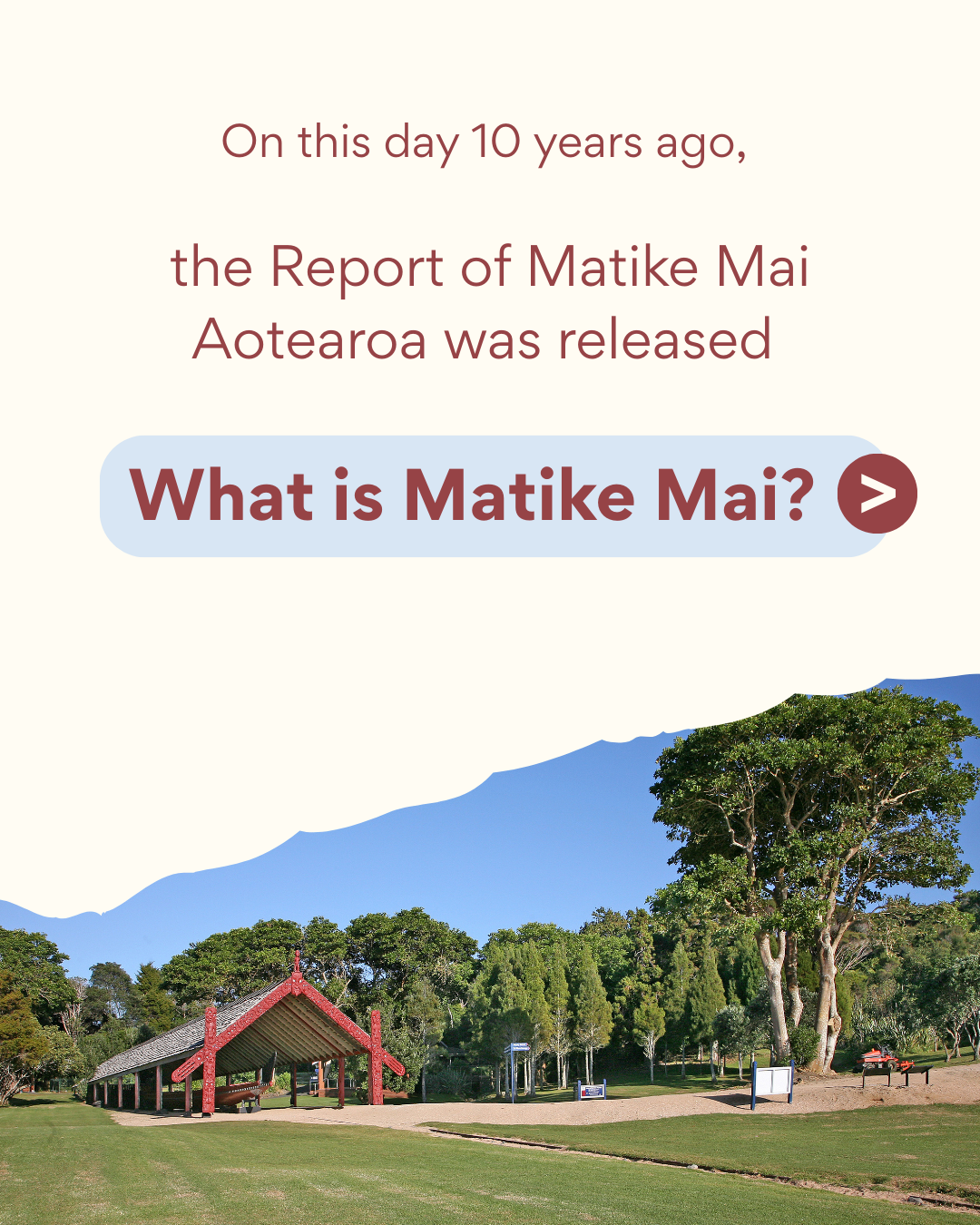
| | Matike Mai Resource Hub
Wow! It's been awesome to see so many of you ultilising our Matike Mai Resource hub and engaging with our explainer slides.
Our hub brings together key resources around Matike Mai and the need for constitutional transformation in a Te Tiriti-led future.
You can access the resource hub here. This is a living resource hub. If you have resources that you’d like added, please contact admin@communityresearch.org.nz |
|
|
|
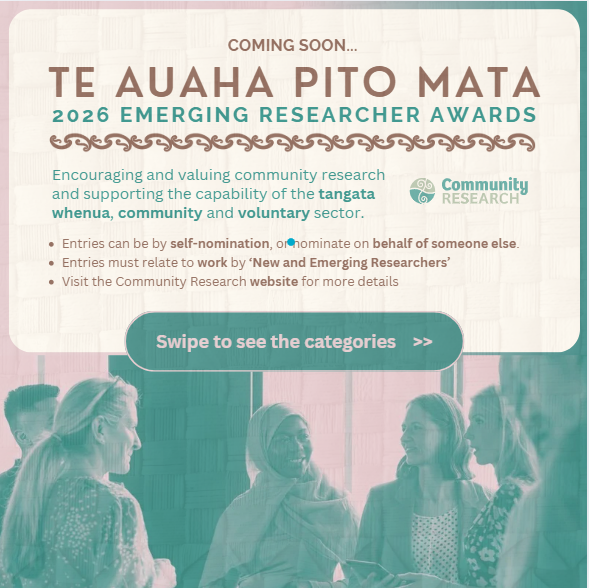
| | Nominations are now being accepted for emerging researchers whose work uplifts communities and strengthens knowledge for positive change. There are four awards categories researchers can be nominated for:
- Tangata Whenua community researcher (for Māori researchers)
- Ethnic community researcher (for Ethnic researchers)
- Pasifika community researcher (for Pasifika researchers)
- Community researcher/evaluator
Plus the ‘Billie Award’ that is bestowed in recognition of strengths based research or evaluation.
These Awards provide an opportunity to celebrate the impact of early career researchers and their research projects, community research and diverse ways of knowing. |
|
|
|
Capital City Complex Systems Symposium
Recently, a few of our kaimahi attended the Capital City Complex Systems Symposium. Hosted by Te Pūnaha Matatini, the conference explored diverse knowledge of complex systems and how this knowledge can be used to drive systems change in Aotearoa.
We were pleased to record a couple of the keynote talks to make accessible to the wider community. These will be available on our website and youtube channel in the near future!
|
|
Eve and Lorna (Community Research) with Tania Pointon and Jahvaya Wheki (Seed Waikato) |
|
|
|
Te Auaha Pito Mata Awards 2026 - announcing our Guest Judges
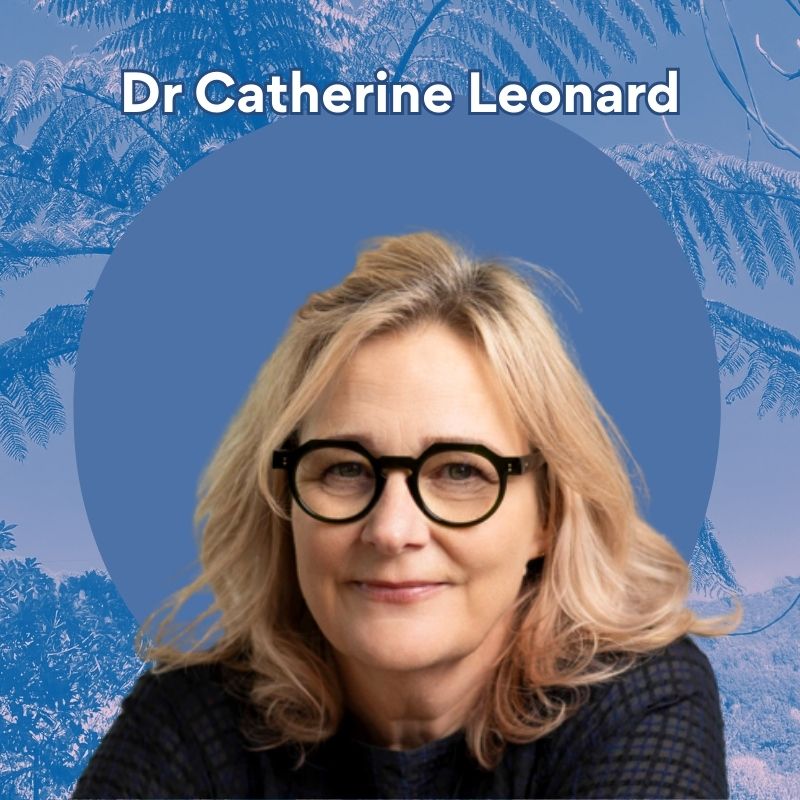
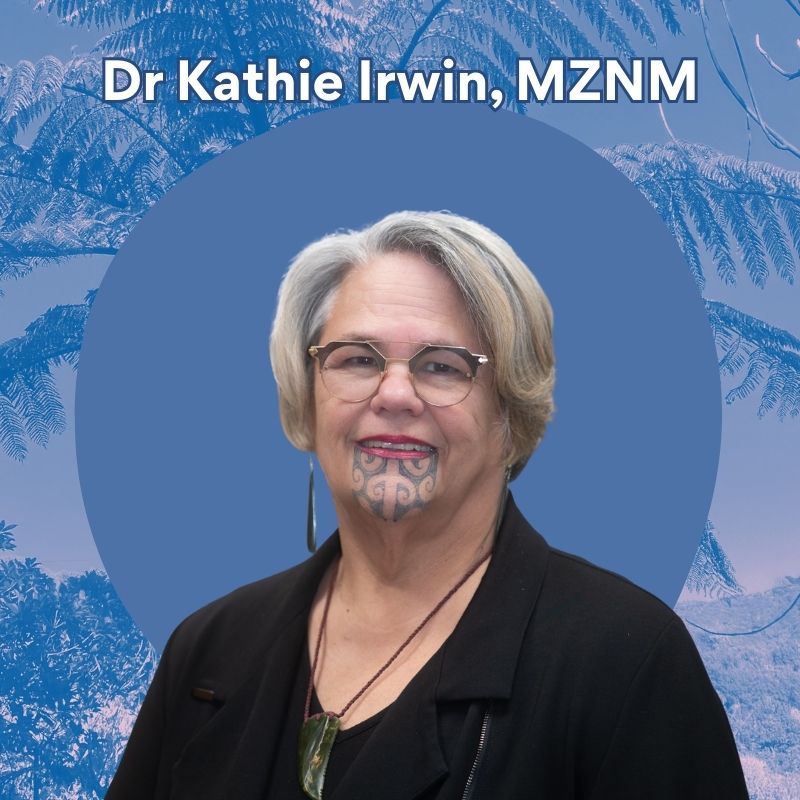
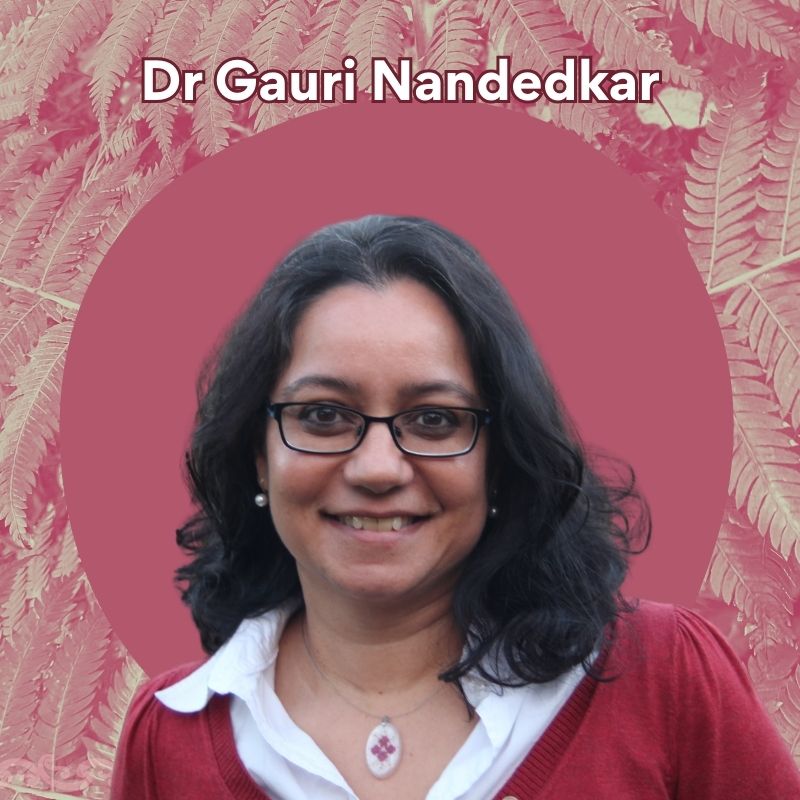
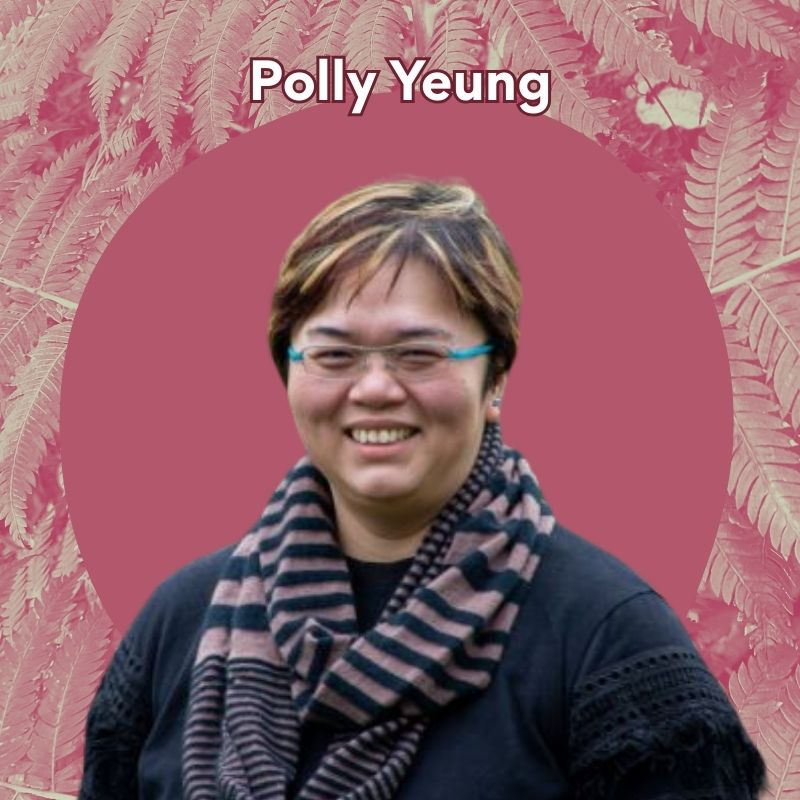
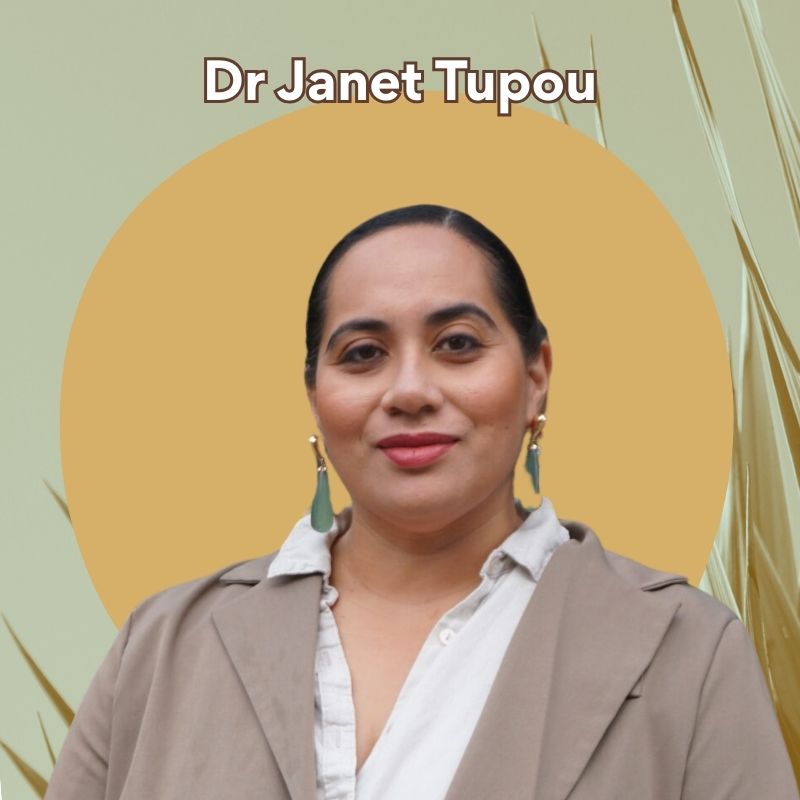
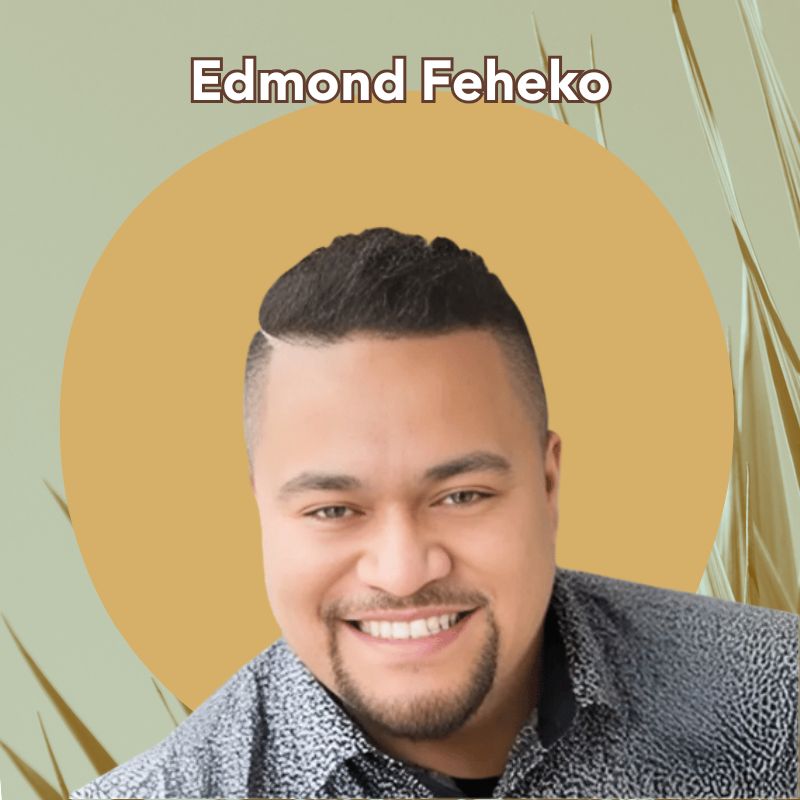
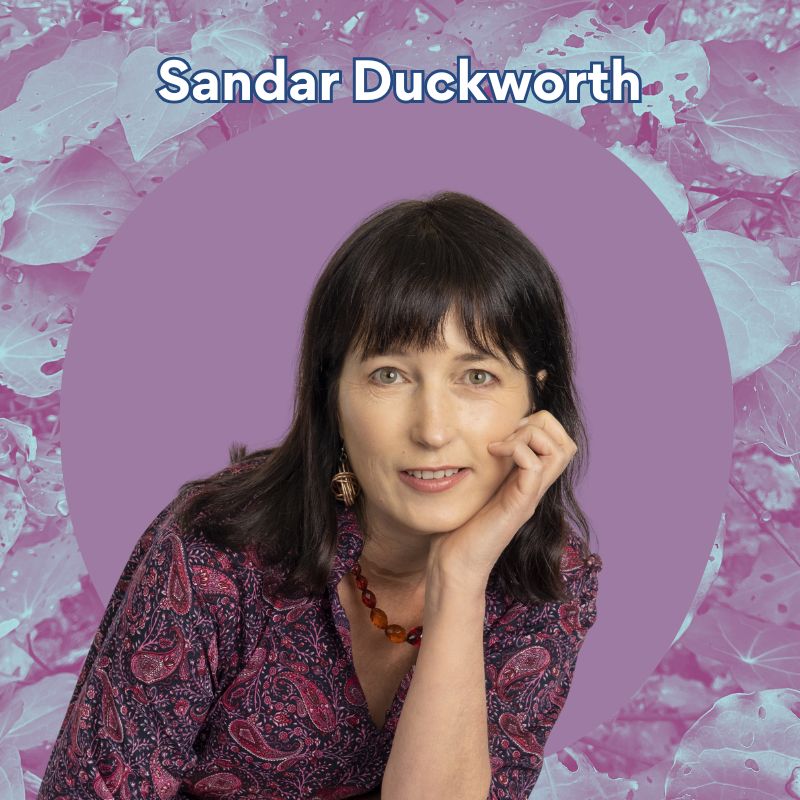
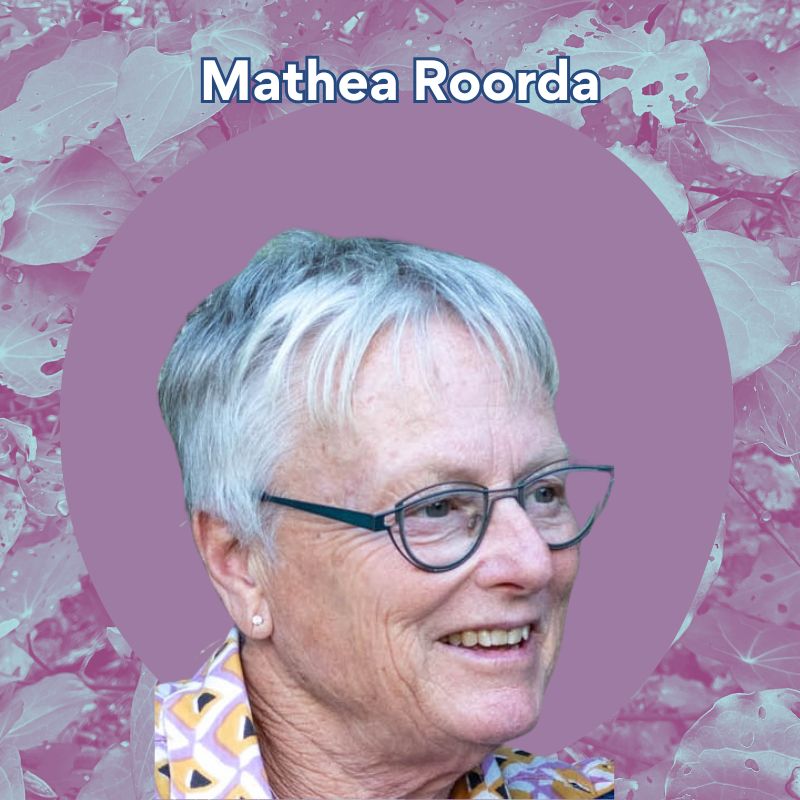
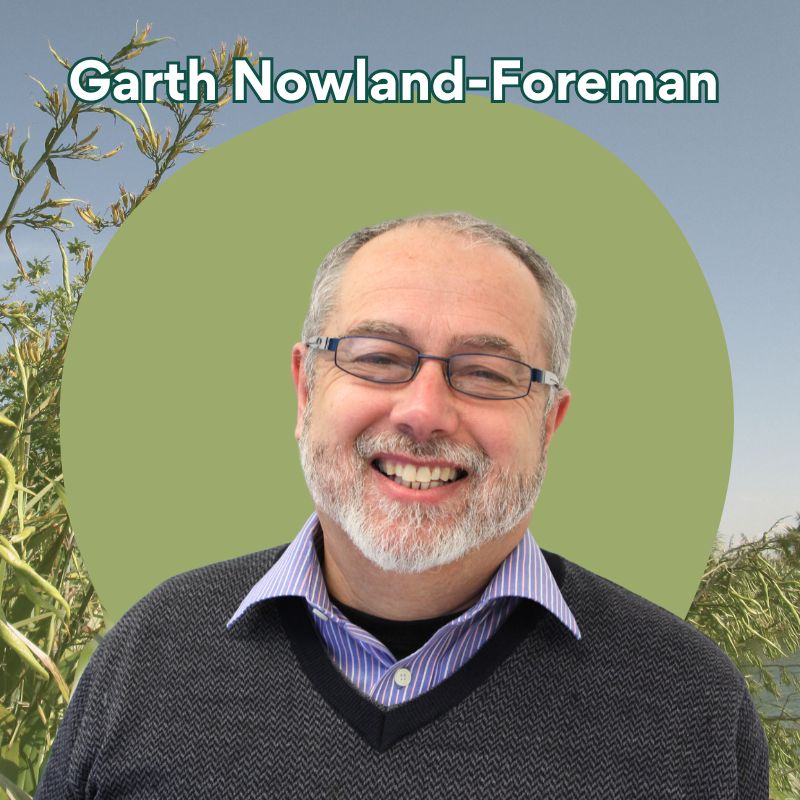
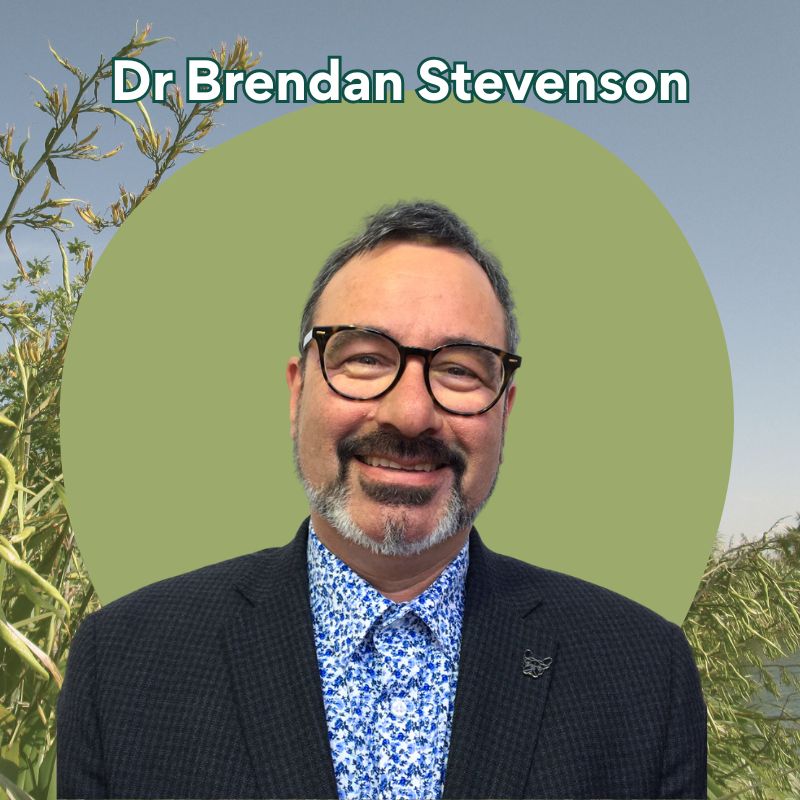
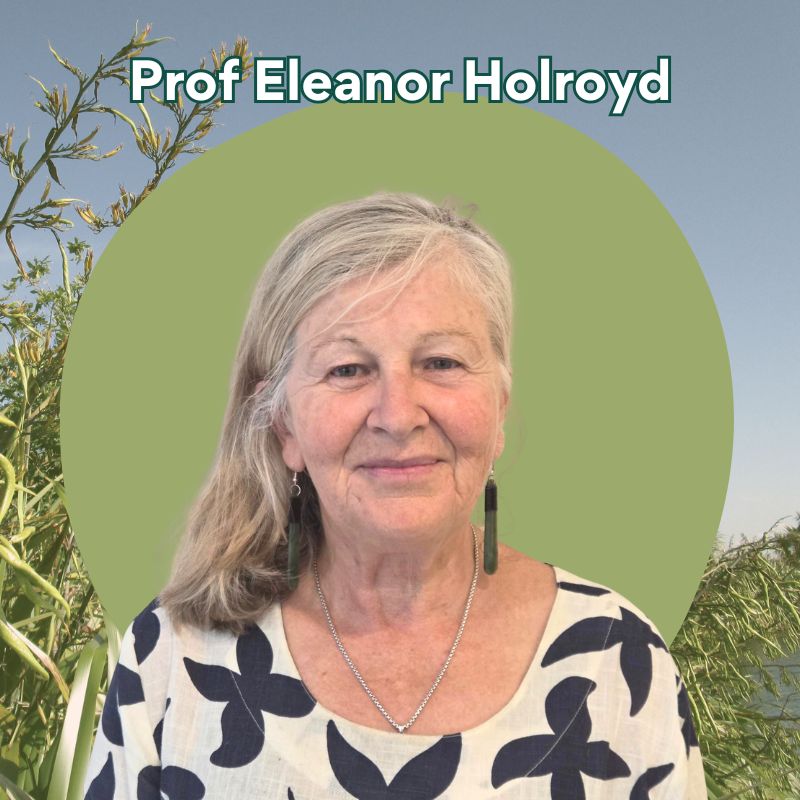
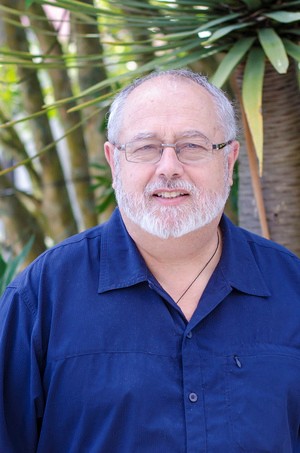
Community Research is honoured to have such an amazing cohort of guest judges joining us for these awards.
We’re grateful to each of our judges for offering their time, expertise, and whakaaro to support and uplift emerging researchers across Aotearoa. |
|
|
|
Guest Judges - Tangata Whenua Community Researcher Award |
|
|
|
Guest Judges - Ethnic Community Research Award |
|
|
|
Guest Judges - Pasifika Community Research Award |
|
|
|
Guest Judges - Community Researcher / Evaluator Award |
|
|
|
Guest Judges - The Billie Award for a strengths based approach |
|
|
|
We are grateful to those who have partnered with us to celebrate new and emerging community researchers
|
|
|
|
| | Tangata Whenua community researcher award, sponsored by Faculty of Health and Environmental Sciences, Auckland University of Technology |
|
|
|
| | The Billie award for strengths based research or evaluation, sponsored by Garth Nowland-Foreman |
|
|
|
If you, or your organisation, would like to offer your support for emerging researchers, and join us to celebrate their achievements at the Awards event at Government House, please contact Lorna at manager@communityresearch.org.nz |
|
|
|
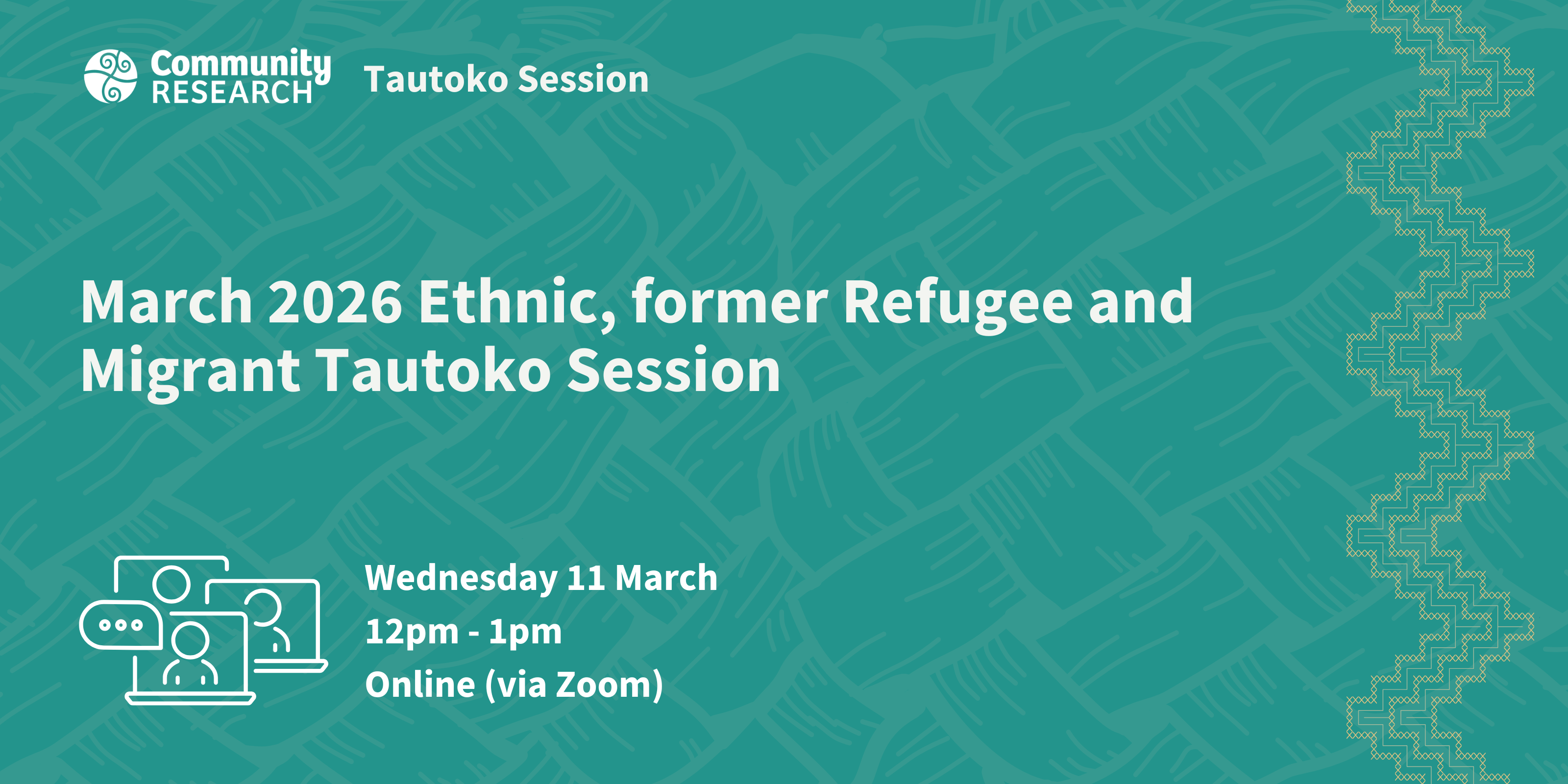
| | Ethnic, former Refugee and Migrant (EfRM) researcher Tautoko session
When: Wednesday 11 March,
Time: 12 - 1pm
Register here
Join us for our first Tautoko session for 2026 and connect with other researchers, former refugees, and migrant peers who are passionate about research with, by and for ethnically diverse communities.
This session will have time for:
- making connections and informal kōrero
- discussing draft ideas for stronger Tautoko Network branding, visibility, and promotion to increase our reach
- exploring ideas raised through the Nov 2025 review such as local area meet-ups, and how we can share news and updates within the Network.
Tautoko sessions are held two-monthly with attendance open to both Network and non-Network researchers and allies. They provide a dynamic informal unrecorded space that fosters a collective sense of shared purpose. We celebrate all forms of community-led knowledge-making, whether it’s community-based mahi and mātauranga, or based within organisations, the public service, or academia.
We are excited by the feedback we received and look forward to evolving this space together in 2026!
Bev and Eve |
|
|
|
Good With/In Games Spotlight
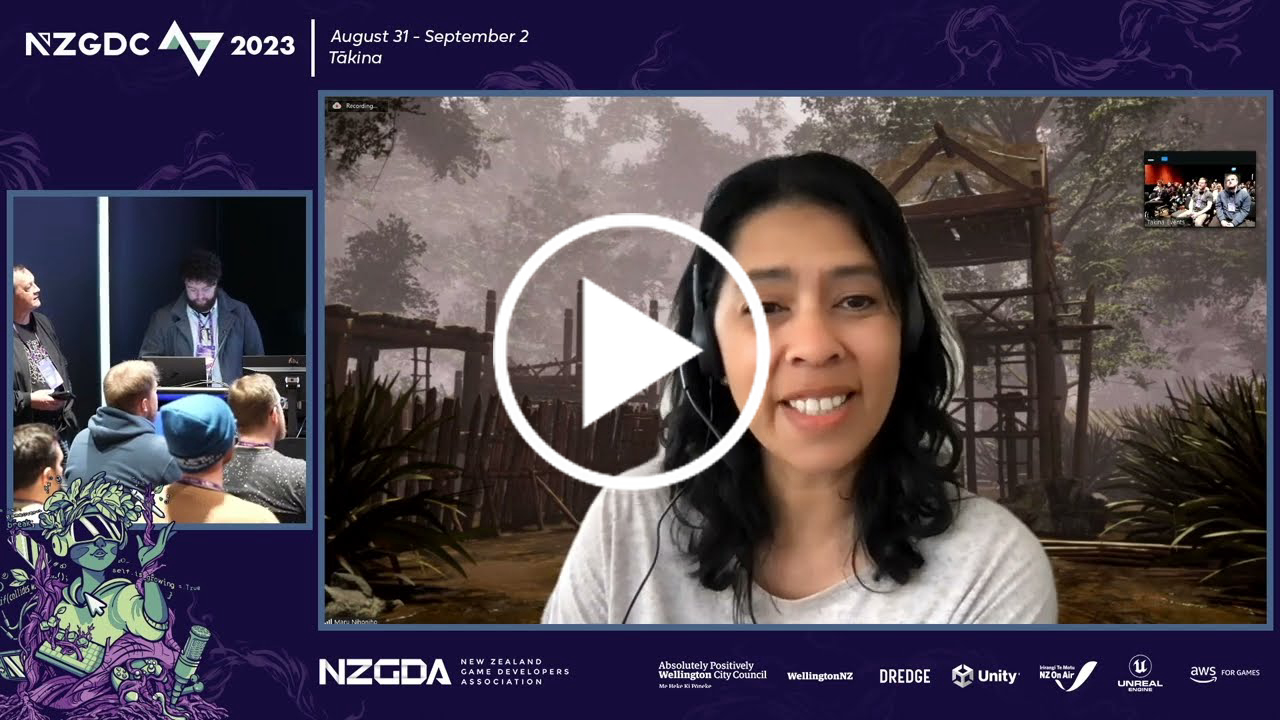
Last month we launched the 'Good With/In Games' special collection. The collection gathers together research from folks in the game development sector which have a focus on social good. Here's one of the great talks, with Maru Nihoniho and Greg Walker talking about their experiences with using Māori content and storytelling in games.
On why she uses games and Māori content:
"Why? Because I think the gaming platform is a powerful platform for engagement and learning. […] Games are interactive, they're self-paced, you can teach without teaching. People just play and learn as they play…" -Maru Nihoniho
|
|
|
|
| | Rainbow tokenism, cis-heteronormativity and global backlash: Rainbow employees’ concerns about workplace climate in New Zealand
Taylor Le Cui
This article examines the perspectives of Rainbow employees on workplace climate challenges across New Zealand organisations.
By situating Rainbow employees’ perspectives within both New Zealand and international political dynamics, this article offers a nuanced understanding of workplace climate in an underexamined national context and its entanglement with broader sociopolitical currents.
Read the research here |
|
|
|
| |
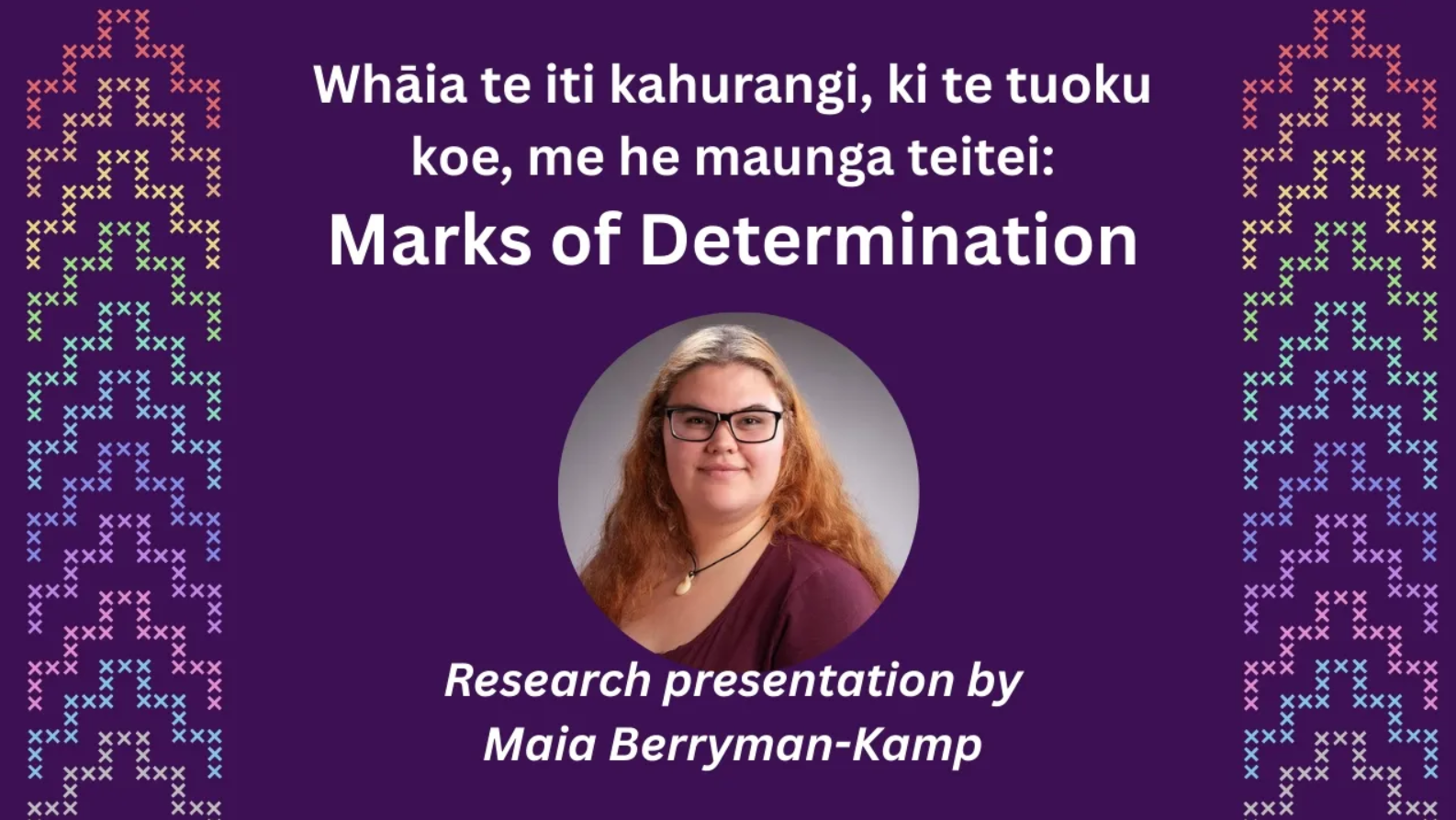
Last week we were thrilled to host Maia Berryman-Kamp at one of our LGBTTQIA+ Tautoko sessions, speaking about her research on tattoos, identity, and embodiment. The fascinating talk explores some of the ways identity and the self can evolve and be expressed in relationship with tattoos.
|
|
|
|
| | International Volunteer Year 2026 (IVY26)
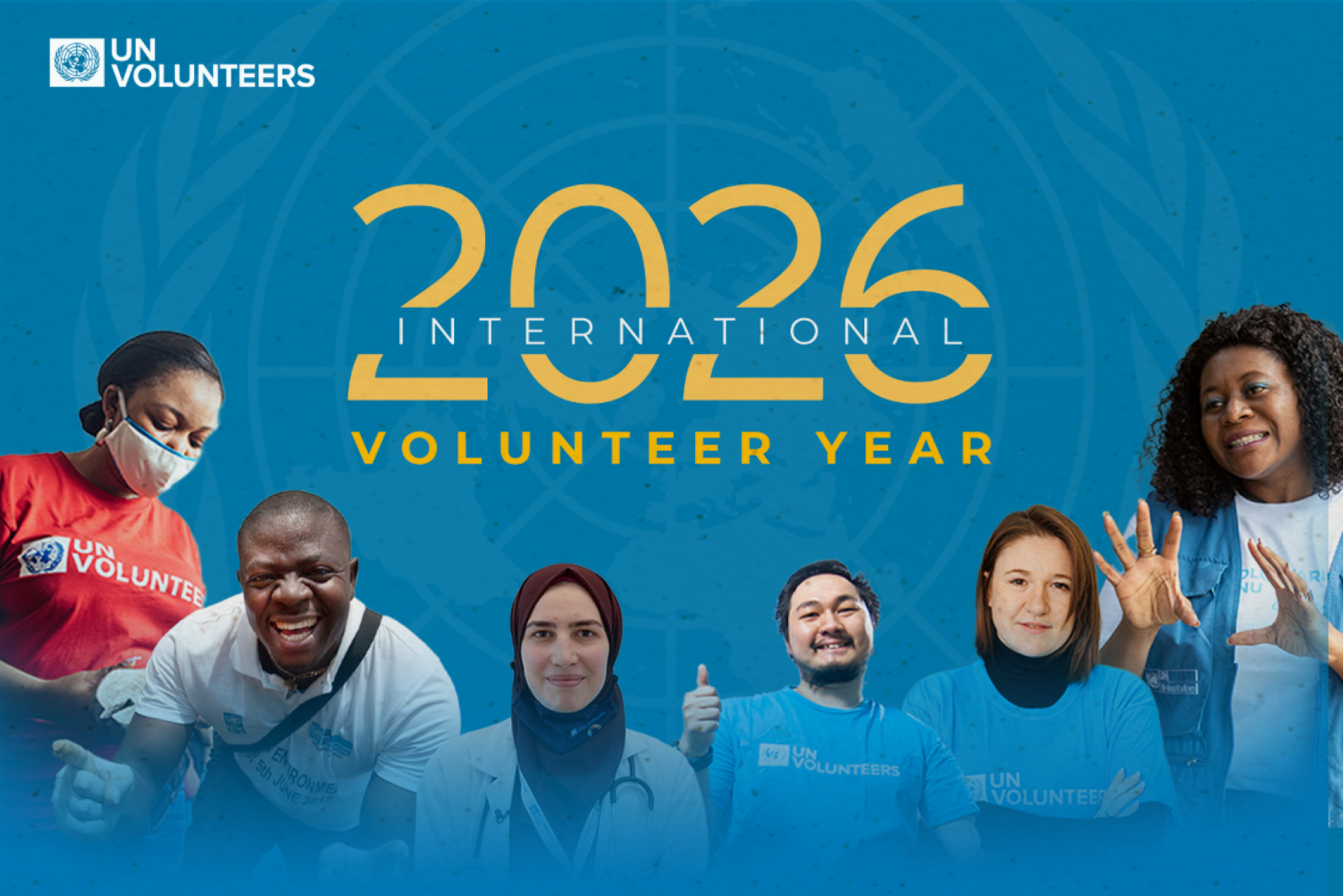
2026 is International Volunteer Year (IVY26) – as declared by the UN General Assembly. Volunteering New Zealand and the Volunteer Centres throughout the motu are planning for this significant event.
The previous International Year of the Volunteer was in 2001, 25 years ago, when Volunteering New Zealand was created. We are proud to be marking 25 years of volunteer support in Aotearoa, New Zealand. Read, Get Ready for International Volunteer Year 2026.
Volunteering New Zealand supports the global Call to Action for the future of volunteering. Read, A Call to Action for the future of volunteering.
IVY 2026 is an opportunity to emphasise the power of volunteering, encourage greater investment in volunteering, and secure commitments from governments and others to support volunteering. Volunteering New Zealand will be asking the community and voluntary sector to co-design our IVY26 Call to Action. |
|
|
|
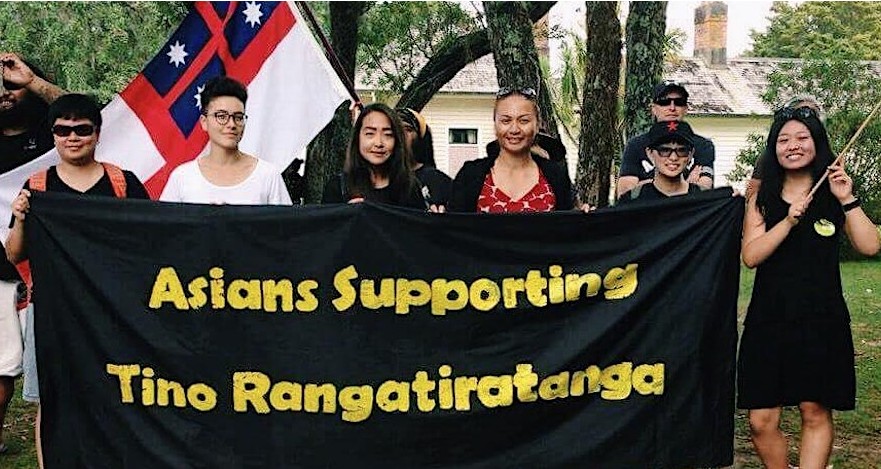
| | Asians Supporting Tino Rangatiratanga (ASTR) in Action: 10 years of SolidaritySaturday 14 March
11am - 12pm
Online - register here Commemorate a decade of Asians Supporting Tino Rangatiratanga with ASTR sharing their journey, stories, and learnings! Looking back on a decade of solidarity, learning, and growth.
This event is all about sharing stories, marking changes, and reflecting from our work to build Māori-Asian solidarities towards fully honouring Te Tiriti o Waitangi.
More details on speakers to come! Watch this space. |
|
|
|
| |
How do we ensure Pacific data strengthens Pacific futures rather than extracts from Pacific communities?
The Moanaroa Pacific Data Sovereignty Guidelines affirm that Pacific data is not just information. It is people, relationships, knowledge, and collective responsibility. Grounded in Pacific values, the guidelines support researchers, institutions, and partners to work with data in ways that honour cultural authority, community governance, relational ethics, and collective wellbeing. This resource offers practical direction for ethical data stewardship, protection of Indigenous knowledge, and decision making that keeps Pacific communities at the centre of how their data is accessed, used, and shared. Explore the guidelines and reflect on how your research practice can uphold Pacific data sovereignty and accountability. Read the guidelines here. |
|
|
|
| |
Story telling for systems change - A story kit for changemakers
This new website draws together years of research into the power of stories to change systems. It has been designed as a repository of resources for story-tellers, story-holders, story-listeners and the story-curious. It brings together in one place reports, resources, tools and frameworks.
View the website here.
|
|
|
|
| |
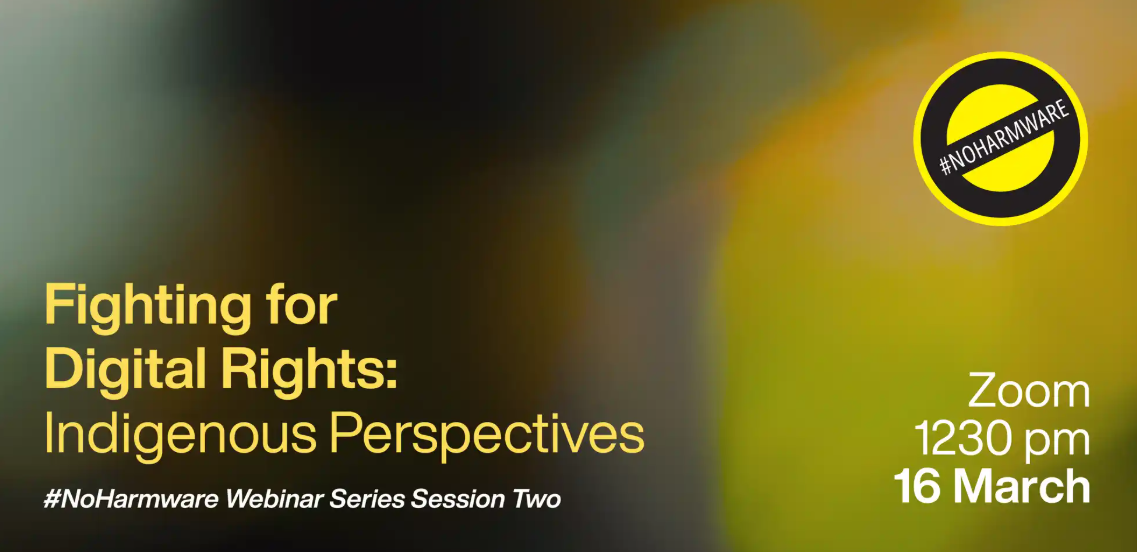
Fighting for digital rights - indigenous perspectives
Webinar 16 March 12.30pm
Aotearoa currently has no effective platform regulation. Without proper regulations, we’ve witnessed the growth of digital platforms and harmful online environments.
This second session of the #NoHarmware webinar series focuses on indigenous perspectives of the impacts of online harm and potential regulatory responses. Anjum Rahman will be joined by guest speakers Ana McAllister, Jodan Perry, and Chris Cormack to identify issues in this area and discuss how indigenous worldviews can lead the way in cultivating safe online spaces. Register here for this session.
Please see to watch the recording of the first webinar session – International Perspectives.
This session is run by as part of the
|
|
|
|
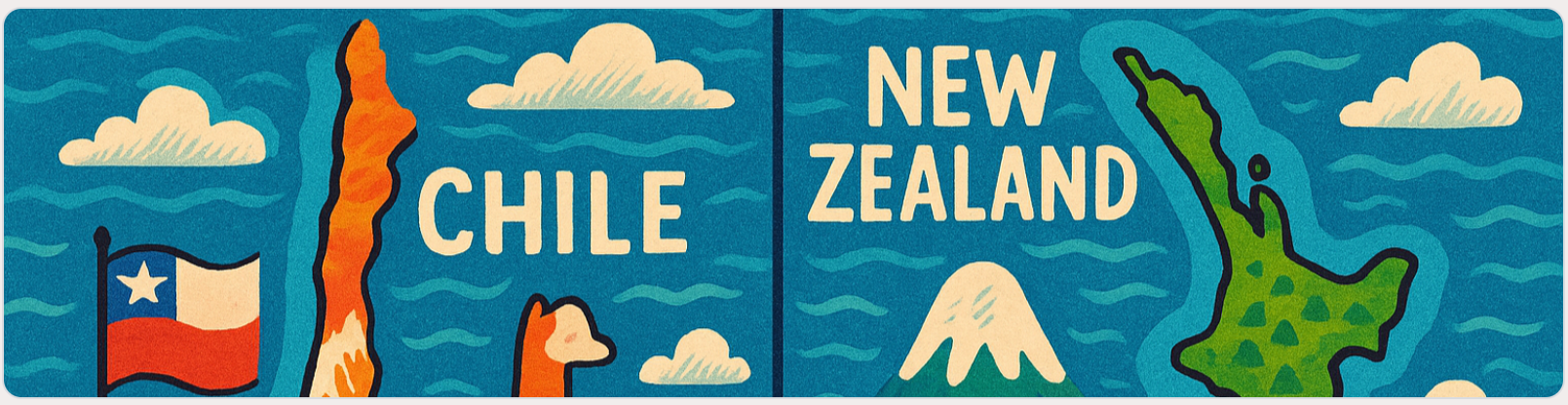
'Health of Migrants and Refugees' webinar series: 'Catalyzing research evidence exchange between Chile and New Zealand.'
A six-part webinar series running through to May 2026 exploring migrant and refugee health through a trans-Pacific lens. Despite geographic distance, Chile and Aotearoa New Zealand share key parallels in healthcare systems, social policies, and public health challenges, making this a rich opportunity for comparative learning and collaboration.
- Webinar 4: NZ: 11th Mar 2026 @ 12pm
Lessons learned from the COVID-19 pandemic experience among migrant
populations in New Zealand and Chile
- Webinar 5: NZ: 15th Apr 2026 @ 11am
Bodies, sexuality and gender issues in healthcare among young migrant populations in New Zealand and Chile: Evidence-based lessons and challenges
- Webinar 6: NZ: 13th May 2026 @ 11am
Sense of self and coping strategies towards loneliness among migrant populations in New Zealand and Chile: Evidence-based lessons and challenges
Register for the remaining webinars here. |
|
|
|
| | Te Tiriti Based Futures + Anti-Racism 2026
HEI KANOHI MATAARA, HEI RINGA WHITI
Eyes wide open , ready for action
21-26th March 2026
|
|
|
|
Our vision is a more equitable, engaged and inclusive Aotearoa informed by community knowledge.
Ko ta mātou whakakitenga he Aotearoa e tōkeke ana, e whai kiko ana, e whakamohio mai ana e te matauranga hapori.
Our Commitment:
We provide our services free of charge to support tangata whenua, and the voluntary and community sectors. Community Research is a registered charity, sustained by donations and grants.
Your Support Matters:
If you value our work, please consider making a donation. Your contribution helps us continue to foster a more connected and informed Aotearoa. |
|
|
|
|
|