Your WEM Fortnightly Round-Up |
|
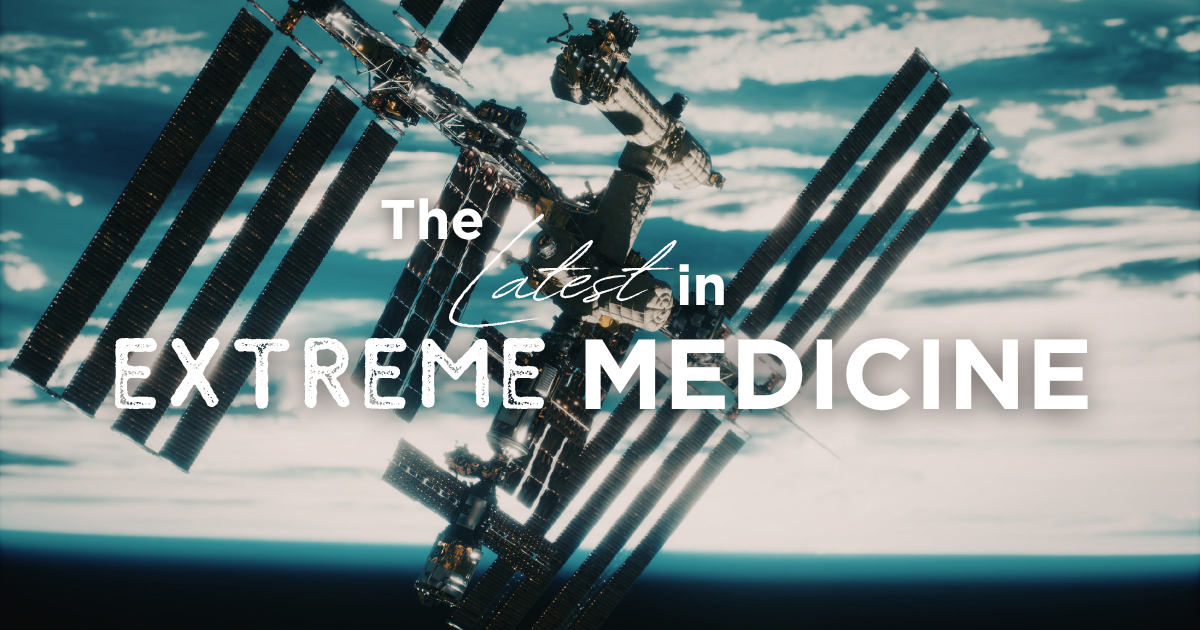
A brief look at the latest updates, stories, and course news now live on the WEM site and News Hub… with a slightly unplanned lean towards space this time (we’re rolling with it). |
|
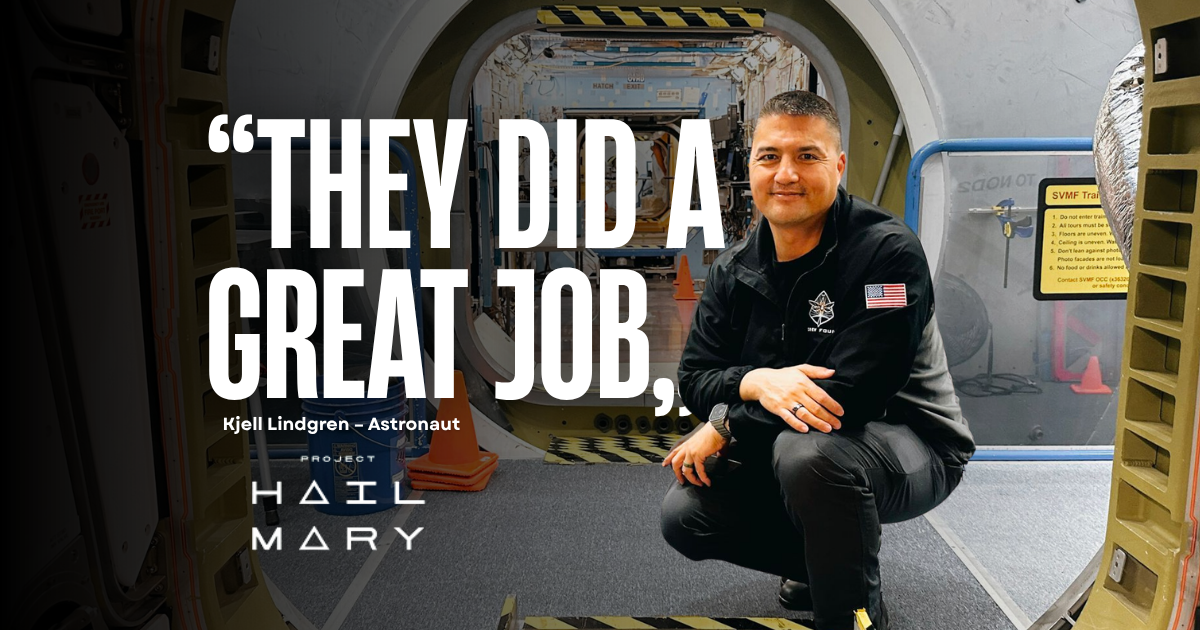
What does Project Hail Mary actually get right about space medicine? |
|
With the release of Project Hail Mary, attention has turned to the science behind space travel, but the real story lies in something deeper.
This blog explores how space medicine isn’t just about the environment, but about human performance under pressure, decision-making without backup, and what happens when there’s no way out.
Featuring insight from astronaut and WEM faculty member Kjell Lindgren, we break down what the film gets right, and why these lessons matter just as much on Earth as they do in orbit.
|
|
|
|
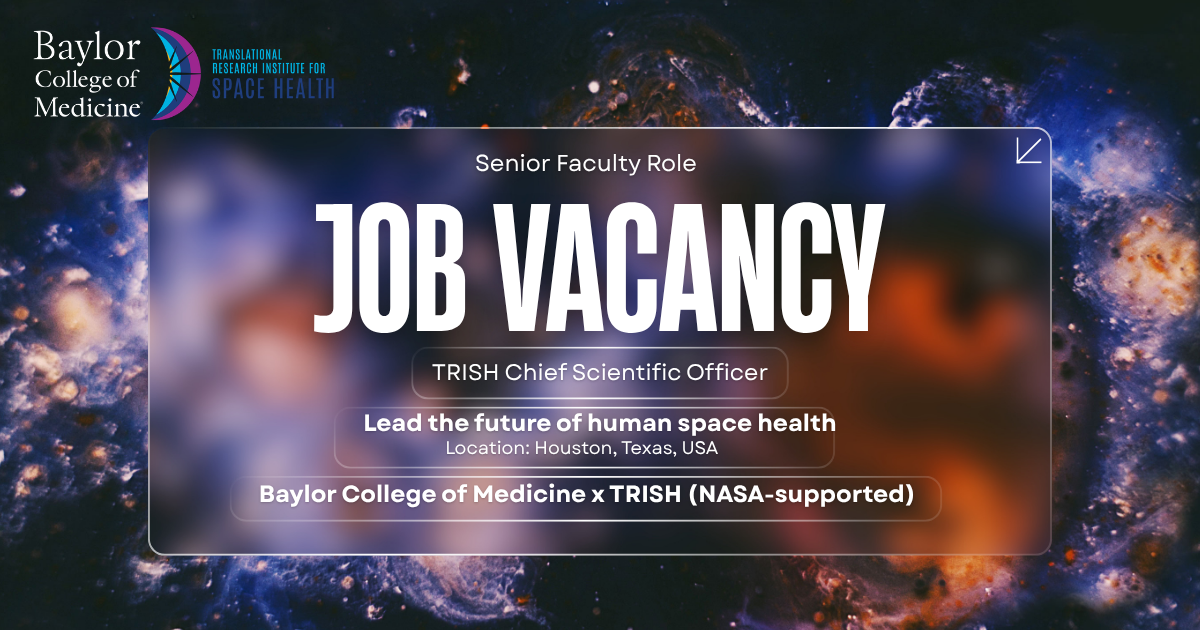
Senior Faculty Opportunity in Space Medicine (NASA-supported TRISH)
|
|
Baylor College of Medicine is recruiting a Senior Faculty member to take on the role of Chief Scientist for the Translational Research Institute for Space Health (TRISH), a NASA-supported initiative advancing human health in spaceflight.
This leadership role focuses on translating cutting-edge research into practical solutions for human performance in extreme environments, from low Earth orbit to deep space missions.
Baylor College of Medicine is an Equal Opportunity/Affirmative Action/Equal Access Employer. |
|
Research Spotlight: What happens to the heart in space, and can we predict it before it happens? |
|
This new research explores the concept of a “digital heart twin”, a simulation model designed to understand how the cardiovascular system adapts during long-duration space missions.
By modelling the heart across Earth, Martian, and microgravity conditions, the study highlights how reduced gravity impacts blood flow, cardiac function, and long-term structural changes, offering a potential framework for predicting risk before it becomes critical.
But the implications don’t stop in orbit.
From remote healthcare to expedition medicine, this research reflects a growing shift towards predictive, data-driven approaches in environments where evacuation isn’t an option.
It’s worth noting this research is currently a preprint and has not yet undergone peer review, meaning findings should be interpreted with appropriate caution.
|
|
You made it to the bottom! |
|
Thanks for reading.
As a little thank you, we wanted to share something with you first...
We’re currently putting the final touches on two exciting developments, both of which you may have seen mentioned in previous newsletters.
The first is a brand new event set in Finse, Norway, March 2027. which may include a range of activities (like skiing, yoga..), practical workshops, and a curated selection of adventure films, all brought together in one unforgettable setting.
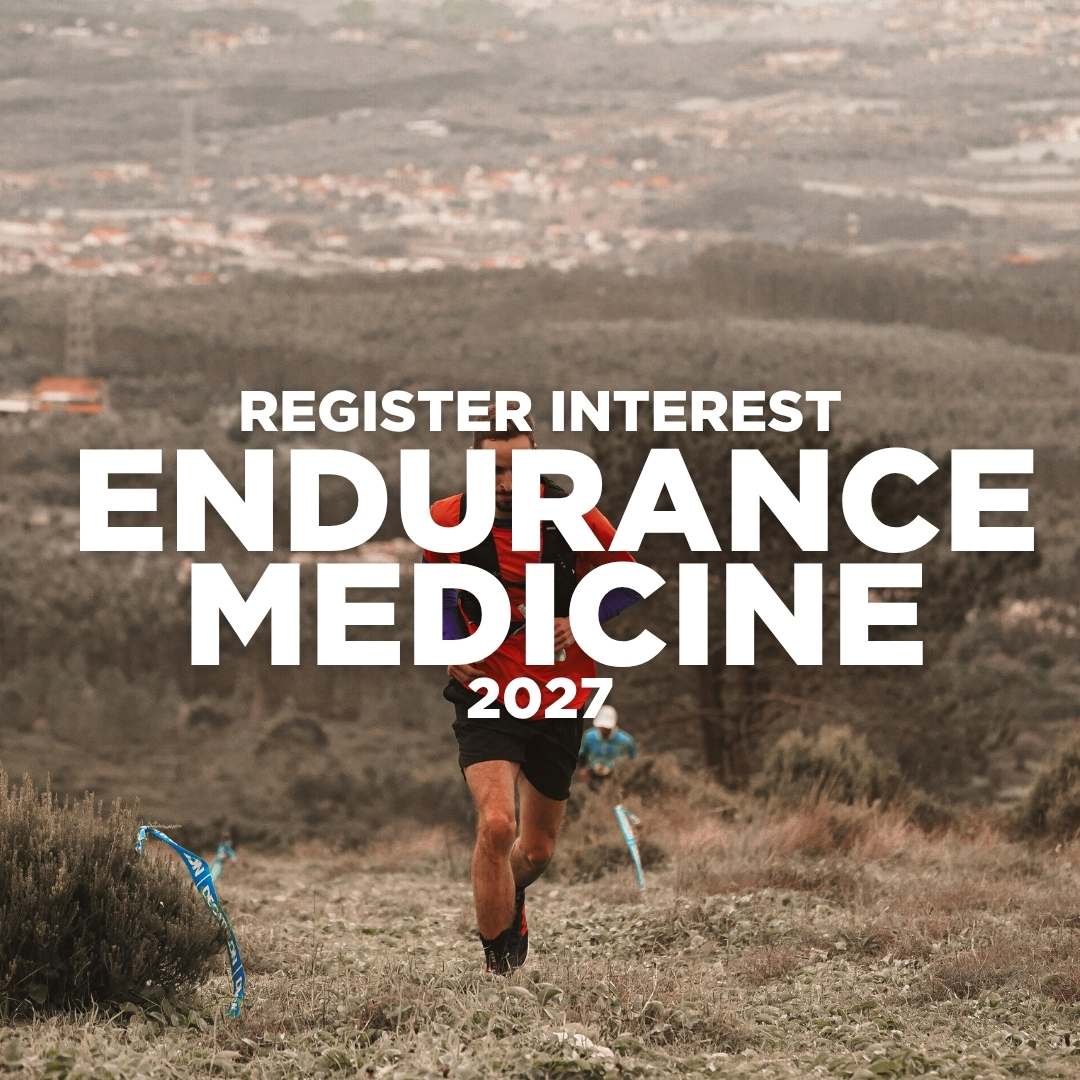
The second is the return of our Endurance Medicine Course for 2027. After the response from our community, it’s clear this is something that deserves a place back in our course calendar, and we’re working behind the scenes to bring it back stronger than ever.
If either of these has caught your attention, you can register your interest below to be the first to hear when bookings open! |
|
|
|
World Extreme Medicine. Weycroft House Weycroft Avenue, Axminster. Devon. EX13 5HU. United Kingdom
You are receiving this email because you opted in to hear from World Extreme Medicine. We do our best to keep our updates relevant and avoid overwhelming your inbox. If you would prefer not to receive future communications, please use the unsubscribe link below.
|
|
|
|
|
|