|
Keeping you informed about community-led research - for a more inclusive and equitable Aotearoa.
|
|
|
|
|
|
Nau mai haere mai
Whakatairangatia i te mana o te rangahau ā-hāpori me te mahi tahi
Upholding the mana of community knowledge - together |
|
|
|
Our thoughts are with all those impacted by Cyclone Vaianu over the weekend, and with those who continue to feel its effects. Once again, our communities have faced another severe weather event. While Aotearoa was not hit as hard as initially forecast, for those affected the impacts will be significant and long lasting.
A big highlight for March was the Te Tiriti Based Futures online conference, which created space for rich discussion about what it means to truly honour Te Tiriti o Waitangi in practice — now and into the future. If you missed the live sessions you'll soon be able to watch the recorded versions on their You Tube Channel.
We were also pleased to join others in the community to celebrate the launch of Tūao Aotearoa | Volunteering NZ’s 'State of the Decade' report. This report offers insights and changes in trends in the role of volunteering. As well as looking at the opportunities and challenges facing those who give their time and energy to support others, the report is a great prompt for those of us who rely on volunteers to think strategically about how we can attract, retain and support our volunteers. The role of volunteers is important at all levels throughout our society, not just for strengthening individual wellbeing and building connections, but for the vital contribution volunteers play in fostering social cohesion and community resilience.
Nā Lorna. |
|
|
|
Help us to help you - our 2026 check-in surveyWe invite you to provide your thoughts and feedback about Community Research and our activities over the past year by completing a short 6-8 minute survey. Understanding if and how our activities and content is useful to researchers and communities is fundamental for how we do our work. The feedback from our annual check-in survey helps us to plan better, do less of what isn't useful, and focus more on what is of value to community researchers, knowledge makers and the communities and decision-makers who use this evidence. We really value hearing from you to help ensure that what we do provides the best value that it can. All survey responses are provided anonymously. Thank you very much to those of you who are able to take the few minutes needed to participate. Fill out the survey form here. |
|
|
|
| | Earlier this year, Community Research had the pleasure of attending the 2026 Te Punaha Matatini Capital City Complex Systems Symposium where we recorded two of the keynote presentations to share with our audience. These presentations are now availabe to watch.
When Te Ruru calls, the system must listen - Tanya Allport and Tom Johnson (Whakauae Research)
In this presentation, Tom Johnson and Tanya Allport explore how place-based Indigenous frameworks, particularly those grounded in Māori knowledge, are reshaping the study of complexity.
They introduce Te Ruru, a place-based systems change framework developed within the rohe of Whanganui and the specific context of Ngāti Hauiti. Emerging from Kaupapa Māori health research at Whakauae, Te Ruru supports research that communities can recognise, carry, and use: research that is accountable to place, grounded in relationship, and responsive to the rohe of Ngāti Hauiti.
You can watch this presentation here.
Ūkaipō: A networked Indigenous approach to research, place and photographic representation - Rodrigo Hill and Tom Roa (Te Whare Wānanga o Waikato)
In this presentation, Rodrigo Hill and Tom Roa utilise photography to explore Ūkaipō, a layered and complex indigenous concept.
They take us on their journey of wānanga, connection and the sharing of mātauranga, highlighting individual and shared understandings of ūkaipō through photography.
You can watch this presentation here. |
|
|
|
Equity and participatory democracies
Following on from the completion of a scoping exercise for this potential strand of Community Research mahi, we are developing an on-going project approach and plan. Thanks to everyone who has participated in our targeted discussion awheawhe to date. Our draft focus for this work is to share and highlight diverse community knowledge/evidence through a range of formats to: - empower communities to participate in democracy (in all its forms)
- consolidate Te Tiriti, recognition of historic and contemporary systemic biases, and the value of pluralistic paradigms as part of understanding equity and achieving effective outcomes as a counter-narrative to generic “one size fits all" oriented approaches.
We are keen to progress and widen our whakaaro and kōrero with other people and organisations working in this area to either work together or as an opportunity to amplify existing initiatives. You can get in touch with us by sending an email to Lorna - manager@communityresearch.org.nz |
|
Te Auaha Pito Mata Awards 2026 - Nominations now closed
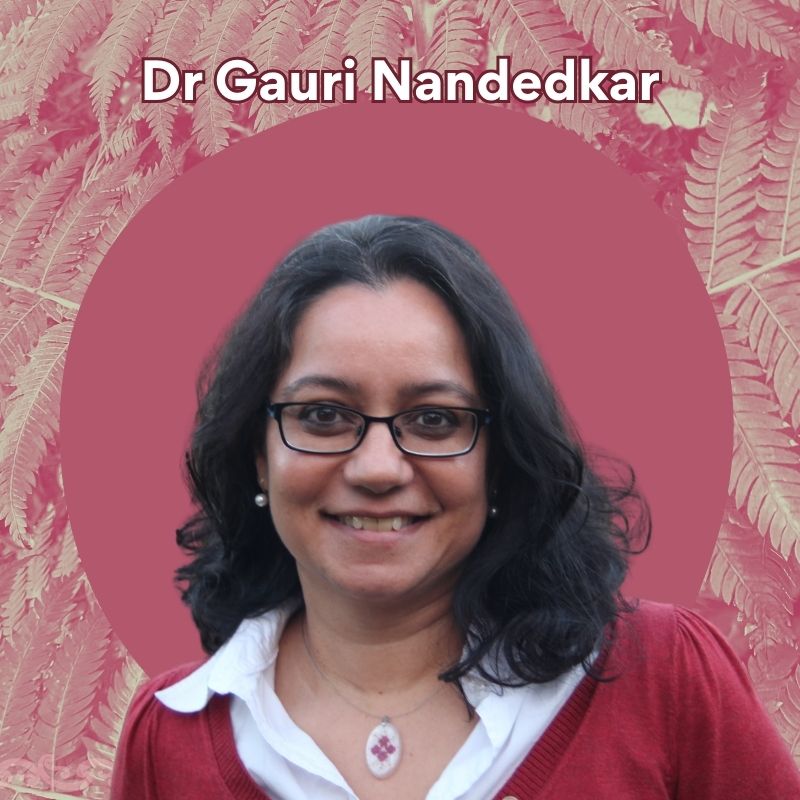
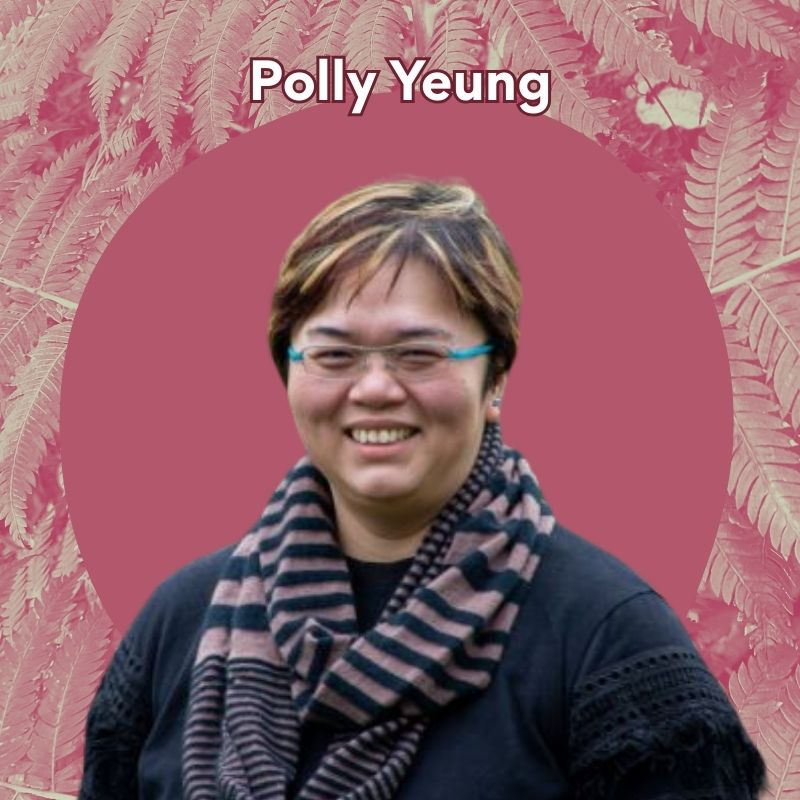
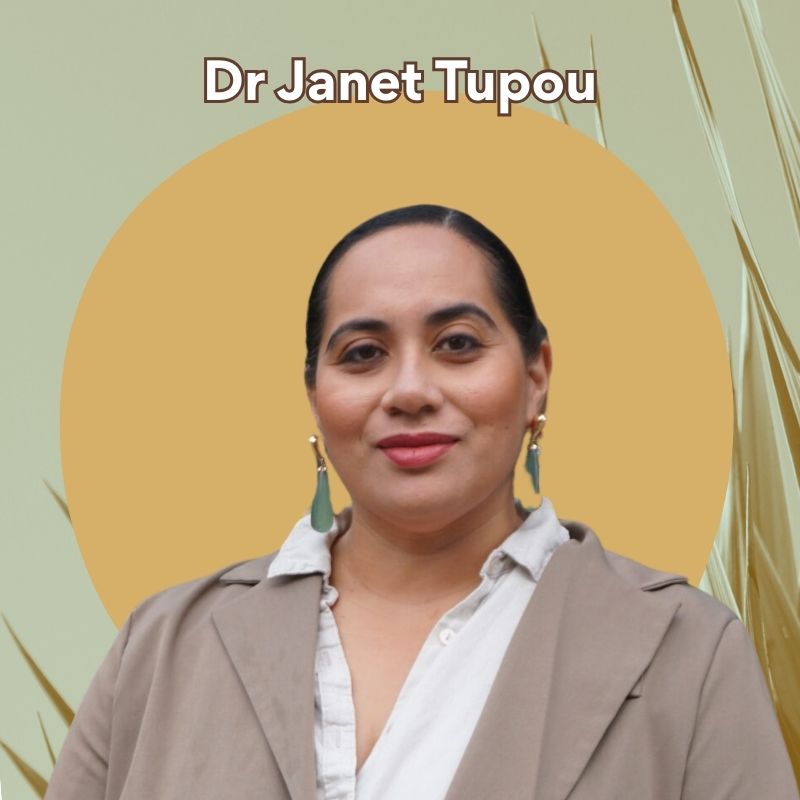
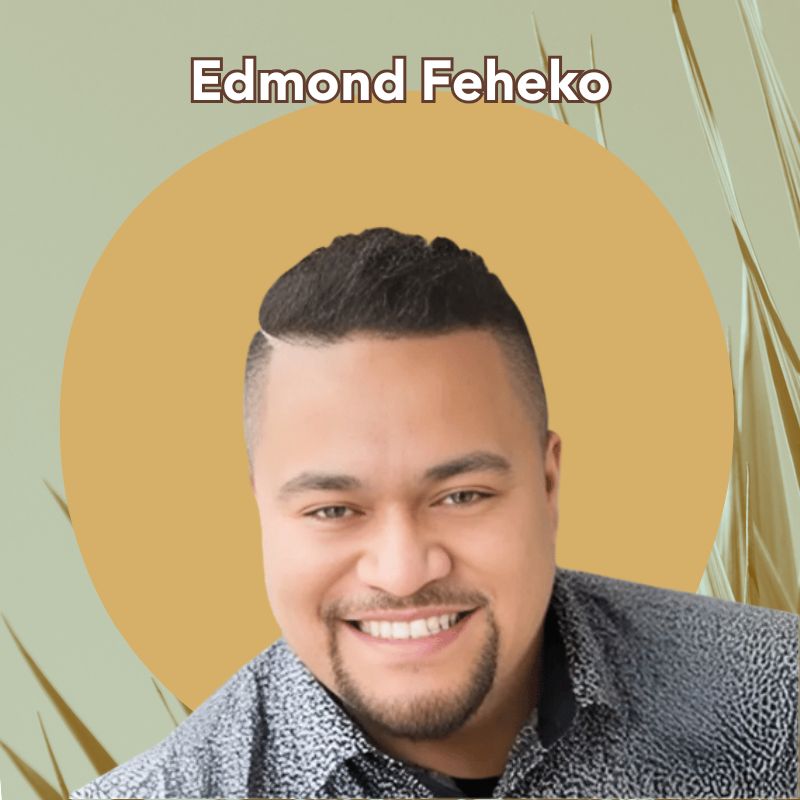
Nominations for our 2026 Te Auaha Pito Mata Awards have now closed. We have had some incredible work submitted and our judges are busy reviewing the nominations now. We’re grateful to each of our judges for offering their time, expertise, and whakaaro to support and uplift emerging researchers across Aotearoa. |
|
|
|
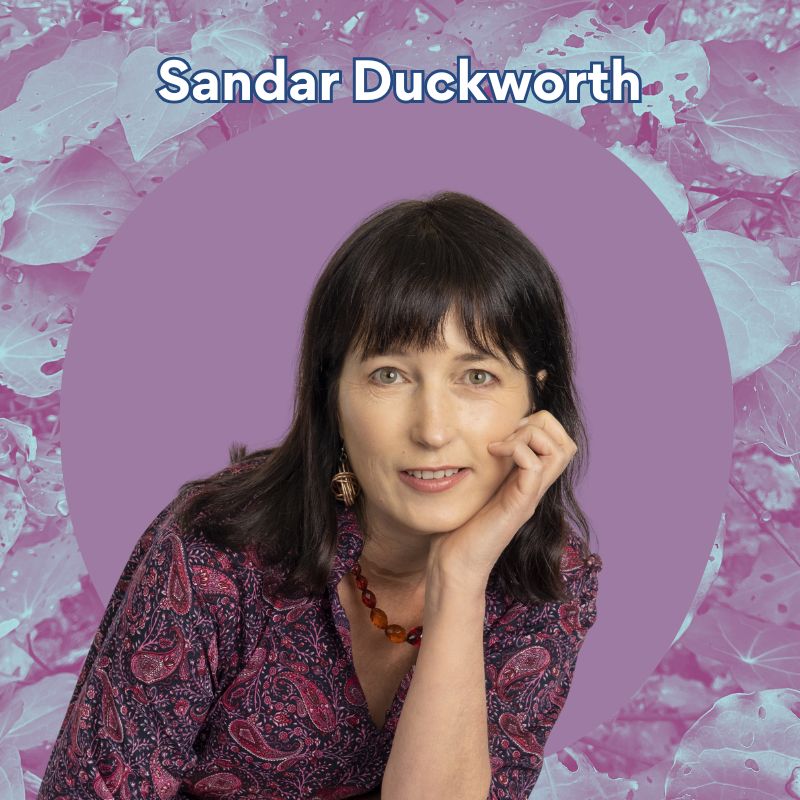
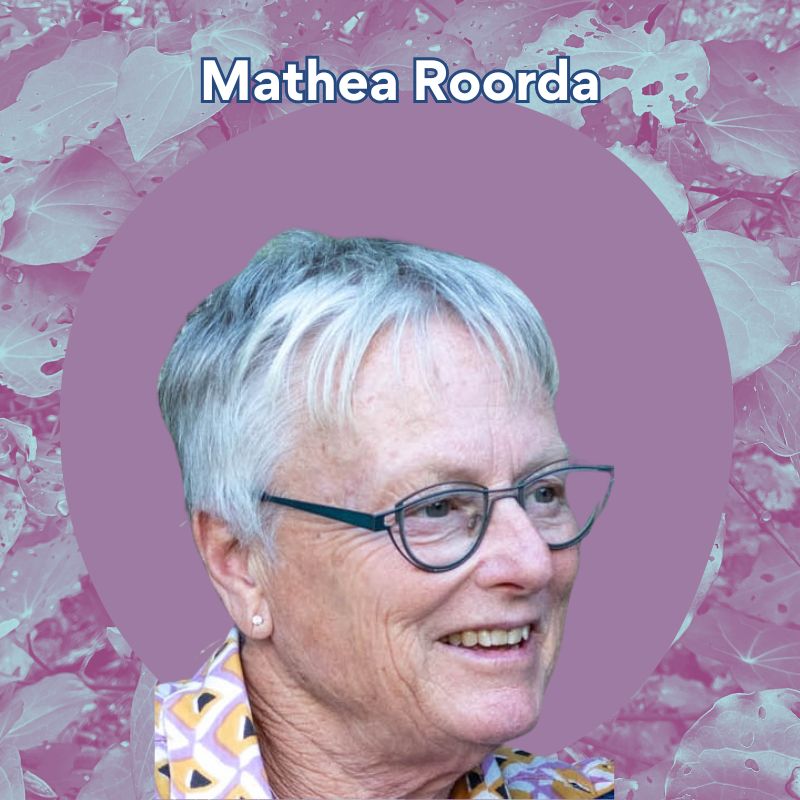
Guest Judges - Tangata Whenua Community Researcher Award |
|
|
|
Guest Judges - Ethnic Community Research Award |
|
|
|
Guest Judges - Pasifika Community Research Award |
|
|
|
Guest Judges - Community Researcher / Evaluator Award |
|
|
|
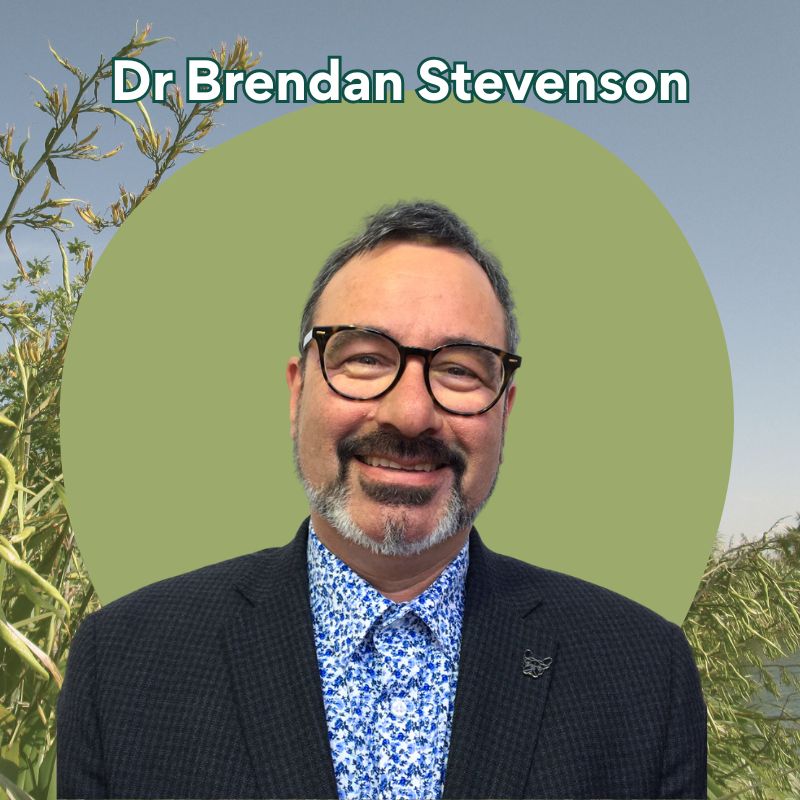
Guest Judges - The Billie Award for a strengths based approach |
|
|
|
We are grateful to those who have partnered with us to celebrate new and emerging community researchers
|
|
|
|
| | Tangata Whenua community researcher award, sponsored by Faculty of Health and Environmental Sciences, Auckland University of Technology |
|
|
|
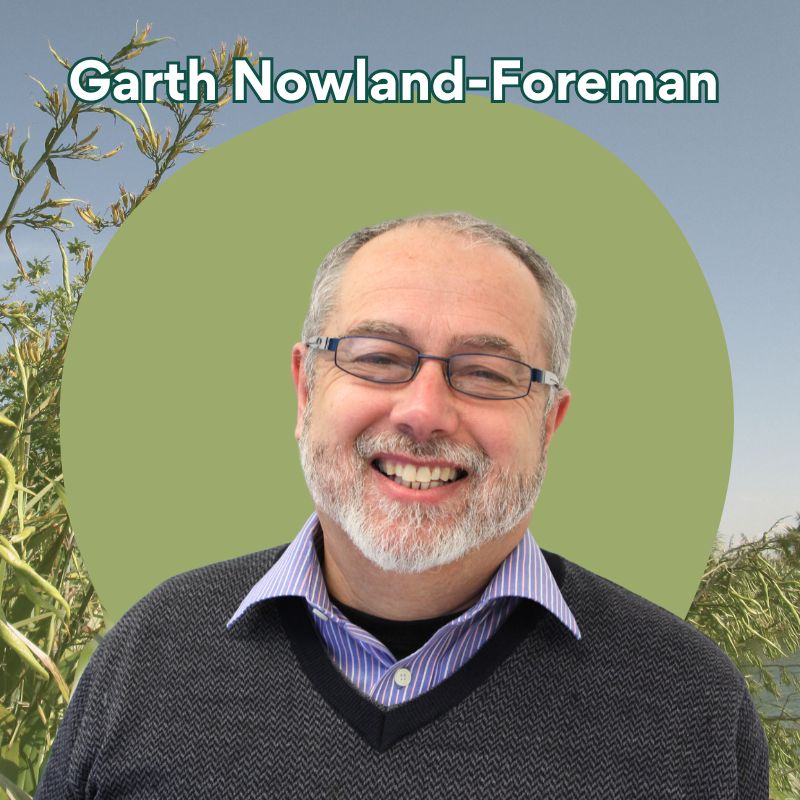
| | The Billie award for strengths based research or evaluation, sponsored by Garth Nowland-Foreman |
|
|
|
Ethnic, former Refugee and Migrant (EfRM) researcher Tautoko sessions
Thanks to those of you who attended the 11 March Tautoko session to help evolve our branding and visibility as a network. It was great to have an opportunity to share whakaaro (thoughts) and work towards a shared logo and graphic. We are sending out a full update to network members.
The next EfRM Tautoko session is scheduled for Thurs, 21 May, 12noon - 1.00pm.
It is envisaged this session will include time for:
- consolidation of the graphics and colour palate
- discussion about the name of the Network
- local area meet-ups, regular updates, and activities for the year
- community researcher priorities - capacity building and community knowledge needs.
A reminder and registration link for the 21 May session will be emailed to Network members and provided in the next edition of Ngā Kete. If you would like to join the Network, please do so here.
Tautoko sessions are held two-monthly with attendance open to both Network and non-Network researchers and allies. They provide a dynamic informal unrecorded space that fosters a collective sense of shared purpose. We celebrate all forms of community-led knowledge-making, whether it’s community-based mahi and mātauranga, or based within organisations, the public service, or academia.
Ngā mihi nui
Bev and Eve |
|
|
|
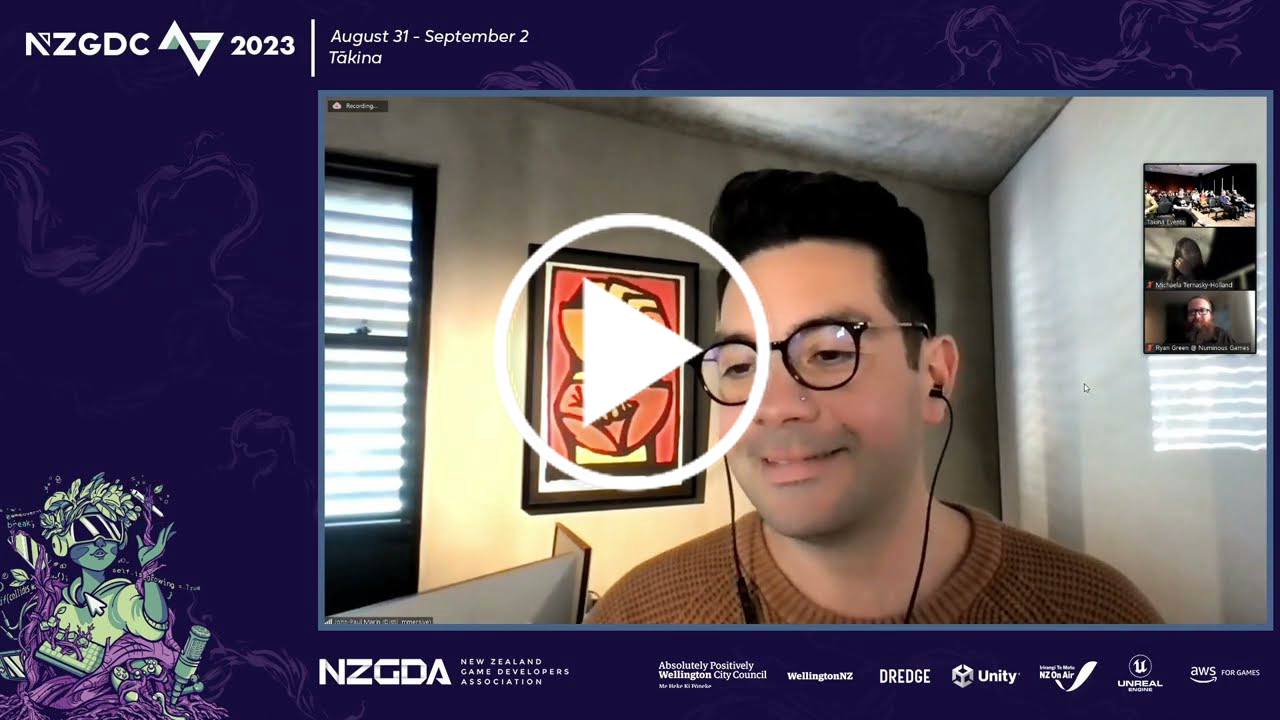
Good With/In Games Spotlight This video from the Good With/In Games special research collection, features speakers talking about the impact of storytelling and how collaboration can be used as part of that process. The talk features Michaele Ternasky-Holland who was part of a project which shared the true stories of people in Hawai'i after a warning of an incoming nuclear missile warning was (incorrectly) issued; Ryan Greenand who co-developed a story around the journey of his son's cancer diagnosis and death, and Kat Lintott who co-led a virtual reality project which sought to make feminine, body-grounding, dance focussed experience to bring balance to the VR genre.
As well as exploring 'non-traditional storytelling', this session explores a number of ways these artists have used collaboration as part of the storytelling. How vulnerable these experiences can be, and how the stories can be returned to the collaborators, and is a great exploration community research.
"…these stories are written onto us and we kind of have to follow that. And so I think releasing control and being generous in those ways are the ways that we discover what really matters." Ryan Greenland
Watch this talk here. |
|
 |
|
|
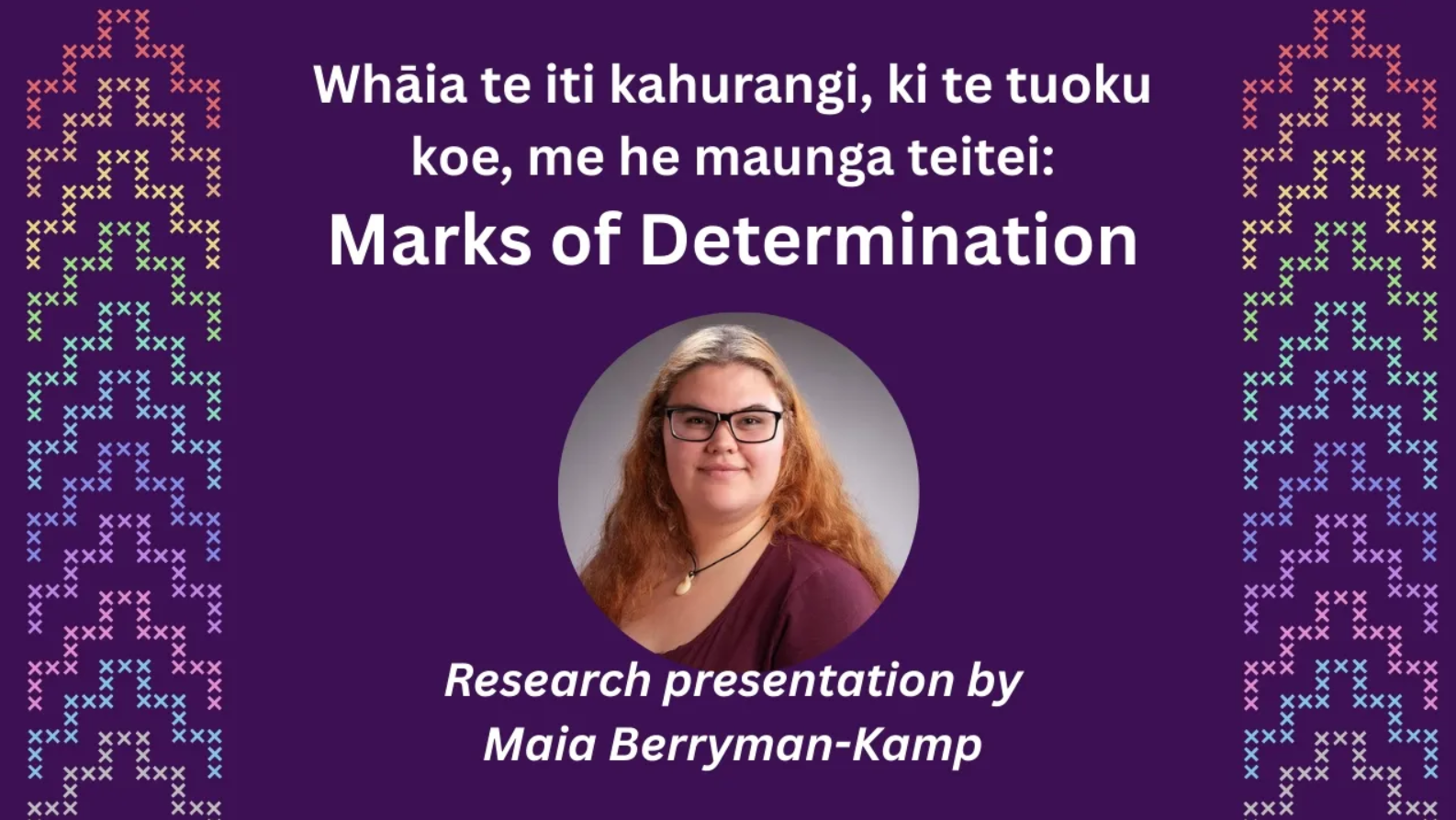
| | Last month we were thrilled to host Maia Berryman-Kamp at one of our LGBTTQIA+ Tautoko sessions, speaking about her research on tattoos, identity, and embodiment. The fascinating talk explores some of the ways identity and the self can evolve and be expressed in relationship with tattoos.
|
|
|
|
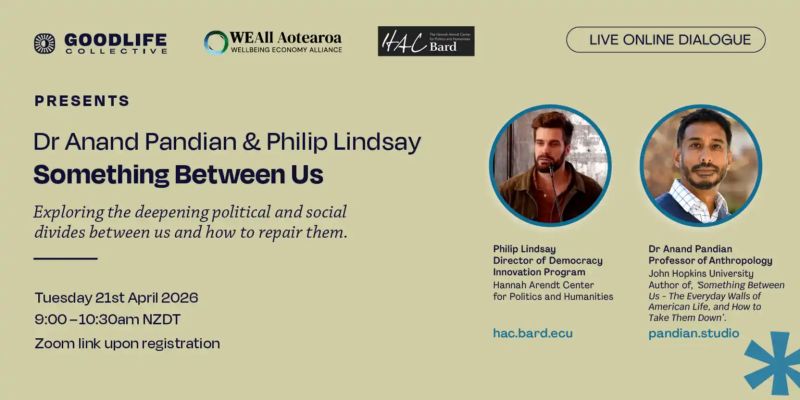
| | Something Between Us: the 'walls' between us and how to take them downCo-hosted by Goodlife Collective and Wellbeing Economy Alliance Aotearoa Tuesday 21st April 9am-10:30am We live in a time of growing division - in our communities, our politics, and our public spaces. But what if the walls between us aren't as fixed as they seem? What hope is there if we can't live together across differences? While so much in the world separates us - our news, our infrastructure, our political debates, algorithms - what connects us? Who's reaching across the divide, and seeking to understand? And what happens when more of us do? As Aotearoa heads toward an election, Goodlife Collective and WEAll invite you to a timely and hopeful conversation about what it means to truly meet across difference. Register for the webinar here. |
|
|
|
| | Ngā Pae o te Māramatanga Matakitenga Research Round
Ngā Pae o te Maramatanga (NPM) is inviting research applications aligned across its Matakitenga Research Framework – with priority given to applications alligned with the excellence cluster of 'Pae Ahurei - Living Uniquely: Cherish and celebrate distinctively Māori futures'. Applications for other Pae – Tawhiti, Ora and Auaha – will also be considered. The lead applicant must be a Māori researcher employed at a NPM partner entity. Applications are welcome from new and emerging researchers. |
|
|
|
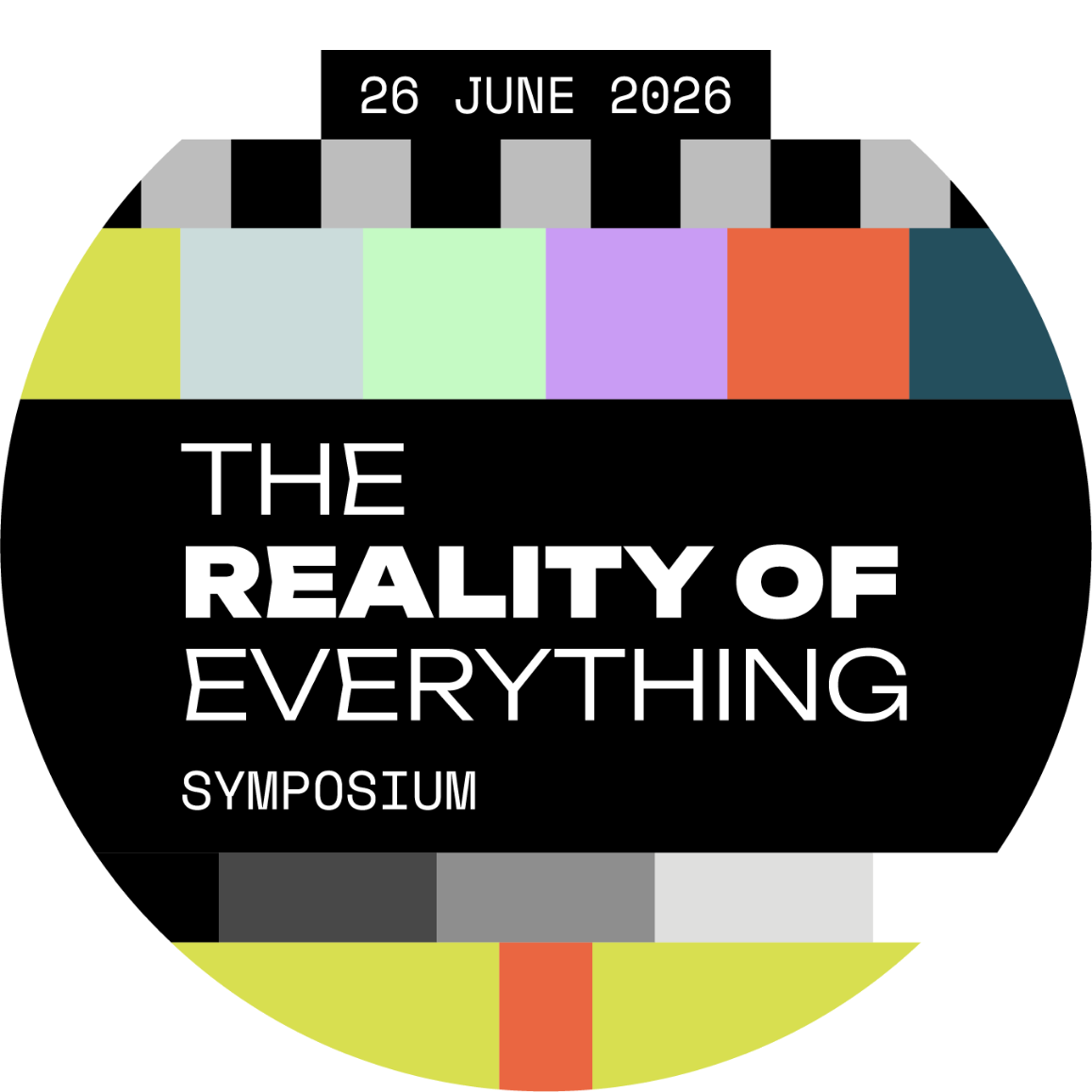
| | The Reality of Everything Symposium - Victoria University of Wellington26th June 2026 A one day symposium bringing together Aotearoa's foremost thinkers on the interconnected crises shaping our future - and what we can do about them. For the first time, this Symposium brings together Aotearoa New Zealand's leading experts on: - the polycrisis - climate change - energy realities - the economy and trade - food security - public health - public finance - deliberative democracy tools and much more. Understand how these critical realities are all interconnected, what is the root cause of the polycrisis, and how together we can take collective action. The symposium sets out to empower New Zealanders through knowledge and awareness, building a critical mass of reality-conscious people across sectors and communities who can amplify this awareness through their spheres of influence. Register for the symposium here. |
|
|
|
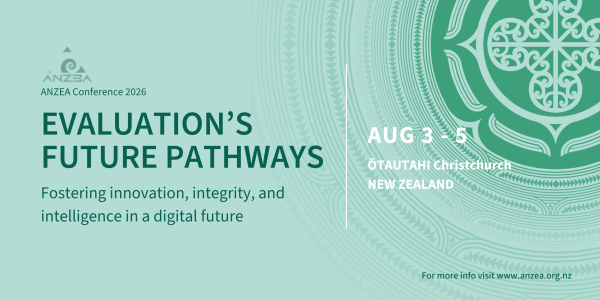
| | ANZEA Conference 2026 - Evaluation's future pathways: fostering innovation, integrity, and intelligence in a digital future.
3rd - 5th August
Ōtautahi Christchurch
This year's theme invites us to imagine the future of evaluation by strengthening what only humans can do – our judgement, ethics, relationships, creativity, and storytelling – alongside new tools and technologies.
We’ll be exploring three intertwined “I”s:
Innovation – experimenting with new approaches, roles, and tools (including AI) in ways that respond to real‑world complexity and community priorities, not just trends.
Integrity – holding fast to evaluation ethics, mana‑enhancing practice, Te Tiriti commitments, and cultural responsiveness as the ground we stand on.
Intelligence – valuing human insight, wisdom, and sense‑making: reading context, navigating power, building trust, and weaving findings into stories that move people to action.
At the heart of ANZEA 2026 is a simple idea: evaluation’s future will be shaped less by the tools we use, and more by the kind of humans we choose to be as evaluators.
Find more information here. |
|
|
|
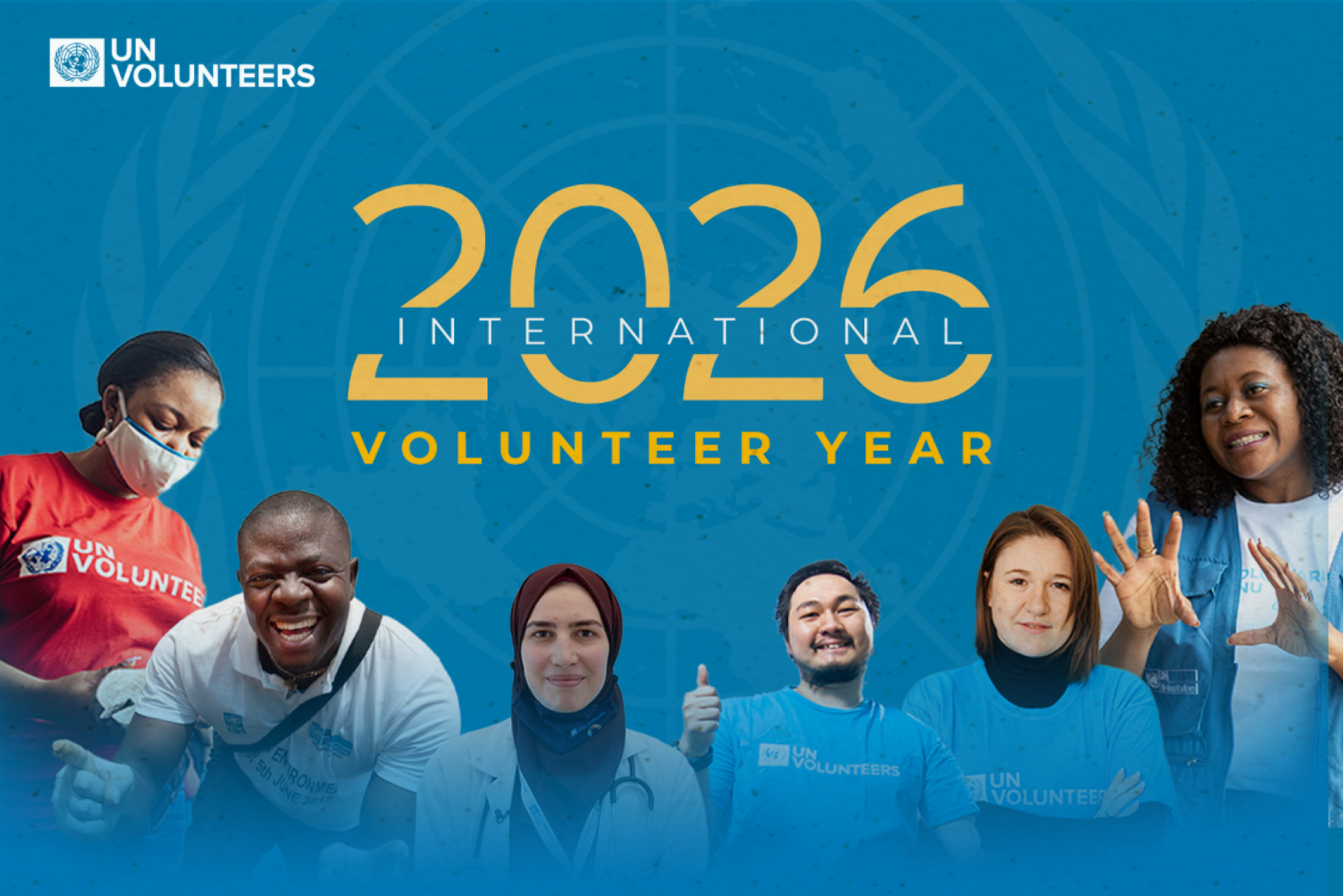
| | International Volunteer Year 2026 (IVY26)
2026 is International Volunteer Year (IVY26) – as declared by the UN General Assembly. Volunteering New Zealand and the Volunteer Centres throughout the motu are planning for this significant event.
The previous International Year of the Volunteer was in 2001, 25 years ago, when Volunteering New Zealand was created. We are proud to be marking 25 years of volunteer support in Aotearoa, New Zealand. Read, Get Ready for International Volunteer Year 2026.
Volunteering New Zealand supports the global Call to Action for the future of volunteering. Read, A Call to Action for the future of volunteering.
IVY 2026 is an opportunity to emphasise the power of volunteering, encourage greater investment in volunteering, and secure commitments from governments and others to support volunteering. Volunteering New Zealand will be asking the community and voluntary sector to co-design our IVY26 Call to Action. |
|
|
|
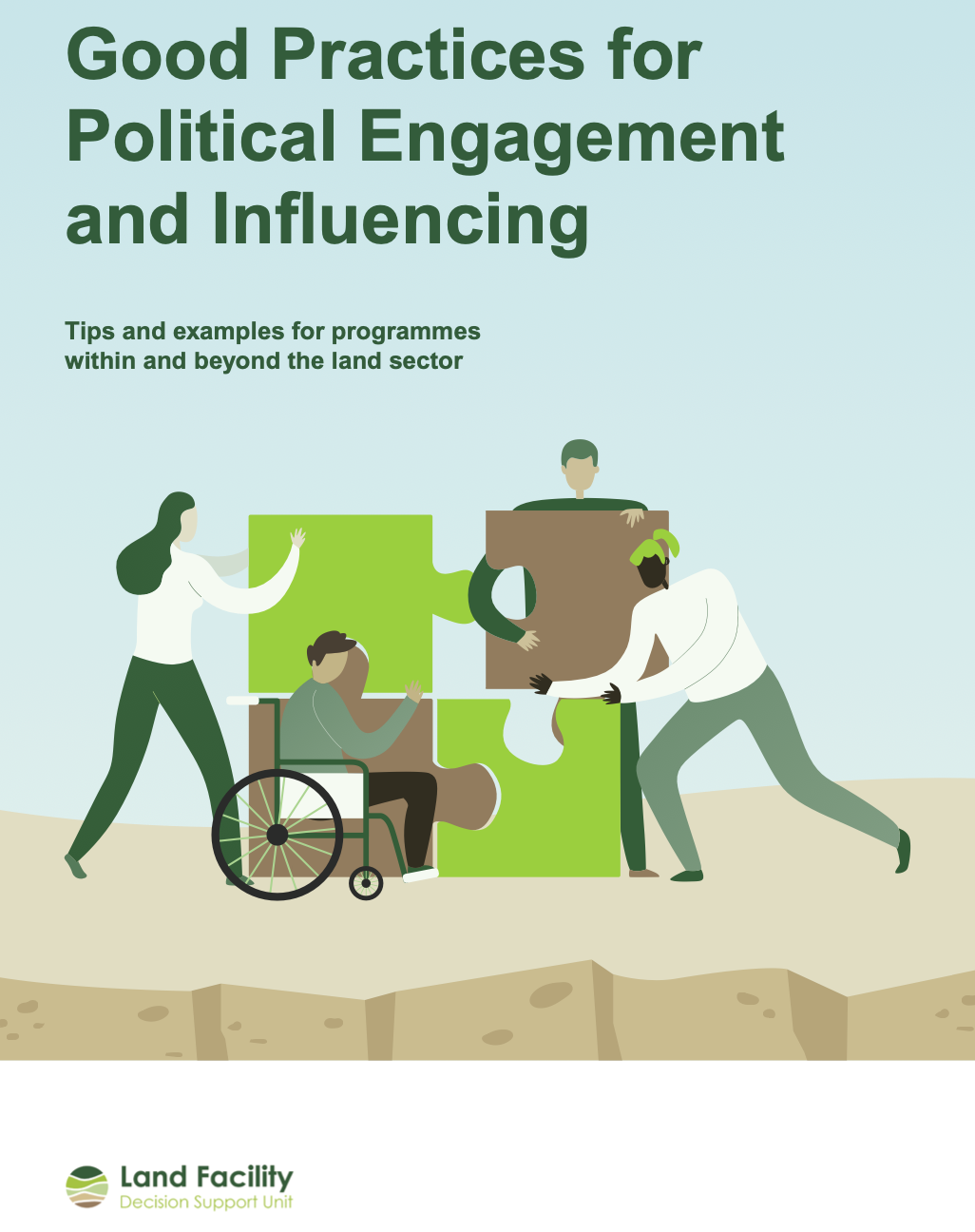
| | This resource is based on a review of literature and practical resources on policy influencing and engagement and includes diverse examples of engagement approaches used across the world to influence different policy outcomes in various ways. It illustrates how purposeful, creative and adaptive policy engagement approaches must be grounded in an understanding of the political economy context.
This resource is neither exhaustive nor comprehensive, and it does not recommend any single approach. Rather, practitioners from the land sector and other sectors can use it to draw inspiration from existing influencing tactics, helping them to respond directly to their political economy analysis findings and meet their influencing goals.
|
|
|
|
| | Access Advisors - Free Community Digital Accessibility Workshops
Learn how to make your community content easier for everyone to use. These free, practical workshops will help you create online information that works well for disabled people, older people, and anyone who finds digital tools hard to use.
You will learn simple, useful skills you can use straight away. Participants will leave these sessions with clear next steps, practical tools, and confidence to implement accessibility beyond immediate content fixes. The focus is on sustainable, real-world application, fostering inclusive practices across the organisation.
- Easy steps to make your websites, documents, and social media more accessible
- Real examples and hands-on activities
- Advice you can use the same day
- A friendly space to ask questions
- Free resources to take away.
Register here to attend one of these workshops. |
|
|
|
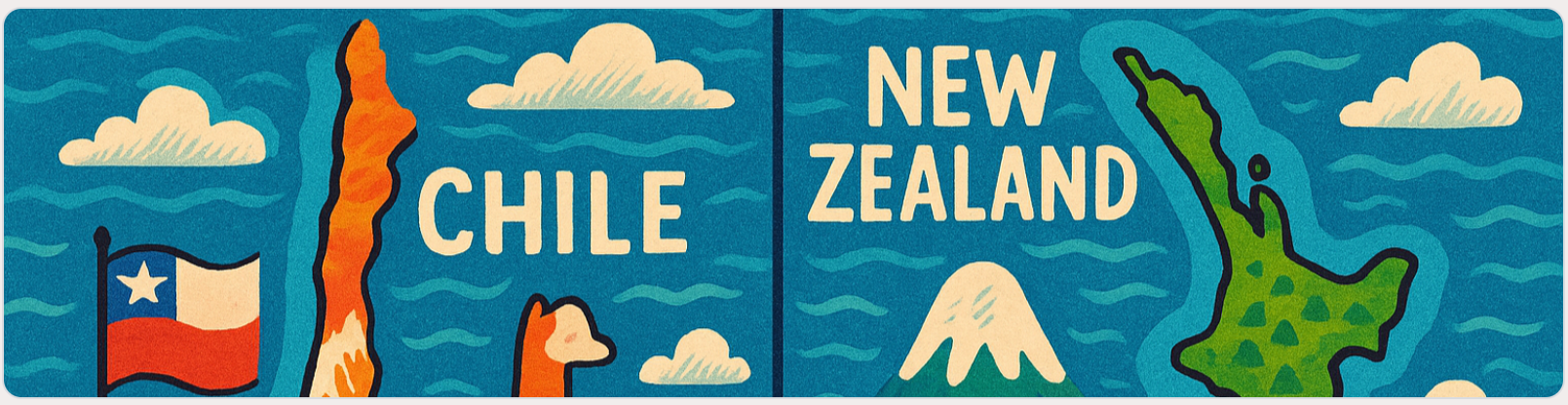
'Health of Migrants and Refugees' webinar series: 'Catalyzing research evidence exchange between Chile and New Zealand.'
A six-part webinar series running through to May 2026 exploring migrant and refugee health through a trans-Pacific lens. Despite geographic distance, Chile and Aotearoa New Zealand share key parallels in healthcare systems, social policies, and public health challenges, making this a rich opportunity for comparative learning and collaboration. - Webinar 5: NZ: 15th Apr 2026 @ 11am
Bodies, sexuality and gender issues in healthcare among young migrant populations in New Zealand and Chile: Evidence-based lessons and challenges - Webinar 6: NZ: 13th May 2026 @ 11am
Sense of self and coping strategies towards loneliness among migrant populations in New Zealand and Chile: Evidence-based lessons and challenges
Register for the remaining webinars here. |
|
|
|
Our vision is a more equitable, engaged and inclusive Aotearoa informed by community knowledge.
Ko ta mātou whakakitenga he Aotearoa e tōkeke ana, e whai kiko ana, e whakamohio mai ana e te matauranga hapori.
Our Commitment:
We provide our services free of charge to support tangata whenua, and the voluntary and community sectors. Community Research is a registered charity, sustained by donations and grants.
Your Support Matters:
If you value our work, please consider making a donation. Your contribution helps us continue to foster a more connected and informed Aotearoa. |
|
|
|
|
|