Welcome.
This monthly e-shot shares the latest information on Communities that Work, highlights some of our members' outstanding work, and keeps you informed about upcoming events.
This edition highlights JobsPlus's national recognition from The Guardian and Sky News, and the growing impact of community-led employment support. We look ahead to a few upcoming useful events, and our Spotlight features excellent work from believe housing, one of the north east's largest housing associations.
|
|
JobsPlus featured in The Guardian. |
|
Communities that Work had the privilege of welcoming Heather Stewart, writer for The Guardian, to our Stockton JobsPlus Site. Heather's article was published between Christmas and New Year and showcased the success the Stockton site has achieved in helping the local community.
The article shines a spotlight on JobsPlus' place-based, community-led model, which embeds employment support directly within neighbourhoods. Rather than relying on traditional, centralised employment services, JobsPlus works by building trusted relationships locally, offering tailored, one-to-one support that reflects people's lived experiences and the specific challenges they face.
The article highlights how JobsPlus coaches support residents with everything from CV writing and job applications to interview preparation, confidence-building and ongoing mentoring once people move into work.
Since launching in Stockton, JobsPlus has seen over 1,000 residents sign up, with hundreds moving into employment so far. Beyond job outcomes, the programme is also having a wider impact by helping to rebuild confidence, strengthen social connections and foster a renewed sense of pride within local communities. The article features residents who have gone on to become advocates for JobsPlus, encouraging neighbours to engage and benefit from the support available.
We are grateful to the residents and local partners who shared their experiences so openly, and whose contributions helped bring the story of JobsPlus to life. Coverage like this helps underline the value of locally rooted employment support and the importance of securing investment to continue strengthening both individuals and communities.
|
|
JobsPlus featured on Sky News. |
|
In addition to the Guardian article, we were also delighted to see Sky News reporting recently on the rising challenges in the UK labour market and highlighting the impact that JobsPlus is having in response.
With national unemployment rising to 5.1% and job vacancies continuing to fall, the Sky News report visited our JobsPlus pilot sites in Leyton and Birkenhead to hear directly from participants, coaches and local partners about how our place-based employment support model is working on the ground.
Stakeholders featured in the report spoke to the value of this neighbourhood-focused model, with positive examples from Leyton and Birkenhead showing how participants are being supported through every stage of their job-search journey.
At Communities that Work, we believe that meaningful employment support must go beyond short-term job placement. JobsPlus is proving that community-rooted support can rebuild local labour markets, strengthen social networks, and create real opportunities for residents.
We are incredibly proud of what the programme has achieved so far and remain fully committed to continuing this work and to securing a national rollout of JobsPlus in the years ahead.
Calvin Bailey visits Leyton JobsPlus
Calvin Bailey MP visited our Leyton JobsPlus site in December as the local MP for Leyton and Wanstead. This was a great opportunity to show Calvin around the site and introduce him to the local community. Having visited the site previously, Calvin is a big advocate for the work being done in his constituency and we look forward to working with Calvin and other MPs as we seek to secure JobsPlus funding long-term.
|
|
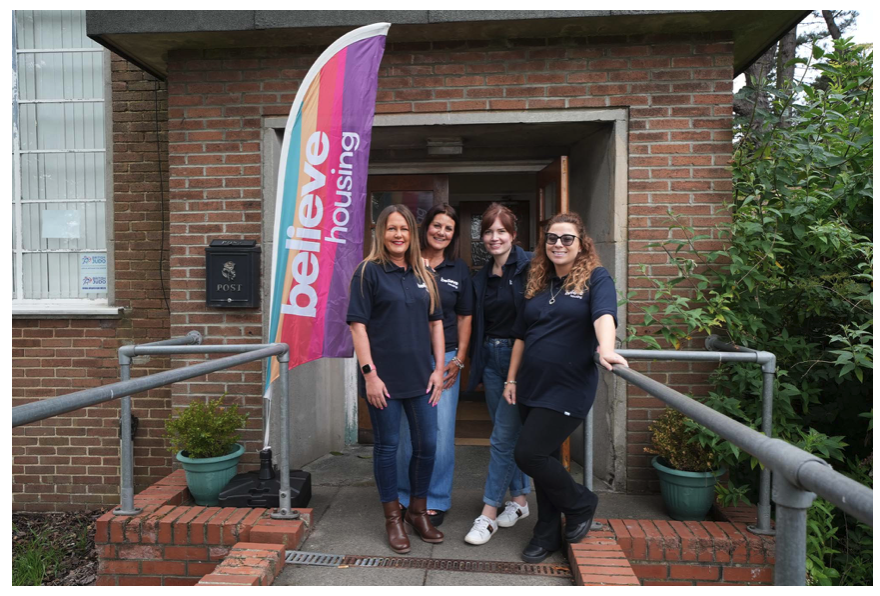
Communities that Work is thrilled to start the new year with a fantastic spotlight on the work at believe housing in the northeast. The team are working right across communities delivering trusted, impactful services for the long term.
believe housing's Employability Team is breaking barriers to improve lives
At believe housing – one of the largest housing associations in the northeast of England with more than 18,000 homes - employability support is about much more than helping customers into jobs.
For us, it's about breaking down barriers, building confidence, and supporting wellbeing. From one-to-one guidance to collaborative initiatives, we help people living in our homes and communities to take steps towards work, training, and financial stability.
Support that starts with people
Our dedicated Employability Team takes a person-centred approach, starting with what matters most to each individual. We meet people in a variety of ways – through self-referrals, referrals from other believe housing teams or external agencies, and by engaging with jobseekers at outreach sessions, job clubs and career fairs in community venues across the county.
We take time to understand what people need and what they hope to achieve, then work together to make it happen. Whether someone wants paid work, training, volunteering, or even to start a business, we offer friendly, personalised guidance. This includes job searches, CV writing, interview preparation, funded training, and help with travel or work clothing costs.
For those already in work, we can help people find long-lasting, better-paid employment. And for those further from the jobs market, we can connect them with training and volunteering opportunities to build skills, experience, and confidence.
The results speak for themselves: in 2024/25, we supported 131 people into secure, sustained employment and generated more than £1.1 million in social value.
Beyond jobs, we've connected customers with foodbanks, debt advice, mental health services, and even helped tackle rent arrears – giving people the stability to move forward.
|
|
Working together for greater impact
We don't work in isolation. As a founding member of the Durham Employability Consortium (DEC) and an active partner in the Housing Employment Network North East (HENNE), we collaborate with housing providers, businesses, and voluntary organisations to tackle economic inactivity head-on. These networks connect tenants and residents with local labour markets, address skills shortages, and ensure people have access to holistic support – from training and volunteering to real job opportunities.
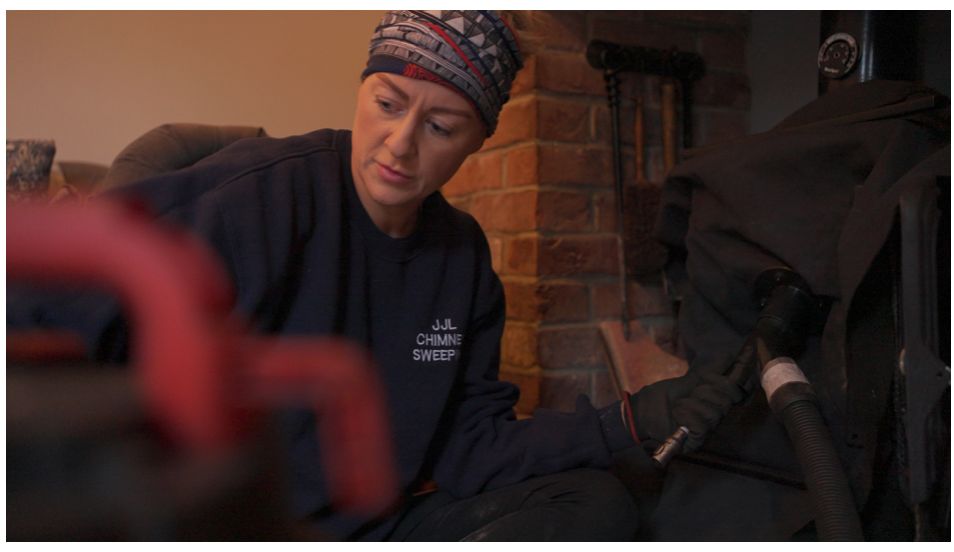
Partnerships also make individual success stories possible. For example, we worked alongside Durham County Council to help our customer Lydia, a single mam of two, set up her own chimney sweeping business. Through tailored advice, training, and funding support, Lydia turned her ambition into reality.
She said: "They gave me confidence to do it – I felt like someone had my back."
Today, Lydia is thriving as her own boss, breaking stereotypes in a traditionally maledominated trade, and her business is going strong. She loves the work and says it's boosting her social and mental wellbeing.
|
|
Creating inclusive opportunities
One standout initiative is New Start, developed by members of HENNE. Through this programme, we've offered six-month paid placements within our own workforce for people who may lack formal experience but have the potential to thrive. Each participant receives wraparound support, training, and a guaranteed interview at the end of their contract.
Take Simon Harris, for example. After 17 years out of work caring for his late partner, Simon feared his time away – and his distinctive punk style – would hold him back. Through New Start, he joined us as a Social Value Administrator in the Procurement Team. With the flexibility, training, and encouragement the placement provided, Simon has become a valued permanent member of the team.
He says: "I was a little bit worried after years away from work and changing career but with the right role and support, which believe housing provided, I could take the opportunity and am so glad I did.
"The role suits me exactly. It fits with my belief in giving something back — the punk community in this region does a lot of fundraising."
|
|
Extending support beyond our homes
Traditionally, our employability services focused on people living in our homes. But growing demand from people outside our homes – and sometimes a reluctance from customers to engage without the support of a friend or neighbour – prompted a new approach. A trial running until March 2026 is widening access to entire neighbourhoods, offering job clubs, digital skills sessions, and outreach in community venues. While some benefits, like travel and work essentials funding, remain exclusive to our customers, the broader offer aims to break down barriers for more economically inactive people.
|
|
Driving regional change Our ambition goes beyond individual success stories. Recently partnering with Durham University Business School through the Social Science Enterprise Lab, we explored why County Durham has one of the highest rates of economic inactivity in the UK. The research revealed complex barriers – from health inequalities and stigma to digital exclusion – and proposed practical pathways for progress, including holistic services and inclusive work options. Rachel Edmunds, our Corporate Social Responsibility Manager, says: "Through these pathways, economically inactive tenants can begin to participate, connect with support services, and ultimately thrive in a meaningful and sustainable way. Helping people move towards economic activity is central to our role as a housing association; improving lives through healthy, affordable homes and stronger communities. This project provides valuable insight into the barriers people face and how we can all work together to remove them." Read more here: Social Science Enterprise Lab and believe housing report on economic inactivity - Durham University Business School More than jobs – a future of opportunity By sharing expertise, creating inclusive opportunities, and working with partners, we're building an infrastructure of opportunity that benefits everyone. It's about boosting local wealth, tackling poverty, and giving people the tools and confidence to take control of their future. For more information, visit the believe housing website: county durham housing association: providing affordable homes
BIG thanks to believe housing!
|
|
Reforms to welfare system set to save £1.9 billion by the end of 2030/31 , 18th December
The Government has unveiled a package of welfare reforms designed to make the welfare system more sustainable, support individuals into work and deliver value for taxpayers. The measures are expected to save around £1.9 billion by the end of the 2030/31 financial year.
A core focus of the changes is tackling the backlog of people awaiting Work Capability Assessments (WCAs) and increasing the number of assessments conducted face-to-face, reversing a shift to mainly remote assessments introduced during the pandemic. This aims to ensure support and eligibility accurately reflect people's health and circumstances.
Housing Sec pledges to 'go further than ever before' to hit 1.5 million homes , 16th December
The Government has launched a major consultation and set out significant planning reforms aimed at accelerating housebuilding and delivering 1,500,000 new homes over the current Parliament.
The Secretary of State, Steve Reed, highlighted that the changes build on earlier revisions to the planning system and are designed to tackle the housing crisis by unlocking land and reducing delays that have historically slowed development. The reforms also aim to support more high-quality homes with the right infrastructure and design standards across regions.
Chancellor Rachel Reeves emphasised that boosting housebuilding is central to economic growth, creating jobs and helping more working families onto the housing ladder.
Alan Milburn calls for a 'movement' to address lost generation of young people not earning or learning as investigation opens , 16th December
The Government has launched an independent investigation into the rising number of young people aged 16-24 who are neither in education, employment nor training (NEET). Former Health Secretary Alan Milburn is leading the review, calling for a national "movement" to bring together young people, practitioners, policymakers and communities to tackle this issue and shape practical solutions.
At the formal launch, Milburn invited stakeholders and the public to contribute through a Call for Evidence, open until 30th January 2026, to help identify the root causes of youth inactivity and barriers to learning and work.
The Secretary of State, Pat McFadden, emphasised the urgency of addressing the issue, noting the Government's recent £1.5 billion investment to expand opportunities through training, apprenticeships and youth employment support. The review aims to inform policy recommendations that open up pathways into education, employment and training for all young people, particularly those facing disadvantage, health challenges or long-term barriers.
|
|
No place like home? The crisis of child homelessness in the UK
Kings College London, 13th January
This will explore the practical, political and long-term solutions needed to end to child homelessness in the UK. Bringing together leading campaigners, journalists, and researchers, it will consider how homelessness and moving into temporary accommodation affects children's education, health and development.
Register now – Retrofit Futures: Workshop to maximise the retrofit workforce
Ashden, 15th January
This is an in-person workshop in Nottingham to build on the E Midlands Retrofit Strategy developed through the Local Area Retrofit Accelerator (LARA) also funded by the MCS Foundation work earlier this year.
Register now – Retrofit Futures: Workshop to maximise the retrofit workforce
Ashden, 26th January
This is an in person workshop in Liverpool to build on the Liverpool City Region Retrofit Strategy developed through the Local Area Retrofit Accelerator (LARA) also funded by the MCS Foundation work earlier this year.
Next Steps for Developing Green Skills and Clean Energy Employment Opportunities in England
UKERC, 27th January
This conference will examine key developments in green skills policy in England.
It will bring stakeholders and policymakers together to discuss the Government's recently published Clean Energy Jobs Plan, looking at issues for implementation and implications for the skills sector, meeting skills needs, and supporting opportunities for quality employment.
|
|
|
|