If you are having trouble viewing this email, please click the following link View in browser |
|
|
|
Celebrating progress, partnership, and our vision of a flourishing river landscape |
|
With summer now in full swing, we’re excited to share the latest Wyescapes projects updates with you.
|
|
Mark Wood, Land Manager and Chair of the Wyescapes Project Board offers this reflection:
We’re now 15 months into scoping and planning Wyescapes Landscape Recovery, and so many people have contributed expertise, energy and care to get us this far. We’re hugely grateful for the time and input from partners, stakeholders, volunteers and farmers – including all the very many forms and surveys that have been diligently completed.
Our farmers and land managers have gone above and beyond developing so many exciting options to enhance environmental and community outcomes whilst sustainably producing food on our productive Herefordshire farmland.
As we move towards submitting our final proposals to Defra later this year, we encourage everyone to keep up the momentum. Wyescapes offers a rare opportunity to deliver lasting benefits for nature, water, food, and farming.
Together, we can create a truly special long-term collaboration, with hugely important outcomes for a landscape that is so precious to us all.
|
|
|
|
Land Management PlanWork continues at pace on both ecological baseline surveys and developing land management opportunities for the additional land that was confirmed to join the project this spring. Behind the scenes, we’re also working hard to understand what permissions and consents will be needed make these plans a reality. We are also determining the measures that will track the environmental outcomes of the project. |
|
| | Blended Finance
Our green finance partners, Accelar, are building a detailed model to show how Wyescapes can be funded using both public and private investment. From July, we’ll start using the new ecological baseline data to calculate the value of natural capital improvement potential for biodiversity, habitats, nutrient neutrality, and carbon.
Wyescapes is a unique opportunity for investors and natural capital buyers to support the restoration of an iconic river landscape. The project offers nature-based investment on a meaningful scale – spanning over 5,000 hectares across Herefordshire with multiple options for high-integrity, UK-based carbon credits, biodiversity uplift, flood and drought mitigation and improved climate resilience for food systems, communities, and nature. |
|
|
|
Opportunities across 70% of project land reviewed so far include: |
|
|
|
Access PlanAccess consultants Blackwood Bayne have been reaching out to parish councils and local groups and organisations using the river corridors for recreation to gather detailed insights into current access and opportunities for improvement. A huge thank-you to everyone who has shared their knowledge so far. If you’d like to contribute local knowledge about access routes in the project area, including popular locations that are well-used and any associated issues, or to give your suggestions including where we might improve accessibility, or river access please email: wyescapes@herefordshireruralhub.co.uk |
|
| | Stakeholder EngagementWe have updated our web page for the project at www.herefordshireruralhub.co.uk/wyescapes We’ve also produced a simple, graphic one-page briefing about the project that is suitable for noticeboards etc – available to download HERE, or you can email us if you need printed copies. We have also been having lots of encouraging meetings with Herefordshire organisations and welcome further ideas for collaboration on community and stakeholder engagement in our project delivery phase - contact our Engagement and Communications Manager. |
|
|
|
Wyescapes Vision and Governance |
|
We want to see river corridor ecology of the Wye and Lugg thriving and resilient by 2046 – with abundant wildlife, restored habitats and healthy waterways. Our aim is that Wyescapes becomes a flagship project for sustainable land use and nature recovery. We want the success of our work in Herefordshire to inspire just land management transitions throughout the Wye catchment and across the UK. You can read more about our environmental and social goals on our website. Ensuring the right governance will be an important element of the long-term delivery of Wyescapes. For implementation, a not-for-profit social enterprise will be created (a Community Interest Company), jointly owned by the participating farmers. The governance details are now being carefully considered, so we can prepare an effective, robust structure. |
|
|
|
A big thankyou to a brilliant team of 18 volunteers currently busy with our bird and pollinator surveys. In addition, five more have recently trained with Herefordshire Wildlife Trust for pond habitat surveys.
So far, highlight bird sightings have included a pair of peregrines near Hampton Bishop, the large sand martin colony at Ballingham and a hoopoe just passing through our Wyescapes project area!
Special thanks from our project Ecologist Esther, goes to Charles, whose help digitising the data has been invaluable! |
|
| | |
|
Help map invasive species - every record counts! |
|
|
|
Invasive species threaten native wildlife, so mapping their spread is key to understanding and tackling the problem.
If you’re out and about in the Wyescapes area, you can help by logging any invasives you spot using the INNS Mapper. This is a tool available to both professionals and volunteers and is simple to use via app or website. |
|
| | |
|
Focus on: Floodplain Meadows |
|
Since the 1930s, 97% of wildflower meadows across England and Wales have disappeared. Among the most threatened are species-rich floodplain meadows. These are dynamic habitats shaped by seasonal river flooding (which brings fertile sediments) and traditional hay-cutting (which uses these nutrients to feed livestock overwinter).
Floodplain meadows can support an incredible diversity of plant life - up to 42 plant species per square metre.
|
|
|
|
Follow-on grazing after the hay-cut works to prevent taller, coarser species dominating. And over many years a rich and complex tapestry of wildflowers will flourish. As a result, in summer, these meadows hum with pollinators, supporting intricate food webs that sustain birds, bats, and small mammals alike, whilst their deep-roots lock carbon deep into the soil.
This July, Wyescapes land managers will visit a new meadow restoration near Caradoc to share knowledge and explore how farmers can re-establish these incredible habitats. Wyescapes partner, Herefordshire Meadows will provide important insights into meadow management for Wyescapes farmers who are seeking to enhance existing grassland or transition from arable back to traditional meadows along the riverside. |
|
| | |
|
We’re now well into nesting season for ground-nesting birds when dog-owners are asked to take extra care through farmland and riverside meadows. Species such as skylarks and lapwings (red-listed for conservation concern) are at their most vulnerable as they try to raise chicks at ground level. Their nests are easily disturbed by dogs or walkers straying from paths and every disturbance reduces the survival chances for the brood.
|
|
| | Please help protect these special birds by: - Sticking to marked paths
- Keeping dogs on leads through meadows and farmland
- Respecting signs or temporary protective fencing set up
Of all ground-nesting birds, the curlew, with its haunting call is one of the most charismatic. Yet lowland curlew breeding populations are perilously low. So, we were thrilled to hear that two pairs of Herefordshire Curlew have hatched four eggs at two separate locations in the west of the county. Please report curlew sightings in the Wyescapes project area or beyond to Chris Robinson: herefordbtorep@btinternet.com |
|
|
|
Friends of the River Wye - Big Ranunculus Watch! |
|
|
|
The Wye was once well known for its extensive beds of ranunculus, also known as Water Crowfoot – an oxygenating river plant with dainty white floating flowers and submerged feathery leaves. Idyllic swathes of ranunculus were once characteristic of the Wye and were given special mention in it’s Special Area of Conservation designation. Do you have any photos of the Wye showing ranunculus? If so, Friends of the Wye would love to see them – both current and historical photos. They are seeking data to record the Wye's rich ranunculus beds that have been lost and map where it may be tentatively recovering. |
|
| | We're submitting this recent picture of ranunculus taken at Ballingham Court, a Wyescapes participant farm. |
|
|
|
Wyescapes Ecosystem Services |
|
|
|
| | Wyescapes is developing a range of natural capital products from biodiversity uplift to carbon credits as well as offering other nature-based solutions and uniquely engaging ESG opportunities.
If your organisation is interested in partnering with Wyescapes or learning more about our ecosystem services offer, please get in touch to register your interest. |
|
|
|
Could you help us spread the word about the Wyescapes project?
We've created a graphic one-page information sheet for noticeboards, or briefing packs.
You can download the file to print out here, or please contact us if you have a specific use for printed copies. |
|
| | |
|
The Wyescapes project teamPlease find below contact details for the project team at Herefordshire Rural Hub. |
|
|
|
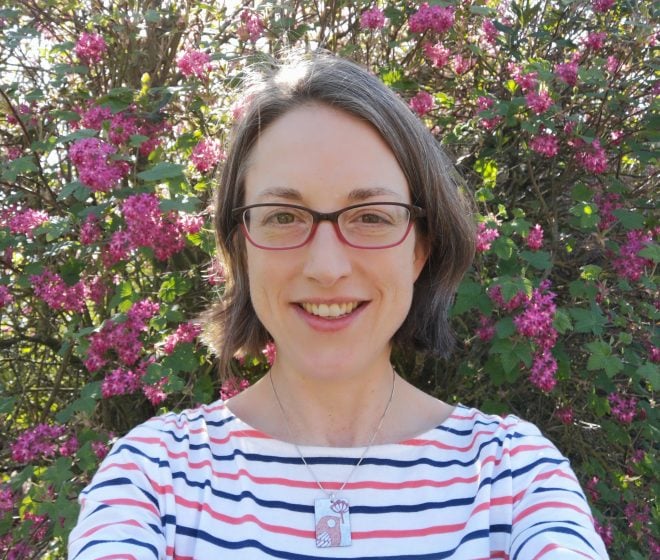
| | | | | | Max Eckert -
Hub Wyescapes Programme Manager
|
|
|
|
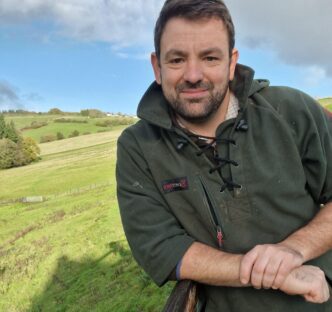
| | | | | | Dan Smith -
Hub Farm Facilitator
|
|
|
|
Disclaimer The Herefordshire Rural Hub accepts no liability for any direct, indirect or consequential loss arising from any action taken in reliance on the information contained. |
|
|
|
Herefordshire Rural Hub,
Agriculture House, Beech Business Park,
Tillington Road, Hereford
HR4 9QJ
Tel: 01432 268428
|
|
| | |
|
|
|